
The transition to a sustainable energy grid depends heavily on our ability to manage atmospheric carbon while simultaneously meeting the ever-growing global demand for reliable power and heat. Biomass chemical looping stands at the forefront of this evolution because it offers a sophisticated method for converting organic matter into energy without the massive efficiency losses typically associated with conventional carbon capture systems. Unlike standard combustion, which mixes fuel with air and results in a diluted stream of nitrogen and carbon dioxide, this process utilizes a solid oxygen carrier to facilitate a more controlled reaction. This metal oxide circulates between two distinct reactors, acting as a chemical bridge that delivers the necessary oxygen to the biomass without introducing the atmospheric nitrogen that complicates post-combustion cleanup. By isolating these reactions, the technology produces a nearly pure stream of carbon dioxide that is ready for immediate sequestration or industrial utilization.
Technical Foundation: The Dual Reactor Cycle
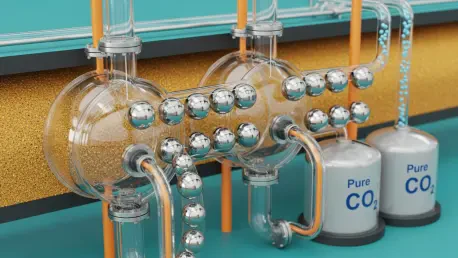
The operational heart of biomass chemical looping resides in the continuous circulation of a solid oxygen carrier between the fuel reactor and the air reactor to maintain a steady thermal output. In the fuel reactor, the biomass undergoes devolatilization and gasification, reacting with the metal oxide to produce syngas or direct heat while reducing the metal to a lower oxidation state. This specific phase is critical because it ensures that the resulting flue gas consists primarily of steam and carbon dioxide, which can be easily separated through simple condensation rather than expensive chemical scrubbing. The reduced metal then travels to the air reactor, where it encounters a stream of fresh air that restores its oxygen content through an exothermic reaction that generates additional heat for power production. This closed-loop system minimizes the energy penalty that usually plagues carbon capture, making it a highly attractive option for large-scale utility operations.
Selecting the appropriate oxygen carrier is a sophisticated engineering challenge that determines the overall longevity and cost-effectiveness of the entire chemical looping facility. Common materials such as iron, manganese, and nickel oxides are favored for their high reactivity and thermal stability, yet each brings unique trade-offs regarding mechanical strength and susceptibility to attrition. Recent advancements in material science have led to the development of synthetic carriers and modified ores that can withstand thousands of cycles without significant degradation or loss of oxygen-carrying capacity. These innovations are essential because they prevent the buildup of fine particles that could clog the reactors or reduce the efficiency of the heat exchange process over time. Furthermore, the ability of these carriers to resist poisoning from biomass contaminants, such as sulfur or alkali metals, ensures that a wide variety of agricultural wastes can be used as feedstock.
Industrial Evolution: Scalability and Environmental Integration
The primary advantage of biomass chemical looping is its inherent suitability for bioenergy with carbon capture and storage, a process that actually removes carbon dioxide from the atmosphere. Since plants absorb carbon as they grow, capturing the emissions generated during their conversion into energy results in a net-negative carbon footprint that is essential for reaching global climate targets. This technology eliminates the need for energy-intensive gas separation units, such as amine scrubbing or cryogenic distillation, which can consume up to thirty percent of a plant’s total power output. By bypassing these costly steps, biomass chemical looping provides a more economically viable path toward large-scale carbon removal than almost any other current thermal conversion method. This efficiency is particularly relevant for heavy industries that require high-temperature heat, as the looping process can provide steady thermal energy while simultaneously acting as a carbon sink.
Strategic investment in regional carbon transport networks ensured that the initial pilot plants successfully scaled into full industrial hubs from 2026 to 2028. Governments and private entities collaborated to standardize the lifecycle analysis of biomass feedstocks, which helped clarify the true carbon-negative potential of these facilities. This coordination allowed engineers to optimize the integration of chemical looping with hydrogen production, providing a versatile energy carrier for heavy shipping and steel manufacturing. Subsequent efforts focused on the development of modular reactor designs that could be deployed near agricultural centers, reducing the environmental impact of transporting bulky biomass over long distances. By prioritizing the recycling of spent oxygen carriers and utilizing localized waste streams, the industry established a circular model that maximized resource efficiency. These actions solidified biomass chemical looping as a pillar of the decarbonized energy landscape.