
The global demand for electricity to power artificial intelligence has transformed the energy sector from a slow-moving utility landscape into a high-stakes arena where tech giants are the primary architects of the power grid. As companies like Amazon and Microsoft accelerate their digital infrastructure builds, the sheer volume of clean energy procurement has reached unprecedented heights, signaling a fundamental shift in how the nation generates and consumes power. This momentum is driven by the realization that the digital economy cannot thrive without a robust, carbon-free energy backbone. Organizations are no longer simply looking to offset their carbon footprints; they are actively investing in the physical hardware of the grid to ensure their server farms remain operational around the clock. This massive capital influx is accelerating the deployment of renewable technologies, forcing a reimagining of the traditional utility model while setting the stage for a new standard of industrial energy consumption across the globe.
The Rise of the Hyperscalers
Data Centers: The Engines of the AI Arms Race
The competition among hyperscalers—specifically Amazon, Alphabet, Meta, and Microsoft—has created an insatiable appetite for electricity that the market has never seen before. These firms are locked in a relentless race to build out the computational power required for advanced artificial intelligence, which in turn demands a constant, high-volume supply of energy. Because AI training and inference models are significantly more energy-intensive than traditional cloud storage, the physical footprint of data centers is expanding at a breakneck pace. This expansion is not merely about square footage but about power density; each new facility requires gigawatts of capacity to keep GPUs humming. For these technology leaders, securing energy is no longer a peripheral task managed by facilities departments but a core strategic priority discussed at the highest levels of corporate leadership. The stability of their entire business model now rests on their ability to lock in long-term power purchase agreements that guarantee a steady flow of electricity regardless of market fluctuations.
Reliable Baseload: The Shift to Clean Firm Energy
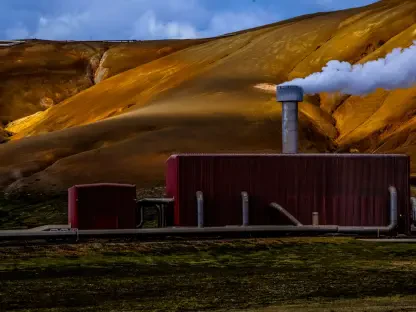
To support these relentless AI workloads, the nature of corporate energy procurement is undergoing a profound evolution from intermittent solar and wind projects to what industry experts call clean firm energy sources. While early sustainability efforts focused on adding variable renewable energy to the grid, the current requirement for 24/7 reliability has led these tech giants to explore more consistent power generators like advanced nuclear reactors and geothermal systems. For example, some companies are pursuing deals with nuclear facilities to provide a steady baseload of carbon-free electricity that does not depend on weather conditions. This shift toward high-capacity, constant-output sources demonstrates a growing sophistication in energy planning. By investing in next-generation nuclear technology and small modular reactors, hyperscalers are not just buying power; they are funding the development of technologies that could eventually stabilize the entire national grid. This transition marks the end of an era where renewable energy was viewed as an occasional supplement rather than a primary, constant source of power.
Regional Success and Regulatory Innovation
Market Leadership: Texas as a Global Energy Hub
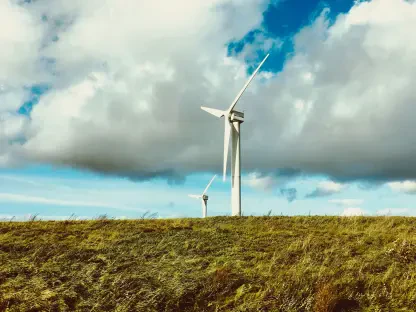
Texas has firmly established itself as the epicenter of this corporate energy surge, outperforming other states due to its unique, deregulated market and abundant natural resources. The state’s independent grid, managed by ERCOT, offers a level of flexibility and speed that is often unmatched in more traditional utility territories, allowing companies to bring massive clean energy projects online in record time. This favorable environment has led Texas to capture nearly half of all corporate renewable energy deals within the country, as tech firms capitalize on the state’s vast wind and solar potential combined with a business-friendly regulatory framework. The success seen in Texas serves as a blueprint for how market competition and robust transmission infrastructure can align to attract billions in technological investment. It proves that when regulatory barriers are lowered, the private sector is more than willing to foot the bill for large-scale energy infrastructure that benefits both the corporate bottom line and the regional economy.
Regulatory Innovation: New Models for Utility Partnerships
Beyond the dominance of Texas, innovative collaborative models are emerging in other regions, most notably in Georgia and along the West Coast, where utilities and large consumers are rethinking their relationships. Initiatives such as the Customer Identified Resource Program allow major tech companies to work directly with utility providers to specify exactly which clean energy projects they want to see built. This level of direct involvement ensures that the resulting power generation aligns perfectly with corporate sustainability goals while providing the utility with a guaranteed long-term customer. Meanwhile, in the Western United States, there is a growing movement toward creating a unified, multi-state power market designed to better integrate diverse resources like Pacific Northwest hydropower and Southwest solar energy. By connecting these disparate resources into a more cohesive regional system, states are finding they can manage the high demands of the AI industry more efficiently. These regulatory innovations are essential for creating a grid that handles massive new loads.
Addressing the Obstacles to Growth
Permitting Reform: Overcoming Infrastructure Bottlenecks
Despite the massive capital being deployed, the transition toward a fully carbon-free grid faces significant systemic challenges that threaten to slow the pace of progress. One of the most persistent bottlenecks is the outdated permitting process, which can delay multi-billion-dollar transmission projects for several years or even a decade. This administrative friction often prevents clean energy from reaching the data centers where it is most needed, creating a disconnect between generation capacity and demand. To address these delays, legislative efforts like the SPEED Act have been introduced to streamline the federal approval process and reduce the bureaucratic hurdles that often stall critical infrastructure. By modernizing the way projects are reviewed and approved, lawmakers hope to ensure that the physical expansion of the grid can keep pace with the rapid technological advancements in the AI sector. Without these reforms, the ambitious energy goals set by both the government and the private sector could remain entirely out of reach.
Financial Headwinds: Managing Costs in a Volatile Market
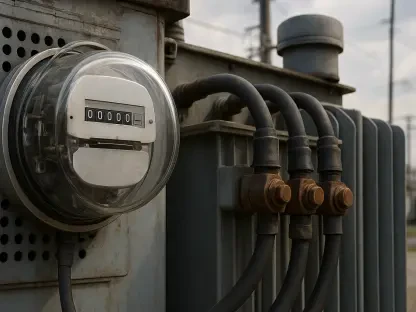
Economic volatility has further complicated the energy landscape, as the cost of developing new infrastructure has risen significantly after years of steady decline. Persistent inflation and high interest rates have increased the price of capital, making it more expensive for developers to finance the massive solar, wind, and nuclear projects that the tech industry requires. Furthermore, supply chain disruptions continue to impact the availability of critical components such as transformers and specialized semiconductors, leading to project delays and higher overall costs. These financial pressures require a more strategic approach to project management, where corporations must work more closely with federal regulators to find ways to mitigate costs. Maintaining affordability while transitioning the grid is a delicate balancing act that requires transparent cooperation between the public and private sectors. As developers navigate these economic headwinds, the emphasis is shifting toward creating more resilient supply chains and exploring innovative financing models.
Economic Responsibility and Long-Term Viability
Social Responsibility: Protecting the Modern Ratepayer
A central concern for policymakers and the public is whether the massive energy consumption of technology giants will lead to higher electricity rates for residential customers and small businesses. To address this, many leading hyperscalers are entering into ratepayer protection pledges, which are designed to ensure that the costs of building new infrastructure are borne by the companies themselves rather than the general public. In many cases, these large-scale investments can actually benefit the average homeowner by bringing a massive amount of new, predictable demand into the system, which allows utilities to distribute their fixed costs across a much larger base of usage. When managed effectively, the arrival of a major data center can lead to a more efficient use of the existing grid, potentially lowering the per-unit cost of electricity for everyone in the service area. This symbiotic relationship between big tech and the public utility system is critical for maintaining social license to operate within various communities.
Strategic Integration: Beyond Traditional Sustainability
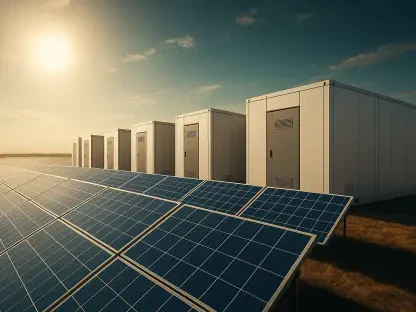
While the political climate surrounding environmental initiatives became increasingly complex, the actual procurement data from the technology sector indicated that the commitment to clean energy was deeper than mere public relations. For these organizations, the transition to carbon-free power was a core business necessity driven by the need for long-term energy security and operational stability. The volatility of fossil fuel prices made a predictable, renewable energy portfolio far more attractive for companies with multi-decade investment horizons. As the integration of AI into every facet of the global economy continued, the reliance on reliable, high-capacity, and sustainable power became a permanent fixture of corporate strategy. The next logical step involved integrating advanced energy storage solutions and demand-response programs that allowed data centers to act as flexible loads on the grid. This evolution saw companies moving beyond simple procurement and into the role of active energy partners, providing stability for the system.