
The structural integrity of Scotland’s renewable energy future has taken a monumental step forward as the Inch Cape Offshore Wind Farm successfully completed the fabrication and initial load-out of its first batch of extra-large monopile foundations. Located in the North Sea off the coast of Angus, this ambitious joint venture between Red Rock Power and ESB represents a critical pillar in the region’s transition toward a decarbonized power grid. These massive steel structures serve as the backbone for the next generation of offshore wind technology, specifically designed to support the heavy Vestas V236-15.0 MW turbines that will soon harvest the region’s powerful maritime winds. The successful manufacturing of these units at the specialized facility in Dalian marks the transition from theoretical planning to physical reality, signaling that the project remains on schedule despite the complexities of global logistics. This milestone reinforces the viability of large-scale offshore wind developments in deep-water environments where traditional foundations would be insufficient.
Technical Advancements: XXL Foundation Fabrication
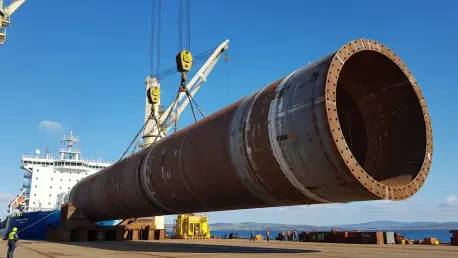
The engineering requirements for these monopiles are staggering, with each unit weighing significantly more than standard offshore foundations to accommodate the immense torque of fifteen-megawatt turbines. Utilizing advanced metallurgical techniques and high-precision welding, the fabrication process at the Dalian Fashion Heavy Industry facility ensured that each structure could withstand the corrosive and turbulent environment of the North Sea for decades. These XXL monopiles feature diameters exceeding ten meters, requiring specialized rolling equipment and robotic assembly lines to maintain the strict tolerances necessary for structural longevity. The integration of secondary steel components, such as internal platforms and ladder systems, was completed concurrently to streamline the offshore installation phase. By prioritizing high-grade steel and rigorous non-destructive testing, the project team addressed potential fatigue issues before the units left the yard, ensuring long-term operational reliability.
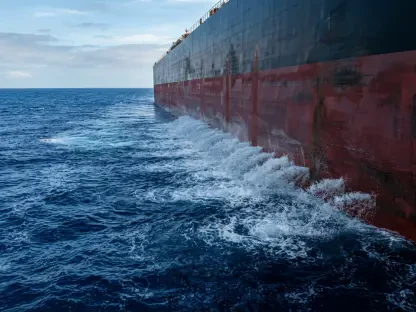
Moving these gargantuan structures across the globe necessitated a sophisticated logistical strategy that leveraged heavy-lift vessels specifically outfitted for long-haul maritime transport. Each voyage required meticulous planning to balance the weight distribution and secure the monopiles against the dynamic forces encountered during transit through varied sea states. Upon arrival at the marshalling harbor, the foundations underwent a final inspection to confirm that no damage occurred during the thousands of miles traveled from the fabrication site. This logistics chain demonstrates the maturity of the global offshore wind supply chain, where components are sourced internationally but integrated locally to meet specific regional energy needs. The coordination between Chinese manufacturing prowess and European installation expertise highlights the collaborative nature of modern energy infrastructure. This phase established a blueprint for future deep-water projects that must bridge the gap between high-capacity manufacturing hubs and remote offshore sites.
Infrastructure Readiness: Regional Economic Impact
As the project progresses from 2026 into the peak installation phase, the Port of Dundee has transformed into a high-activity hub for the assembly and staging of essential wind farm components. The facility’s reinforced quayside and heavy-lift capabilities are essential for managing the massive loads associated with the monopiles and the accompanying transition pieces. Local labor forces have been mobilized to provide specialized services ranging from welding and electrical testing to harbor logistics and marine coordination. This concentration of activity has spurred significant investment in the local supply chain, fostering a specialized ecosystem of service providers capable of supporting large-scale renewable energy assets. The proximity of the port to the project site minimizes the transit time for installation vessels, thereby reducing the carbon footprint associated with construction activities. This strategic alignment between port infrastructure and offshore site location ensures that the project can maintain a high pace of installation during favorable weather windows.
Beyond the immediate physical construction, the Inch Cape project serves as a catalyst for grid modernization efforts across the eastern coast of Scotland and beyond. The onshore transmission infrastructure, centered around the former coal-fired power station site at Cockenzie, is being prepared to receive the massive influx of clean energy generated by the offshore turbines. This repurposing of legacy industrial sites for renewable energy use symbolizes the broader shift in the national energy strategy. The project’s ability to deliver consistent power to nearly one million homes depends on the seamless integration of the offshore foundations with the subsea cabling and the onshore substation. Ongoing coordination with grid operators ensures that the necessary capacity is available to handle the peak output of the wind farm as it nears full operational status. The socioeconomic benefits extend into long-term operations and maintenance roles, creating a sustainable career path for technicians and engineers specializing in the renewable sector for years to come.
Strategic Evolution: Offshore Wind Infrastructure
The successful completion of the monopile fabrication phase provided invaluable lessons regarding the necessity of early-stage supply chain engagement and rigorous quality assurance protocols. Developers observed that securing manufacturing slots well in advance was crucial for mitigating the risks associated with the global surge in demand for XXL steel components. The project successfully navigated the challenges of international logistics by implementing a multi-modal transport strategy that minimized delays at congested shipping lanes. Furthermore, the standardization of foundation designs allowed for more predictable fabrication timelines and reduced the likelihood of bespoke engineering errors. This proactive approach to project management ensured that the technical specifications of the foundations were perfectly aligned with the requirements of the high-capacity turbines. The integration of advanced monitoring sensors within the foundations during the manufacturing stage also set a new benchmark for asset management, allowing for real-time data collection once the structures were placed.
Looking toward future developments, the industry should prioritize the expansion of regional manufacturing hubs to complement international supply chains and reduce overall project lead times. Investing in automated fabrication technologies and specialized steel alloys will be essential for supporting even larger turbine platforms in deeper waters. Developers must also focus on enhancing port infrastructure to accommodate the next generation of installation vessels, which will require deeper drafts and greater crane capacities. Strengthening the local workforce through targeted apprenticeship programs and technical certifications will ensure that the economic benefits of the energy transition are retained within the host regions. The focus should now shift toward the optimization of installation techniques, such as the use of vibro-piling to reduce underwater noise and minimize the impact on marine ecosystems. By adopting these integrated strategies, the offshore wind sector can continue to drive down costs while accelerating the deployment of the clean energy infrastructure required for long-term energy security.