
Navigating the Complexities of America’s Nuclear Milestone
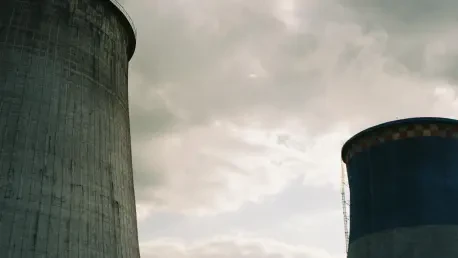
The sheer scale of the massive cooling towers rising above the Georgia landscape serves as a constant reminder that the American energy sector has finally broken its three-decade-long drought in nuclear construction. The completion of Plant Vogtle’s Units 3 and 4 represents a definitive moment in the national energy narrative, marking the first newly constructed reactors to join the grid in over thirty years. While federal officials and industry proponents hail the project as a monumental victory for carbon-free energy, the perspective from the ground remains deeply conflicted. This analysis explores the tension between technological achievement and the staggering financial costs that followed. By examining the project through the lenses of economic efficiency, regulatory transparency, and political accountability, the goal is to determine whether Vogtle serves as a blueprint for a nuclear renaissance or a warning of the risks inherent in massive utility infrastructure.
The Long Road to Completion: A Historical Context of Units 3 and 4
To understand the weight of the Vogtle expansion, one must look back at the decades of stagnation within the American nuclear industry. Following a shift toward natural gas and heightened safety concerns in previous decades, the construction of new large-scale reactors essentially evaporated. Plant Vogtle was intended to be the catalyst for a comeback, utilizing the new Westinghouse AP1000 reactor design, which promised enhanced safety and modular construction benefits. However, the project quickly became a symbol of the challenges facing the megaproject model. These historical factors set the stage for a high-stakes experiment to see if the United States could still build complex nuclear plants effectively. The resulting delays and cost escalations have redefined the industry’s understanding of baseload power and the viability of traditional energy models in a rapidly evolving market.
Evaluating the Economic Impact and Efficiency Gap
The Fiscal Burden on Georgia’s Ratepayers
The most immediate and tangible outcome of the expansion is its $36 billion price tag—a figure that nearly tripled its original estimate. For the residents of Georgia, this is not merely a corporate accounting issue; it has translated into a 25% utility rate hike that directly impacts household budgets. While the reactors provide a massive, steady flow of carbon-free electricity, the prudency of these costs remains a point of intense contention. Industry insiders often point to the complexity of the build as a justification for the expense, but critics argue that the financial weight has been shifted onto consumers who had no say in the management of the project.
Nuclear vs. Renewables: A Comparative Analysis of Investment
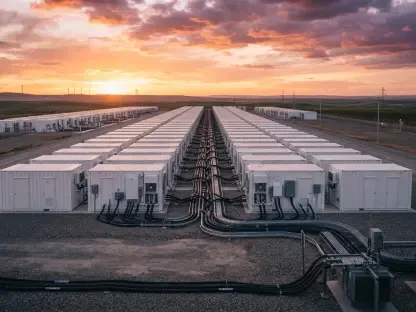
When evaluating the success of the plant, it is essential to look at the opportunity cost of the $36 billion investment. A stark comparison can be drawn with other regions, such as Texas, which deployed approximately 30 gigawatts of solar power and 6 gigawatts of battery storage for a similar investment over a much shorter duration. In contrast, the 15-year nuclear project yielded only 2 gigawatts of generation. This disparity highlights a trend where nuclear provides reliable, constant power but struggles to compete with the speed and decreasing costs of renewable energy and storage technologies. This suggests that the traditional model of massive capital expenditure may be losing its competitive edge in a grid that increasingly values flexibility and rapid deployment.
Regulatory Oversight and the Transparency Deficit
A deeper look at the project reveals significant gaps in regulatory oversight that have fueled public distrust. In Georgia, the absence of a dedicated consumer utility advocate meant there was little formal resistance to the project’s spiraling costs during the construction phase. Furthermore, the Georgia Public Service Commission opted to bypass a final, comprehensive prudency review—a process that would have forced a transparent accounting of why the budget failed so spectacularly. Instead, a settlement allowed the utility to pass overruns to the public without a full public record. This lack of transparency has allowed proponents to claim a learning curve exists for future projects, yet without documented evidence, many experts view this claim as more of a corporate narrative than a proven reality.
The Changing Political Landscape and Future Industry Shifts
The fallout from Plant Vogtle has transcended the energy sector to become a potent political force. Historically, utility regulation was a low-profile arena, but the perceived failure to protect consumers has led to a historic shift in voter priorities. For the first time in two decades, political dynamics on the Public Service Commission have shifted as the electorate uses the ballot box to demand accountability for rising utility bills. Looking forward, this trend suggests that energy policy is no longer a niche technical issue but a central political concern. As the nation explores Small Modular Reactors and seeks to meet the power demands of new data centers, the Vogtle effect will likely lead to stricter regulatory environments and a greater emphasis on protecting ratepayers from financial risks.
Strategic Lessons for the Modern Energy Grid
The analysis of this infrastructure project offers several vital takeaways for policymakers and energy professionals. First, it reinforces the need for robust, independent consumer advocacy within the regulatory process to ensure that the risks of infrastructure projects are shared equitably between utilities and the public. Second, the comparison with renewable deployment suggests that a diversified energy portfolio—one that prioritizes rapid deployment—is often more economically resilient than a single-minded focus on massive baseload plants. For states or nations considering new nuclear builds, the recommendation is to demand transparency, enforce strict prudency milestones, and remain wary of promised efficiency gains that lack empirical support. Applying these lessons can help prevent future energy projects from becoming financial sinkholes.
Assessing the Legacy of Plant Vogtle
In the final assessment, Plant Vogtle emerged as a complex hybrid of engineering success and financial failure. It was determined that while the facility provided dependable, carbon-free power, it simultaneously served as a cautionary tale regarding oversight and transparency. The significance of the project lay in its role as a mirror, reflecting tensions between technological progress and economic justice for consumers. As the energy sector moved toward a decarbonized future, the legacy of Vogtle served as a reminder that clean energy must be affordable and transparent to maintain public trust. Decision-makers recognized that the path to a resilient grid required balancing long-term reliability with the immediate financial stability of the communities served. These findings established that the true value of any energy milestone was measured not just in megawatts, but in the integrity of the process used to achieve them.