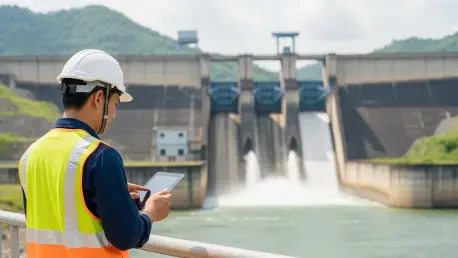

The devastating memory of the 2020 Sanford and Edenville dam failures still resonates across Michigan, serving as a grim reminder of how infrastructure neglect can destroy lives and landscapes in an instant. As heavy rainfall patterns become increasingly unpredictable in the Great Lakes region, the Michigan House Natural Resources and Tourism Committee is actively moving to overhaul the state’s outdated dam safety regulations. The introduction of House Bill 5485, sponsored by Representative Bill Schuette, represents a pivotal shift from a reactive management style to a proactive regulatory framework designed to catch structural flaws before they become catastrophes. For many residents, the 2020 disasters were not merely accidents but preventable tragedies caused by systemic oversight gaps and ignored maintenance requirements. By prioritizing long-term structural integrity over short-term financial savings, this legislation seeks to ensure that the state never again experiences such a massive failure of public safety.
Strengthening Accountability and Licensing Frameworks
A cornerstone of the proposed legislation involves a complete transformation of how Michigan licenses and monitors its thousands of dam structures. House Bill 5485 incorporates rigorous expert recommendations from the Michigan Dam Safety Task Force and the Association of State Dam Safety Officials to create a more disciplined oversight environment. Under the new rules, dam owners would be required to obtain a state license every 15 years, a move designed to ensure that older structures are regularly evaluated against modern engineering standards rather than grandfathered into obsolescence. This licensing process would mandate more frequent inspections by qualified engineers and establish strict financial responsibility requirements for owners. The goal is to ensure that those who own these powerful structures have the liquidity and the intent to maintain them. By modernizing design standards and ensuring that emergency action plans are updated every year, the state aims to build a culture of constant readiness.
Furthermore, the bill addresses the long-standing communication gaps that have historically plagued the relationship between state and federal regulators. By streamlining the coordination between the Michigan Department of Environment, Great Lakes and Energy (EGLE) and the Federal Energy Regulatory Commission (FERC), the legislation ensures that no dam falls through the cracks of jurisdictional ambiguity. This is particularly critical for high-hazard dams where a failure would almost certainly result in the loss of life or significant property damage. Lawmakers are pushing for a unified reporting system that provides real-time data on structural health and water levels to all relevant authorities. This level of transparency is intended to prevent the kind of information silos that allowed the 2020 disasters to unfold. Strengthening these bureaucratic bridges ensures that regulatory eyes are always on the most vulnerable points of the state’s water infrastructure, providing a much-needed layer of safety for downstream communities.
Assessing the Economic Impact of Preventative Maintenance
The financial reality of maintaining Michigan’s aging infrastructure presents a daunting challenge that lawmakers are finally beginning to address with concrete data. EGLE estimates that approximately $1 billion is required to bring the state’s dams up to safe operational standards, a figure that reflects decades of deferred maintenance and underinvestment. During recent testimony, expert witness Luke Trumble, the dam safety program supervisor for EGLE, emphasized that while the cost of repairs is significant, it is a fraction of the cost associated with a total structural failure. Trumble noted that rebuilding a dam and restoring the surrounding ecosystem after a catastrophic event can cost ten times more than the proactive maintenance required to prevent the collapse. This economic logic is a driving force behind the bill, as it encourages owners to view maintenance not as a burdensome expense, but as a critical investment in the preservation of their assets and the surrounding local economies.
Representative Schuette has been vocal about the necessity of financial accountability, asserting that entities unable to afford the upkeep of high-hazard dams should not be permitted to operate them. This hardline stance is reflected in the bill’s provisions for the state to issue emergency orders and intervene directly when a dam poses an imminent risk to the public. To support this, the legislation proposes the creation of a Dam Safety Emergency Fund, although specific appropriations are slated for discussion in upcoming legislative sessions spanning from 2026 to 2028. This fund would allow the state to take immediate action on failing structures without waiting for owner compliance, effectively prioritizing public safety over administrative delays. By establishing a clear financial framework for emergency repairs, the state can act as a final safety net for communities at risk. The legislation essentially demands that the true cost of dam ownership be recognized and addressed before a crisis occurs.
Future Safeguards and Infrastructure Resilience
The legislative session concluded with a broad consensus on the necessity of modernizing dam laws to provide residents with peace of mind against the fallout of faulty infrastructure. In addition to the specific focus on dam safety, the committee moved forward with a package of bills designed to align state wetland regulations with federal standards, acknowledging the interconnected nature of water management. Lawmakers recognized that the structural integrity of dams is inextricably linked to the health of surrounding ecosystems and the state’s ability to manage increasingly severe weather events. By integrating these regulatory updates, the committee demonstrated a commitment to a holistic approach to environmental safety and infrastructure resilience. The discussion on HB 5485 underscored a growing urgency to address the state’s aging assets, particularly as the climate continues to shift and exert more pressure on existing systems throughout the mid-2020s.
Ultimately, the committee established a clear path toward a more resilient Michigan by focusing on actionable next steps for dam safety and emergency preparedness. To ensure the success of these reforms, the state must now secure the necessary funding through the 2026 and 2027 fiscal cycles to activate the Dam Safety Emergency Fund. Local municipalities were encouraged to begin reviewing their zoning laws and emergency response protocols to better align with the new state standards. Future considerations included the potential for incentivizing the removal of obsolete dams that no longer serve a functional purpose but continue to pose a liability to the public. By transitioning from a culture of crisis management to one of strategic prevention, Michigan lawmakers set a precedent for infrastructure policy that prioritized long-term stability. The final steps involved finalizing the licensing fee structures and ensuring that EGLE has the personnel required to enforce these more rigorous safety standards effectively.