
The power grid of the American West, once a burgeoning frontier for renewable energy expansion, is now facing a dramatic and unexpected recalibration as PacifiCorp resets its fundamental approach to energy generation. This shift represents a massive departure for the parent company of Rocky Mountain Power, which serves customers across six Western states and has historically been a leader in the transition toward a lower-carbon future. The utility’s latest integrated resource plan serves as a definitive turning point, effectively freezing all new investments in wind and solar assets from 2027 through 2045. Such a move signals more than just a local policy change; it highlights a broader industry-wide reevaluation of the economic and regulatory conditions that have driven the energy transition for the past decade. By choosing to prioritize existing infrastructure over the expansion of green energy, PacifiCorp is positioning itself to navigate a landscape where federal support for renewables is no longer a certainty.
The Financial Drivers of the Strategic Pivot
Federal Policy: The Removal of Tax Incentives
The primary catalyst for this massive strategic retreat is a fundamental shift in federal fiscal policy that has significantly altered the financial landscape for utility-scale energy projects. PacifiCorp explicitly points to the projected repeal of major components of the Inflation Reduction Act as the deciding factor in its new direction. Known colloquially as the “One Big, Beautiful Bill Act” slated for July 2025, this legislation is expected to dismantle the federal tax credits that have been the bedrock of renewable energy economics. For years, these credits have effectively reduced the capital costs of installing new wind and solar farms by roughly 30%, making them the most attractive option for utilities seeking to expand capacity. Without these subsidies, the internal rate of return for green energy projects drops below the threshold of economic viability, prompting the utility to halt its previously aggressive pursuit of a diversified and decarbonized energy portfolio.
Beyond the immediate loss of subsidies, the utility’s planners are reacting to a new phase-out schedule that creates a narrow window for project qualification. Under the current projections, any large-scale renewable installation that does not reach a significant construction milestone within the next twelve months will likely fail to secure the impactful financial benefits of the previous decade. This creates a high-risk environment where the cost of new wind and solar generation is expected to rise sharply in comparison to traditional energy sources. PacifiCorp argues that as a regulated utility, its primary obligation is to maintain a low-cost, reliable service, and the current economic data suggests that solar and wind can no longer compete on a level playing field without federal backing. Consequently, the company has determined that the most prudent financial path forward involves a complete moratorium on new renewable procurement to protect its balance sheet from volatility.
Economic Duality: Coal and Ratepayer Costs
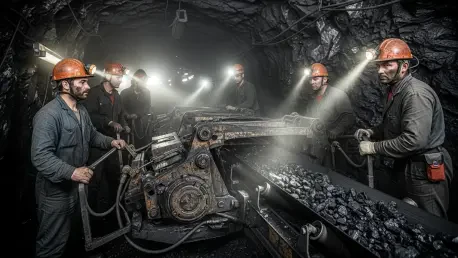
This strategic pivot also marks a significant revival for coal-fired power generation, which was previously on a steady path toward retirement across the Rocky Mountain region. In Wyoming, where PacifiCorp maintains a substantial portion of its generating fleet, the utility has moved to delay the decommissioning of several older coal units that were originally slated for closure by the end of this decade. This change in direction is bolstered by a simultaneous rollback of federal fossil fuel regulations, which has reduced the compliance costs associated with operating aging coal plants. While environmental targets were once a driving force in corporate planning, the utility is now prioritizing the perceived stability and dispatchability of coal. This shift reflects a belief that maintaining existing baseload assets is a more cost-effective strategy than investing in new, unsubsidized intermittent resources that would require expensive battery storage.
The economic narrative presented by the utility is complex, particularly when contrasted with historical data regarding ratepayer impacts. In the recent past, specifically throughout 2023 and 2024, renewable assets were credited with saving Wyoming customers over $85 million in net power costs by providing a hedge against volatile natural gas prices. However, the utility now faces a different reality as recent rate hikes of approximately 20% have placed significant pressure on consumers and regulators alike. The current leadership suggests that the capital-intensive nature of building new green infrastructure, coupled with the loss of federal offsets, would lead to even more drastic price increases for residents and businesses. By extending the life of coal plants and halting new wind projects, the utility seeks to stabilize its rate base, even if this means a temporary increase in greenhouse gas emissions and a departure from its previous long-term sustainability goals.
Market Consequences and the Regional Outlook
Stakeholder Concerns: Industry Uncertainty
The announcement of a 20-year freeze on new renewable energy development has sent shockwaves through the regional market, creating a climate of deep uncertainty for independent developers. Environmental advocacy groups, such as the Sierra Club, have characterized the move as a major setback for the West’s energy independence and economic modernization. They argue that while the integrated resource plan is not a binding contract, it serves as the most important “market signal” for third-party companies that build and operate wind farms. Because PacifiCorp is the dominant buyer in states like Wyoming and Idaho, its refusal to issue new “Requests for Proposals” effectively closes the market for many developers. This could lead to a significant “brain drain” as specialized labor and capital move to other regions where the policy environment remains more favorable to renewable growth, potentially hollowing out a nascent local industry.
Analysts further worry that the long-term cost of this delay will eventually be borne by the very ratepayers the utility claims to be protecting. By stalling the energy transition now, PacifiCorp may be forced into a much more expensive, rushed procurement phase in the future when carbon regulations inevitably tighten or when coal plants eventually reach their literal physical limits. Critics like Emma Jones from the Sierra Club emphasize that renewable technology continues to advance in efficiency even as the cost of maintaining old coal plants rises with age. Delaying infrastructure modernization could result in a massive technology gap, where the utility is left with an obsolete grid that requires emergency spending to update. This perspective suggests that the current focus on short-term savings ignores the reality of long-term infrastructure lifecycles, leading to a potential situation where Wyoming and its neighbors fall behind the rest of the country.
Future of Wyoming’s Grid: A Fragmented Outlook
Despite the overarching freeze on new long-term commitments, some momentum remains in the immediate pipeline due to projects that were already legally or operationally advanced. PacifiCorp is still moving forward with approximately 1,200 megawatts of solar in Utah and several wind projects in Idaho and Wyoming that were initiated under the previous regulatory regime. These projects represent the final remnants of an era defined by rapid decarbonization and will likely be the last major renewable additions to the grid for nearly two decades. Once these facilities are completed, the utility’s energy mix is expected to enter a state of stasis, where the majority of power will continue to be sourced from the existing coal and gas fleet. This creates a two-tier energy landscape where older projects benefit from legacy subsidies while new innovation is effectively sidelined until the mid-2040s.
The broader future of the energy grid in the American West may become increasingly fragmented as a result of this utility-level pivot. While PacifiCorp is stepping back, other market participants—such as large-scale data center operators and local electrical cooperatives—may take a more active role in developing their own renewable resources to meet corporate sustainability mandates. This could lead to a decentralized system where private industrial interests build the green infrastructure that the central utility is currently avoiding. However, such a shift poses challenges for grid management and regulatory oversight, as the primary utility will still be responsible for the transmission and distribution of power. This emerging duality illustrates the profound impact of federal policy on corporate strategy, showing that without a consistent bridge of financial incentives, the traditional utility model is prone to retreating into the perceived safety of legacy assets.
Strategic Pathways: Future Stability in Energy Planning
The strategic recalibration by PacifiCorp demonstrated how sensitive the energy industry remains to changes in federal tax policy and legislative shifts. By prioritizing immediate cost management over long-term environmental targets, the utility established a precedent that favored the longevity of fossil fuel assets in the face of economic uncertainty. This approach reflected a pragmatic response to the loss of significant capital offsets, but it also underscored the volatility inherent in a system where energy planning is deeply tied to political cycles. Moving forward, the industry must grapple with the reality that a transition to a cleaner grid cannot be sustained by market forces alone if the underlying financial support structures are removed. The decision to maintain coal assets while halting new wind and solar growth highlighted a fundamental tension between the desire for rapid modernization and the necessity of maintaining reliable, low-cost baseload power for a growing population.
Future considerations for regional energy planners should involve the development of more resilient financial models that do not rely solely on federal tax credits. Diversifying investment strategies and exploring public-private partnerships could provide a more stable foundation for infrastructure development, regardless of shifts in the national political landscape. Furthermore, the industry would benefit from a more nuanced approach to baseload stability that integrates modular nuclear energy or advanced battery storage alongside existing coal and gas plants. While the utility’s recent choices were driven by the immediate need to manage ratepayer costs and investment risks, the long-term viability of the grid will depend on its ability to adapt to technological advancements. Ensuring that market signals remain clear for independent developers and investing in grid modernization today will prevent a costly infrastructure crisis tomorrow, regardless of the fuel source being utilized.