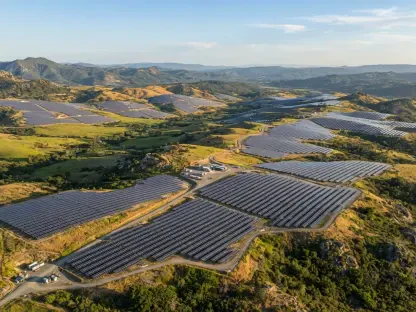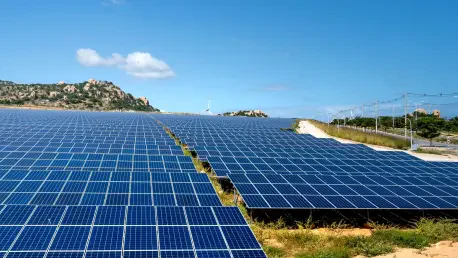

The province of Pangasinan has recently emerged as a primary hub for renewable energy adoption as households grapple with some of the highest residential electricity rates in Southeast Asia. While traditional grid reliance previously dictated the monthly budgets of thousands of families, a noticeable shift toward photovoltaic systems is redefining the local economic landscape. This transition is not merely a response to environmental concerns but a calculated financial move driven by the decreasing cost of high-efficiency silicon panels and more accessible financing options from local banks. Residents in Dagupan, Urdaneta, and San Carlos are leading this charge, installing rooftop arrays that capture the intense tropical sunlight characteristic of the region. As these systems become more prevalent, the historical pattern of seasonal power outages and fluctuating energy prices is being replaced by a more stable and predictable energy consumption model. The adoption rate has accelerated significantly as neighboring households observe the reduction in monthly utility statements, proving that sustainable technology is no longer a luxury reserved for the wealthy.
Economic Incentives: Net Metering Growth
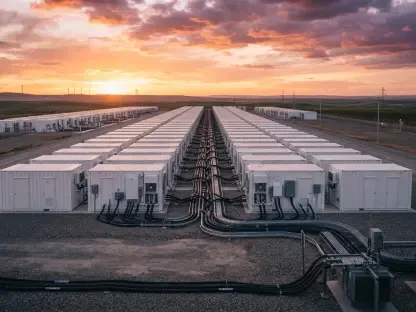
The economic viability of residential solar power in the province is largely anchored in the successful implementation of the Net Metering program provided by local electric cooperatives. Under this arrangement, homeowners sell excess electricity generated during peak sunlight hours back to the grid, effectively running their meters backward and accruing credits that offset nighttime consumption. This mechanism has transformed a typical residential rooftop into a localized power plant, allowing families to recoup their initial capital investment within a few years. The integration of smart inverters and lithium-iron-phosphate battery storage solutions has allowed users to maintain power during grid instabilities common during the monsoon season. Technological advancements available from 2026 to 2028 are expected to drive down hardware costs while increasing the conversion efficiency of bifacial panels. Local installers have noted a surge in inquiries as the return on investment becomes transparent compared to the rising costs of traditional coal-fired power generation. This shift represents a fundamental change in how citizens perceive energy as a commodity.
Strategic Implementation: The Path to Independence
Transitioning to a solar-reliant household required careful planning and professional site assessments to ensure maximum yield and long-term structural integrity. Residents found that conducting a comprehensive energy audit was the most effective first step toward identifying high-consumption appliances that could be scheduled for daytime use. Once these patterns were established, the installation of properly sized systems minimized waste and maximized the financial benefits of the investment. Community leaders encouraged homeowners to verify the certifications of solar providers and prioritize high-quality components that withstood the local humidity and salt air. Looking ahead, the expansion of microgrid technology and community-shared solar projects offered a blueprint for reaching underserved rural areas. By focusing on maintenance and regular cleaning of panels, homeowners ensured consistent performance throughout the system’s lifespan. These proactive measures successfully converted the initial hurdle of high installation costs into a reliable source of monthly savings and energy independence. The province moved toward a decentralized energy future that prioritized local self-sufficiency and economic stability for its residents.