
The shift toward sustainable mobility in Southern Europe has reached a critical milestone as Spanish energy companies begin deploying renewable gasoline across conventional service stations to demonstrate that decarbonization does not necessitate the immediate disposal of the existing internal combustion fleet. This initiative focuses on the implementation of advanced drop-in fuels that are chemically identical to traditional gasoline but produced from organic waste and captured carbon. By utilizing these renewable alternatives, drivers can significantly reduce their carbon footprint without investing in expensive electric vehicle technology or modifying their current engines. The pilot program, currently expanding across various regions in Spain, serves as a practical testing ground for evaluating the logistics of large-scale distribution and the long-term performance of these fuels. This approach represents a pragmatic transition strategy that addresses the urgent need for emissions reduction while respecting the economic reality of millions of vehicle owners.
Technical Integration: Engineering and Fuel Composition
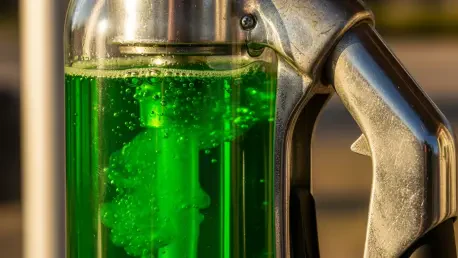
Unlike earlier iterations of biofuels, which often required engine adjustments or limited blending ratios, the 100% renewable gasoline featured in these Spanish trials is engineered to meet existing European fuel standards. This is achieved through sophisticated thermochemical processes that transform agricultural residues, forestry waste, and used cooking oils into high-purity hydrocarbons. The resulting liquid fuel is remarkably stable and possesses an energy density comparable to standard premium gasoline, ensuring that vehicle performance remains consistent across various driving conditions. By focusing on molecular compatibility, researchers have successfully eliminated the risk of engine wear or corrosion that plagued older synthetic fuel types. This breakthrough allows for a seamless transition for consumers, as the fuel can be pumped into any gasoline vehicle manufactured in the last few decades. The chemical precision of these fuels also results in cleaner combustion, reducing not only carbon dioxide emissions but also localized pollutants.
The logistical benefits of this renewable gasoline pilot extend far beyond the laboratory, as the fuel utilizes the entirety of the existing national energy infrastructure. Since the chemical properties of the renewable product mirror those of fossil fuels, it can be transported through the same pipelines, stored in the same underground tanks, and dispensed from the same nozzles as conventional 95-octane or 98-octane gasoline. This compatibility removes the immense capital expenditure typically associated with building out new electric charging networks or hydrogen refueling stations, which can take years to permit and construct. In Spain, where a significant portion of the population resides in high-density urban apartment complexes without dedicated parking or charging facilities, this “drop-in” solution offers a viable path toward sustainability. Furthermore, the ability to leverage existing supply chains ensures that rural areas are not left behind during the green transition by maintaining the current refueling experience.
Strategic Implementation: Environmental Impact and Scaling Potential
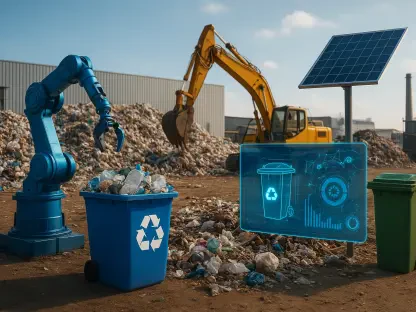
From an environmental perspective, the Spanish pilot highlights the importance of life-cycle assessments in determining the true impact of transportation energy. While electric vehicles eliminate tailpipe emissions, the production of renewable gasoline focuses on a circular economy where carbon that is already in the atmosphere or stored in waste is recycled. By capturing CO2 or using biogenic sources that would otherwise decompose and release greenhouse gases, the net carbon addition to the atmosphere is reduced by up to ninety percent. This approach is particularly effective for decarbonizing the legacy fleet, which consists of millions of cars that will likely remain on the road for the next decade. Scaling this production involves the construction of advanced biorefineries that can handle diverse feedstocks, from municipal solid waste to non-food crops grown on marginal land. As these facilities increase their output from 2026 to 2030, the cost of renewable gasoline is expected to become increasingly competitive with traditional fuels.
The conclusion of the initial testing phase provided several actionable insights that indicated a clear path forward for the integration of renewable fuels into the national energy strategy. Engineers and policymakers observed that the fuel performed exceptionally well under a wide range of thermal conditions, which supported the recommendation to expand production capacities immediately. This progress allowed for the identification of specific waste supply chains that required further optimization to ensure long-term availability and price stability. It was determined that a hybrid approach, combining electrification with high-quality renewable liquid fuels, offered the most resilient solution for achieving total fleet decarbonization. Consequently, the focus shifted toward establishing more robust regulatory frameworks that incentivized the use of non-fossil alternatives at the pump. These findings suggested that the rapid adoption of synthetic gasoline could bridge the gap between current emission levels and future sustainability targets for the industry.