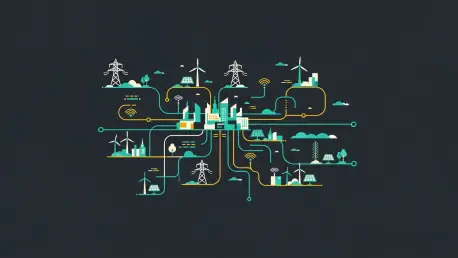

The aging electrical grids that once powered the industrial twentieth century are rapidly being superseded by a dynamic network of interconnected systems designed to facilitate a global transition toward sustainable energy. This fundamental transformation moves away from the rigid, manual architectures of the past toward intelligent, digitized frameworks capable of managing the complexities of a modern society. As the demand for electricity continues to rise alongside the mass adoption of electric vehicles and the integration of volatile renewable sources, the traditional one-way flow of power is being replaced by a bidirectional exchange of data and energy. These smart grids act as a sophisticated “internet of energy,” utilizing advanced computing to create a resilient, self-optimizing ecosystem. This evolution is no longer a luxury but a necessity for national security and economic stability in a world where decentralized power production has become the standard for energy independence.
Economic Projections and Market Evolution
The Financial Trajectory of Intelligent Energy
The economic potential of the smart grid sector is substantial, with current market valuations experiencing explosive growth as nations prioritize energy security and infrastructure modernization. Industry data suggests the global market is set to surge from approximately $75 billion in 2026 to well over $278 billion by 2035, representing a robust compound annual growth rate of over 15 percent. This financial expansion is largely fueled by massive government investments in grid modernization and the proliferation of “smart city” initiatives that prioritize energy efficiency as a core pillar of urban planning. Federal subsidies and international climate agreements have created a fertile environment for capital infusion, drawing in both public funds and private equity. As the infrastructure matures, the focus is shifting toward long-term operational savings and the reduction of carbon-related penalties. This influx of capital represents a structural shift in how powers allocate resources.
Private Sector Innovation and Carbon Neutrality
As nations strive for carbon neutrality, the demand for technology providers who can bridge the gap between legacy hardware and modern digital software has reached an all-time high. This transition is not merely a technical upgrade but a prerequisite for a sustainable global economy. Consequently, the reliance on private sector innovation to execute complex infrastructure projects has positioned tech giants at the forefront of the global energy transition, turning grid modernization into a primary driver of industrial growth. These companies are bringing Silicon Valley’s rapid development cycles to the traditionally slow-moving utility sector. By leveraging their expertise in cloud computing and data management, they are helping utilities overcome the hurdles of integrating distributed energy resources. The partnership between traditional power companies and high-tech software firms is creating a new hierarchy in the energy market, ensuring that architecture is robust.
Technological Foundations and Infrastructure Resilience
Integrating Digital Intelligence and Automation
At the core of the smart grid revolution is a suite of integrated technologies, including artificial intelligence, the Internet of Things, and advanced metering infrastructure. These tools provide utilities with real-time visibility and predictive analytics, allowing them to anticipate equipment failures and balance load demands more effectively. Additionally, the integration of edge computing and digital twins enables the creation of virtual models that can simulate grid behavior under various stress conditions, ensuring stability even during peak usage. These virtual environments allow engineers to test “what-if” scenarios, such as sudden surges in solar input or unexpected failures in high-voltage lines, without risking actual power outages. The ability to process data at the edge of the network reduces latency, making it possible for the grid to react to disturbances in milliseconds. This granular control is essential for maintaining a steady frequency.
Automated Systems and Self-Healing Networks
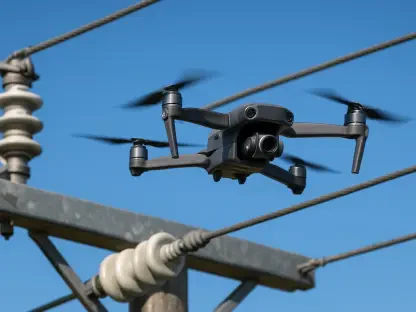
Industry leaders like ABB and Siemens are currently defining the standards for grid automation and resilience through pioneering engineering. ABB focuses on the digitalization of substations and predictive maintenance to increase the longevity of existing infrastructure while reducing manual inspection costs. Meanwhile, Siemens is pioneering “self-healing” grids that utilize artificial intelligence to automatically reroute power during outages, significantly minimizing downtime for residential and industrial consumers. These advancements are critical for integrating volatile renewable sources like wind and solar, ensuring that green energy does not compromise the overall reliability of the power supply. By implementing automated switches and smart sensors, these companies are creating a system that can isolate faults and restore power faster than any human operator could. The result is a more resilient grid that can withstand extreme weather events and common stability threats.
Corporate Leadership and Future Industry Trends
Strategic Management and the Path to Decentralization
Schneider Electric, Hitachi Energy, and General Electric are also playing pivotal roles by providing the specialized software and high-voltage solutions necessary for modern grid management. Schneider excels in microgrid management and energy optimization through its IoT platforms, allowing local communities to operate independently of the main grid when necessary. Hitachi specializes in moving large amounts of renewable energy from remote areas to urban centers, utilizing high-voltage direct current technology to reduce transmission losses. GE’s software-heavy approach focuses on increasing visibility for grid operators, allowing them to manage the increased load from electric vehicles and decentralized energy producers without sacrificing reliability. These companies are not just selling equipment; they are providing comprehensive energy management ecosystems. By integrating advanced analytics into the hardware, they allow utilities to squeeze more efficiency out of every watt.
The Emerging Influence of Grid Prosumers
The future of the energy sector is being defined by a blurring of the lines between technology companies and traditional utilities as public-private partnerships accelerate. Key emerging trends, such as vehicle-to-grid technology and the rise of “prosumers” who both consume and produce energy, are creating a more responsive and democratic energy market. As these technologies mature, the global power network continues to evolve into a proactive, data-driven industry capable of maintaining a sustainable and resilient energy supply for the entire population. This shift empowers individuals and businesses to play an active role in grid stabilization by selling excess solar power back to the network during peak hours. Furthermore, the standardization of communication protocols between different manufacturers is enabling a level of interoperability that was previously impossible. This collaborative environment fosters innovation, as startups build new services on the established digital grid architecture.
Strategic Integration for Long-Term Grid Stability
Actionable Pathways for Infrastructure Modernization
The shift toward intelligent infrastructure necessitated a total reconfiguration of how society valued and utilized electrical energy. Decision-makers recognized that investing in digital grid resilience provided a competitive advantage in the global market, leading to more stable industrial operations and reduced long-term costs. To sustain this momentum, stakeholders prioritized the establishment of international cybersecurity standards to protect the increasingly connected power network from sophisticated digital threats. They also focused on expanding vocational training programs to develop a workforce capable of managing both electrical engineering and data science. These actions ensured that the transition was not only technological but also social and economic, providing a blueprint for future infrastructure projects. By integrating localized energy storage and advanced forecasting tools, the industry moved beyond the limitations of centralized power generation, creating an equitable system.
Historical Milestones in Energy Sovereignty
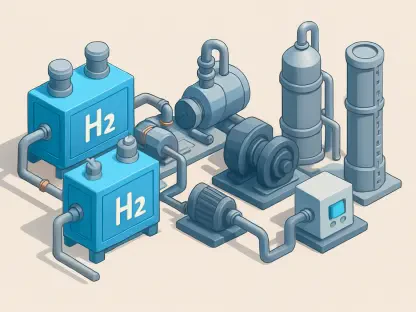
Stakeholders recognized that the path forward required a sustained commitment to research and development in long-duration energy storage and hydrogen-based grid stabilization. By implementing modular grid components, regions achieved a higher level of adaptability against localized failures and unexpected surges in demand. Public policy played a vital role in this evolution by incentivizing the use of recycled materials in the production of high-capacity batteries and smart sensors. This holistic approach reduced the environmental footprint of the very technologies intended to save the planet. Furthermore, the integration of community-led microgrids allowed remote areas to achieve energy sovereignty, bridging the gap between urban and rural development. These historical milestones confirmed that a resilient energy network was the foundation of modern civilization. As we move ahead, the focus remained on refining these systems to ensure they remained accessible to all, fostering a global environment.