
The historical fragility of the independent Texas electrical network has long served as a cautionary tale regarding the necessity of modernizing regional energy systems to withstand increasingly volatile climate patterns. With the federal government now committing $3.26 billion in low-interest loans, the state is poised to overhaul its isolated interconnection, known as the Electric Reliability Council of Texas. This massive financial injection aims to address systemic weaknesses that became painfully evident during recent extreme winter storms and record-breaking summer heat waves. Rather than merely repairing existing hardware, the initiative focuses on deploying advanced technologies that enhance the capacity and flexibility of the state’s transmission lines. The project represents one of the largest federal investments in a single state’s utility framework, reflecting a broader national strategy to secure domestic energy supplies against various emerging threats.
Strengthening Infrastructure for Climate Resilience
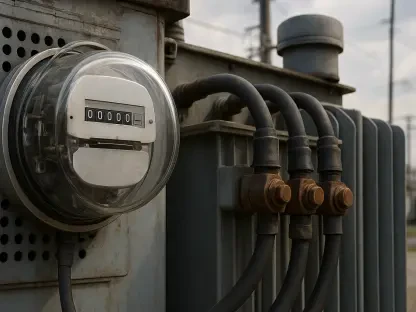
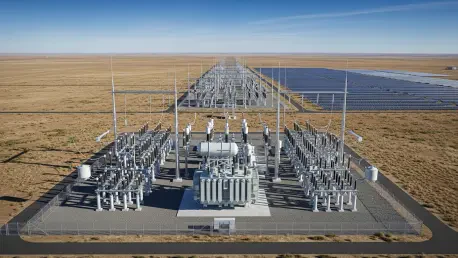
Engineers and utility providers are prioritizing the physical hardening of substations and the replacement of outdated wooden poles with reinforced steel structures capable of enduring high-velocity winds. The modernization effort incorporates the installation of high-voltage direct current lines, which are significantly more efficient at transporting electricity over long distances with minimal energy loss. By upgrading these critical pathways, the Texas grid can better manage the flow of electricity from rural generation sites to high-demand urban centers like Houston and Dallas. This technical shift also includes the deployment of automated sensors and self-healing circuitry that can isolate faults in real-time, preventing localized issues from cascading into statewide blackouts. The integration of such sophisticated monitoring tools allows operators to anticipate potential failures before they occur, ensuring that the distribution network remains operational under duress.
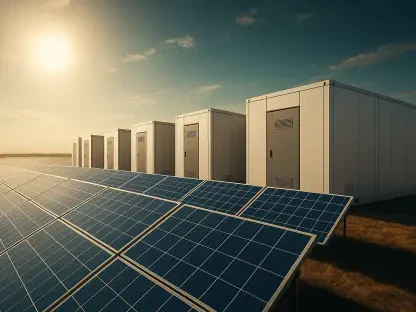
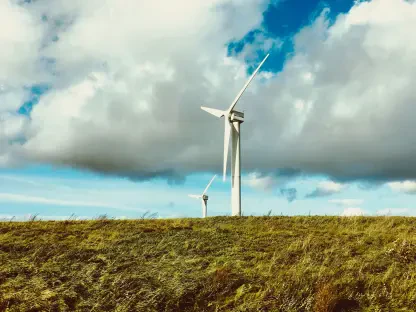
The transition toward a more diverse energy mix necessitates a grid capable of handling the intermittent nature of wind and solar power, which currently dominate the West Texas landscape. Federal funding facilitates the construction of massive battery storage facilities that act as a buffer, soaking up excess energy during peak production and releasing it when demand spikes or weather conditions shift. This approach reduces the reliance on traditional natural gas peaking plants, which have struggled to remain functional during freezing temperatures in previous years. Furthermore, the expansion of transmission capacity allows for the seamless integration of offshore wind projects currently under development along the Gulf Coast. By creating a more interconnected and flexible infrastructure, the state effectively creates a virtual power plant environment where distributed energy resources work in tandem with centralized generation to maintain a stable supply.
Strategic Implementation and Future Energy Security
Beyond the immediate technical improvements, the multi-billion dollar investment serves as a catalyst for significant regional economic growth and specialized workforce development. Construction projects associated with the grid overhaul are expected to create thousands of high-paying jobs for electrical engineers, line workers, and software developers specialized in utility management. This surge in employment provides a stabilizing effect on local economies while fostering a new generation of energy professionals trained in the latest sustainable technologies. Additionally, the loan’s favorable terms allow utility companies to modernize their assets without passing the entirety of the cost on to consumers through immediate rate hikes. Long-term operational efficiencies gained from a smarter grid are projected to lower maintenance costs and reduce the frequency of expensive emergency repairs. These savings contribute to a more predictable pricing environment for industrial users.
The approval of this substantial loan package established a definitive roadmap for the evolution of the Texas power system toward a more robust and responsive model. Federal authorities and state regulators collaborated to ensure that the deployment of funds targeted the most vulnerable nodes of the existing network first. Strategic planning sessions emphasized the importance of maintaining rigorous oversight throughout the multi-year implementation phase to guarantee that technical milestones were met on schedule. Stakeholders recognized that while the financial commitment was unprecedented, the true value resided in the long-term security provided to the residents of the Lone Star State. As the first phases of the modernization project reached completion, the focus shifted toward integrating these local improvements into a broader national resiliency framework. This proactive stance ensured that the infrastructure was not only repaired but was fundamentally transformed.