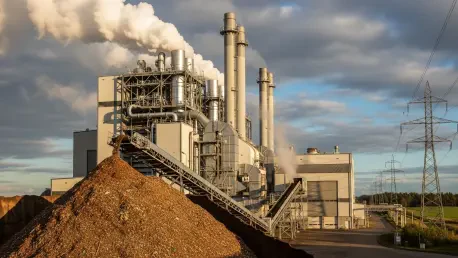

The global energy landscape is currently undergoing a radical transformation as nations strive to reconcile the immediate need for baseload power with the stringent requirements of carbon neutrality. While solar and wind receive significant attention, biomass remains a cornerstone of renewable portfolios due to its ability to provide reliable energy regardless of weather conditions. However, the legacy of biomass as a “dirty” fuel—evoked by images of smoky wood stoves and inefficient industrial furnaces—continues to challenge its widespread acceptance. Modern engineering has evolved past these primitive methods, moving toward sophisticated thermal conversion technologies that prioritize efficiency and air quality. The fundamental question shifting the industry focuses on which specific technologies can extract the highest energy yield while minimizing particulate matter, nitrogen oxides, and carbon dioxide emissions. This pursuit is not merely about finding a better furnace but about rethinking the chemical lifecycle of organic matter in a closed-loop system.
Advanced Gasification: Thermal Decomposition and Syngas Efficiency
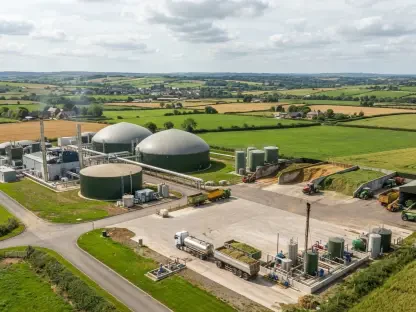
Gasification represents a significant departure from traditional combustion by converting biomass into a combustible gas known as syngas through controlled thermal chemical processes. Rather than burning organic material directly in an oxygen-rich environment, gasification subjects feedstock to high temperatures in a restricted oxygen atmosphere, preventing full combustion. This reaction breaks down the complex molecular structures of agricultural waste or wood chips into carbon monoxide, hydrogen, and methane. The primary advantage lies in its inherent cleanliness; the process allows for the removal of impurities like sulfur before the gas is burned for electricity. By isolating the conversion of solid fuel into a gas, facilities utilize specialized scrubbing technologies that are far more effective than filtering smoke from a standard flue. This transformation results in a fuel that burns as cleanly as natural gas, significantly reducing the environmental footprint of large-scale bioenergy plants.
Plasma gasification has emerged as one of the cleanest variations of this technology currently in operation. By utilizing an electric arc to create a plasma torch, temperatures reach several thousand degrees Celsius, causing organic matter to undergo complete molecular dissociation. This extreme heat ensures that virtually all complex toxins, including dioxins that might be present in municipal solid waste, are completely destroyed. The resulting inorganic residue is transformed into a vitrified slag, a glass-like material that is chemically inert and safe for use in construction, rather than becoming toxic fly ash. While the energy requirements for maintaining a plasma arc are higher than conventional methods, the purity of the syngas produced and the elimination of hazardous waste streams make it a superior choice for urban energy recovery. These systems are now being integrated into localized microgrids, providing a blueprint for decentralized energy production that turns waste into a valuable, clean resource.
Emission Control: Integration of Sequestration and Filtration
The integration of Bioenergy with Carbon Capture and Storage, commonly referred to as BECCS, is a vital leap for the industry. Because plants naturally absorb carbon dioxide from the atmosphere during their growth cycle, capturing the emissions produced when they are converted into energy results in a net-negative carbon footprint. Current implementations of BECCS utilize amine-based solvent systems to strip CO2 from the flue gas of biomass plants, which is then compressed and transported to permanent geological storage sites. This process goes beyond carbon neutrality by actively removing greenhouse gases from the global cycle, making biomass a unique tool in the fight against climate change. Recent breakthroughs in membrane separation technology have further reduced the energy penalty associated with carbon capture, making it economically viable for medium-sized facilities to participate in this economy. As these systems become more modular and affordable, the potential for biomass to serve as a restorative energy source continues to grow.
The transition toward the cleanest possible biomass utilization relied on the rapid deployment of decentralized gasification systems and the strict enforcement of particulate filtration standards. Industry leaders moved toward a model where feedstock was sourced locally to minimize transport-related emissions, emphasizing the use of waste residues over dedicated monoculture crops. Government agencies implemented robust monitoring frameworks that rewarded facilities achieving net-negative emissions through BECCS integration, effectively turning energy plants into carbon sinks. Future strategies were designed to focus on the modularization of these technologies, allowing smaller communities to process agricultural and municipal waste on-site, thereby reducing the reliance on centralized fossil fuel grids. Policymakers and engineers recognized that the cleanest way to burn biomass was not a single invention but a holistic integration of thermal chemistry, advanced filtration, and sequestration. This provided a stable foundation for a grid that prioritized health.