
The blistering intensity of a massive heat dome recently settled over the Rocky Mountains, pushing Wyoming’s electrical grid to its absolute breaking point while triggering urgent federal emergency orders. In previous decades, such extreme weather events would have cemented the dominance of coal-fired power plants, as they served as the unshakeable foundation of regional energy security during periods of peak consumption. However, the current landscape reveals a startling divergence from this historical pattern, with the state’s once-mighty coal industry struggling to maintain its lead even as thermometers hit record highs. While coal remains present in the energy mix, its primary status has been compromised by a structural shift that favors agility and lower emissions over traditional bulk generation. This transition highlights a profound transformation where the immediate necessity for cooling and power is no longer synonymous with a surge in coal burning. The state is now navigating a complex environment where reliability must be balanced against evolving market dynamics and aging infrastructure.
The Statistical Erosion: A Fossil Fuel Giant
The sheer scale of coal’s retreat in Wyoming becomes evident when examining the data over the last several cycles of the energy market’s evolution. Back in 2008, coal accounted for an overwhelming 94% of the state’s electricity generation, acting as the undisputed king of the high plains and a cornerstone of the regional economy. Today, that figure has experienced a dramatic and steady erosion, with current reporting agencies placing coal’s contribution somewhere between 47% and 60% of total output. Even as the current heat wave necessitates a temporary uptick in coal utilization to stabilize the national supply, these momentary spikes cannot mask the broader downward trajectory. The long-term trend lines suggest that the industry has lost its permanent grip on the market, as utilities no longer view it as the singular solution for baseload requirements. This decline is not merely a seasonal fluctuation but reflects a fundamental realignment of how the state generates and exports its vast energy resources to a demanding and shifting domestic market.
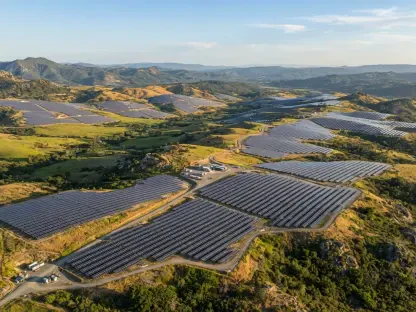
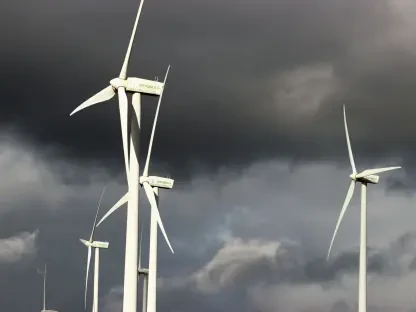
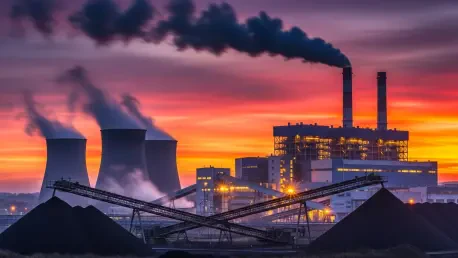
This shrinking footprint is the direct result of a massive expansion in natural gas capacity and an unprecedented surge in renewable energy installations across the state. Natural gas has successfully positioned itself as a flexible alternative, while wind and solar projects have scaled rapidly to account for nearly 40% of Wyoming’s total energy generation mix. Major utility providers are actively accelerating this transition by decommissioning or repurposing legacy assets that were once the pride of the fossil fuel sector. For instance, substantial units at the Naughton and Jim Bridger power plants are being converted into natural gas-burning facilities to align with modern operational goals and stringent environmental standards. These multi-million dollar conversion projects underscore a strategic move away from solid fuels toward cleaner, more dispatchable energy sources that can respond more effectively to price signals. By diversifying the portfolio, Wyoming is creating a more resilient grid that is less susceptible to the volatility associated with a single-commodity dependence.
Economic Realities: Infrastructure Challenges
Economic considerations are perhaps the most potent drivers of this shift, as utility companies increasingly adopt a least-cost and least-risk strategy for their long-term planning. Many of Wyoming’s coal-fired facilities are now entering the twilight of their operational lives, with several plants having exceeded 50 years of continuous service since they were first commissioned. Maintaining these aging structures requires significant capital investment, often making them far more expensive to operate than the latest natural gas turbines or large-scale wind farms. When natural gas prices remain competitive and regulatory pressures demand lower carbon footprints, utilities find it difficult to justify the continued expense of coal. This financial reality forces a prioritization of newer technologies that offer better efficiency and lower maintenance costs over the long run. Consequently, the decision to retire coal units is frequently a purely fiscal one, designed to protect the bottom line while shielding consumers from the rising costs of obsolete energy production methods.
Furthermore, the regulatory landscape has become increasingly complex, placing additional burdens on facilities that rely on older, higher-emission technologies. In response to these pressures, energy firms have redirected their research and development budgets toward carbon capture and more efficient transmission networks rather than simply keeping old boilers running. The inherent risk of potential future litigation or strict emission caps makes coal a less attractive investment for institutional shareholders who are looking for stability in their portfolios. While coal remains a vital backup during emergencies when every megawatt counts, it is no longer the first choice for daily operational needs. The market has effectively priced in the environmental and maintenance risks of coal, leading to a situation where it serves as a secondary layer of protection rather than the primary engine of growth. This shift ensures that the era of coal’s total dominance in the American West has reached a definitive end, replaced by a more balanced and economically sustainable model that favors technological innovation.
Market Shifts: Environmental Variables
External environmental factors have also played a surprising role in marginalizing coal’s contribution to the grid, particularly with a recent 20% increase in regional hydroelectric generation. High precipitation and improved management of water resources have allowed hydro plants to take up a larger share of the burden, further squeezing the market space available for coal. Simultaneously, the coal mining sector itself faces its own set of internal challenges that ripple through the power generation chain. While mining operations in the Powder River Basin continue to maintain a steady pace to meet current contractual obligations, total production levels are currently less than half of what they were during the peak years. This reduction in raw material availability, combined with the rising costs of logistics and transportation, makes it harder for coal to compete with onsite renewable generation. The interplay between climate-driven water availability and the logistical hurdles of the mining industry creates a pincer effect that limits coal’s ability to rebound during high demand.
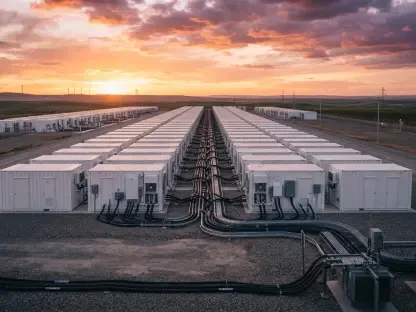
The transition away from coal-centric power reached a critical juncture where policymakers and industry leaders moved to prioritize grid modernization and storage technology. They recognized that relying on legacy systems during peak demand was no longer a sustainable path for maintaining energy independence or economic stability. To address these challenges, regional authorities initiated large-scale battery storage projects and expanded inter-state transmission lines to better distribute renewable surpluses across the grid. These proactive steps allowed the state to maintain reliability during the recent heat dome without needing to reopen decommissioned coal units. Moving forward, the focus shifted toward integrated resource planning that combines the flexibility of natural gas with the low marginal costs of wind and solar power. This strategic pivot ensured that energy producers stayed competitive in a changing market while providing a blueprint for other states facing similar industrial declines. By investing in resilient, low-emission infrastructure, the regional energy sector successfully redefined its role as a forward-looking leader in the national power market.