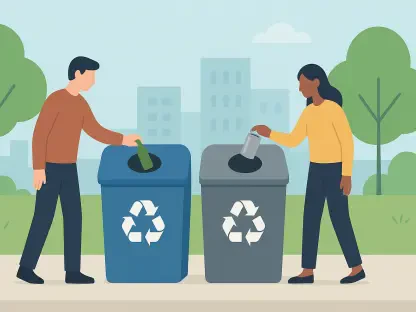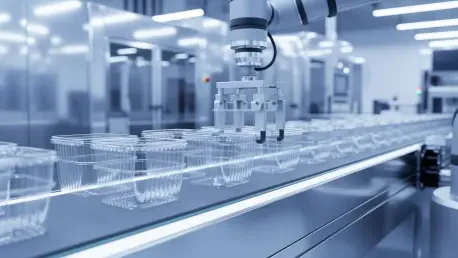

The traditional image of a plastic recycling facility often involves mountain-sized piles of sorted waste that struggle to find a second life beyond low-grade industrial applications or heavy-duty park benches. This perception is rapidly shifting as a landmark partnership between PureCycle Technologies, IPL Schoeller, and Cleveland Kitchen brings high-performance, food-contact containers made with 25 percent post-consumer recycled plastic to grocery store shelves. By successfully bridging the gap between theoretical circular economy models and practical retail requirements, these companies have demonstrated that polypropylene, frequently referred to as number five plastic, can maintain the rigorous standards necessary for food safety. This collaboration represents a significant milestone in the evolution of sustainable materials, moving the industry beyond experimental concepts into a reality where recycled content is indistinguishable from virgin resin. The initiative proves that manufacturing can reconcile high-volume production with environmental stewardship.
The Science of High-Purity Plastic
Molecular Innovation: The Purification Process
Traditional mechanical recycling has long faced a ceiling when it comes to food-grade applications because the process often leaves behind microscopic contaminants and odors that compromise the final product. In contrast, the patented dissolution technology employed by PureCycle Technologies represents a sophisticated departure from these older methods by cleaning the plastic at a molecular level. This process utilizes a specialized solvent to dissolve the polypropylene, allowing the system to filter out additives, colorants, and other impurities that typically degrade the material’s quality. Because this approach is a physical purification rather than a chemical breakdown, it consumes less energy than some alternative advanced recycling techniques while still producing an ultra-pure resin. The resulting material exhibits the same clarity and structural integrity as virgin plastic, ensuring that the final packaging remains transparent and aesthetically pleasing for the consumer on the shelf.
Maintaining the physical strength and clarity required for high-performance packaging is essential for consumer acceptance, especially in the refrigerated food sector where visual appeal is a primary driver of sales. The resin produced through this advanced purification process maintains its structural integrity across a wide range of temperatures, making it ideal for products that transition from cold storage to room temperature. Unlike previous iterations of recycled plastic that often appeared hazy or yellowed, this high-purity polypropylene allows brands to maintain their established aesthetic identity without compromising on their sustainability goals. This technological breakthrough effectively decouples the quality of the final packaging from the quality of the incoming waste stream, ensuring a consistent product regardless of the source material. As a result, food manufacturers can now confidently integrate recycled content into their existing production lines without requiring extensive retooling to their machinery.
Safety Validation: Standards and Certifications
Achieving high purity is only one part of the challenge, as any material intended for food contact must undergo grueling testing to meet the uncompromising safety standards set by global health authorities. The recycled resin used in this new packaging has secured a Letter of No Objection from the Food and Drug Administration, authorizing its use in diverse conditions ranging from freezing temperatures to microwave heating. This federal validation is a critical prerequisite for mass-market adoption, as it provides the legal assurance that the recycled plastic will not leach harmful chemicals into the food product. The rigorous vetting process ensures that the purification technology is capable of consistently removing contaminants to levels that are considered safe for human use. For brands like Cleveland Kitchen, this regulatory clearance is the cornerstone of their marketing strategy, allowing them to highlight environmental benefits while maintaining an absolute commitment to consumer health.
In addition to federal safety approvals, the material holds GreenCircle Certification, providing an essential layer of third-party verification that confirms the specific percentage of recycled content within each container. Such certifications are increasingly vital for brands that need to substantiate their sustainability claims against rising scrutiny from both regulators and consumer advocacy groups. By securing these official endorsements, the partnership has effectively eliminated the risks associated with misleading marketing, offering a transparent and verified path for other manufacturers to follow. This level of verification helps to build long-term consumer trust, as shoppers can easily identify products that meet high environmental standards through recognized labeling. Furthermore, these certifications simplify the reporting process for corporate ESG initiatives, providing documented proof of progress toward plastic reduction goals. As the market for recycled materials continues to mature, third-party audits will remain the standard.
Future Growth and Strategic Synergy
Market Demands: Legal Benchmarks and Retail Pressure
The transition toward recycled packaging is no longer merely a voluntary gesture of corporate goodwill but is increasingly becoming a matter of legal survival for major consumer brands. Across the United States, states like California and New Jersey have spearheaded a movement toward mandatory recycled content for rigid plastic containers, with requirements slated to rise sharply between 2026 and 2030. These legislative frameworks are designed to force a move away from single-use plastics, creating a high-stakes environment where companies must innovate or face significant financial penalties. The implementation of high-purity polypropylene resin allows food producers to stay ahead of these regulatory curves, ensuring that their supply chains remain compliant well before the deadlines arrive. This proactive approach minimizes the risk of sudden disruptions or the need for emergency redesigns, providing a stable foundation for long-term product distribution in key markets that are increasingly hostile to waste.
Beyond the realm of government legislation, the pressure from massive retail entities like Walmart and Aldi is serving as a powerful catalyst for the adoption of sustainable packaging solutions. These retail giants have established internal sustainability benchmarks that often exceed state laws, effectively acting as gatekeepers who decide which products earn a place on their premium shelf space. For a brand like Cleveland Kitchen, the decision to adopt 25 percent post-consumer recycled content is a strategic maneuver to align with these corporate mandates, securing its position within the competitive grocery landscape. As retailers continue to prioritize suppliers who can demonstrate a commitment to reduced plastic waste, the ability to provide high-quality, recycled packaging becomes a significant competitive advantage. This dynamic shift suggests that the future of retail will be defined by a synergy between brand values and the infrastructure required to support a truly circular economy on a massive, nationwide scale.
Scalable Solutions: Future Infrastructure and Integration
The successful integration of recycled polypropylene into the mass market relies on a specialized synergy between the technology innovator, the industrial processor, and the forward-thinking brand. While PureCycle provides the core resin purification technology, the role of IPL Schoeller is critical in leveraging its extensive manufacturing footprint to produce containers at an industrial scale. With facilities across North America and Europe, this collaboration ensures that the supply of sustainable packaging can meet the high-volume demands of modern food distribution without sacrificing speed or reliability. Cleveland Kitchen serves as the essential first mover in this ecosystem, providing the real-world proof of concept that convinces other industry players of the material’s commercial viability. This tripartite model demonstrates that no single company can solve the plastic waste crisis in isolation; instead, it requires a coordinated effort across the entire value chain to achieve progress.
The partnership between these industry leaders demonstrated that the technological hurdles previously preventing the widespread use of recycled polypropylene in food packaging were finally overcome. By successfully navigating the complexities of molecular purification and federal safety regulations, the initiative proved that high-performance sustainability is achievable at a commercial scale. Moving forward, organizations should prioritize investments in modular recycling technologies that can be integrated directly into existing supply chains to reduce logistics costs. Furthermore, brands must establish deeper data-sharing agreements with their packaging partners to ensure the traceability of recycled materials from the waste bin to the final product. This level of transparency will be essential for maintaining consumer trust as the market becomes saturated with claims. Ultimately, the transition to circular materials will require a continuous commitment to research and development, ensuring that the next generation of packaging is resilient.