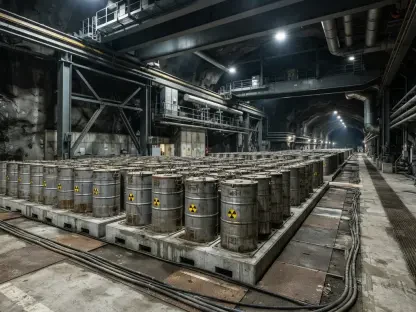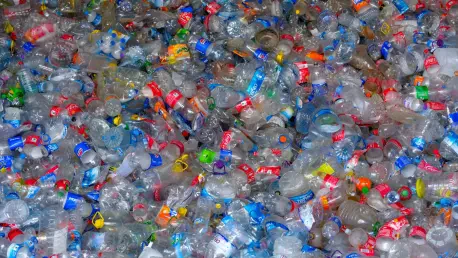

The global electronics recycling infrastructure currently stands at a precarious crossroads where the historical obsession with recovering high-value precious metals has inadvertently fueled a catastrophic mismanagement of complex polymer streams. For decades, the primary metrics for success in the industry were defined by collection volumes and the efficiency of extracting gold, copper, and palladium, while the voluminous plastic residues were treated as a secondary nuisance. This narrow focus resulted in a profound lack of transparent infrastructure, leaving many commercial recyclers woefully unprepared for the rigorous technical and regulatory demands associated with modern plastic disposal. As global scrutiny from environmental agencies intensifies, the sector is forced to confront the reality that simple collection is no longer sufficient. The industry must now transition toward a model of sophisticated material management that accounts for every gram of shredded residue.
Technical Barriers: The Struggle of Material Separation
A significant technical hurdle in the contemporary recycling process involves the extreme difficulty of separating specific resins like Acrylonitrile Butadiene Styrene and Polystyrene from a mixed waste stream. Traditional sink-float technology, which relies on the relative density of materials to sort waste in liquid media, proved largely ineffective for these specific plastics because their density profiles are nearly identical. To achieve the high purity levels now required for legal international export or high-value domestic reuse, recyclers were forced to look beyond rudimentary methods toward advanced electrostatic separation systems. These systems utilize electrical charges to deflect different polymer types into separate bins, providing a level of precision that mechanical shredding cannot match. Without the implementation of such high-level technology, any claims regarding the successful separation of e-waste plastics remained scientifically questionable and were often viewed with heavy skepticism by independent environmental auditors.
The current landscape of the industry is fundamentally split between responsible operators who invested in legitimate infrastructure and those who continued to prioritize short-term profit margins through opaque downstream practices. Building a compliant and fully integrated plastic processing system required a massive capital investment alongside rigorous operational oversight, which often yielded significantly lower immediate returns than simply exporting raw waste to unregulated destinations. This created an inherently uneven playing field where companies that cut environmental corners could offer lower prices to original equipment manufacturers, effectively penalizing the recyclers that strictly adhered to international standards. This economic friction threatened to undermine the entire recycling ecosystem unless a standardized cost for plastic management was established. Addressing this gap required a shift in how contracts were awarded, moving away from the lowest bidder toward partners who could demonstrate a verified and ethical chain of custody.
Global Accountability: Navigating Regulation and Circularity
International enforcement of environmental laws became increasingly aggressive as the global community reached a consensus on the hazards associated with the movement of contaminated waste. Recent crackdowns on electronics plastic exports highlighted a broader global adherence to the Basel Convention, which strictly limits the shipment of hazardous or mixed materials between nations without explicit consent and proper processing facilities. These regulatory shifts effectively ended the era of “opaque” international exports and catalyzed the development of robust domestic processing capabilities within many developed economies. This change was necessary to ensure long-term industry stability and to protect legitimate recyclers from the severe legal liabilities associated with illegal waste dumping. The transition necessitated a renewed focus on maintaining the integrity of industry certifications such as R2 and e-Stewards, which served as the primary benchmarks for ethical conduct and corporate responsibility.
The industry recognized that its survival depended on a total transition toward a true circular economy model that eliminated the externalization of environmental risks. Initiatives like the NEXLOOP Polymer Alliance represented a pivotal shift toward advanced recovery and the creation of legitimate secondary markets for recycled plastics. Stakeholders realized that by focusing on verifiable transparency and operational integrity, they transformed from mere waste collectors into vital participants in a sustainable global supply chain. This evolution required recyclers to implement blockchain-based tracking and rigorous chemical testing to ensure that secondary plastics met the safety requirements of new product manufacturing. Those who failed to adapt to these higher standards faced an inevitable reckoning as regulators and the marketplace moved toward total accountability. In the end, the industry prioritized long-term ecological health over fleeting convenience, ensuring that plastic management became a cornerstone of modern electronics processing.