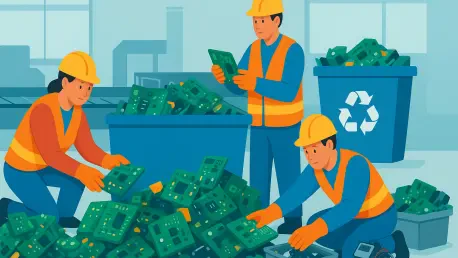

The rapid acceleration of Indonesia’s digital infrastructure has inadvertently created a secondary crisis lying dormant in discarded circuitry and cracked glass. The B.J. Habibie Science and Technology Park now serves as a laboratory for testing environmental standards and enhancing the circular economy’s efficiency. This strategic collaboration between PT Daur Ulang Sampah Elektronik (EwasteRJ) and the National Research and Innovation Agency (BRIN) represents a pivotal shift in how the nation manages its mounting electronic debris. As of 2026, the volume of discarded electronics continues to present significant logistical challenges, necessitating a move beyond traditional collection methods toward high-tech dismantling operations. This initiative targets the estimated 1.9 million tons of e-waste generated annually, providing a structured response to a problem once relegated to the shadows of the informal economy. By centralizing operations at a dedicated hub, the partners demonstrate that waste management is both a scientific endeavor and an economically viable industrial sector, setting a new benchmark for regional sustainability. The facility serves as a focal point where technology, research, and environmental stewardship converge to address the full lifecycle of modern consumer electronics.
Bridging the Gap: Informal Labor and Professional Standards
Professionalizing the Workforce: From Manual Skills to Green Careers
The transition of informal waste collectors into a formal industrial framework serves as a cornerstone of the new dismantling hub’s mission. Historically, these workers have operated without the benefit of standardized safety equipment or medical oversight, often exposing themselves to neurotoxins like lead and mercury while extracting valuable components. Under the new partnership, EwasteRJ and BRIN are implementing comprehensive training programs designed to convert these manual skills into certified professional expertise. These programs do not merely offer employment but provide a career path within the emerging green economy, complete with rigorous safety protocols and specialized technical education. By integrating the existing informal sector, the project avoids displacing vulnerable workers and instead elevates them into a regulated environment. This inclusive approach ensures that the social fabric of the waste management community remains intact while simultaneously improving the operational quality and health outcomes for everyone involved in the recycling process.
Standardizing the manual dismantling process requires a delicate balance between human intuition and rigorous scientific methodologies. The hub operates as a controlled environment where devices are meticulously disassembled to isolate hazardous substances before they can contaminate the broader ecosystem. This systematic isolation of toxins is a significant departure from the rudimentary burning or acid-bath techniques often utilized in unregulated settings. By establishing a professional facility, the partnership ensures that every component, from printed circuit boards to cathode ray tubes, is handled according to strict environmental guidelines. This level of oversight is essential for preventing the leaching of heavy metals into groundwater and soil, a chronic issue in regions with high concentrations of electronic waste. The transformation of these practices from informal survival strategies into disciplined industrial operations marks a critical step toward long-term ecological restoration and the protection of public health as the nation expands.
Technological Integration: Enhancing Traceability and Resource Recovery
At the heart of the dismantling hub lies a sophisticated digital infrastructure powered by artificial intelligence and real-time data tracking systems. EwasteRJ is spearheading the development of these tools to ensure that every gram of material entering the facility is accounted for, from the initial point of collection to the final stage of material recovery. These AI-driven platforms are capable of identifying specific components and predicting the most efficient dismantling sequence, which maximizes the recovery of rare earth metals and other valuable resources. Furthermore, the implementation of blockchain-inspired traceability ensures a transparent record of the waste journey, providing confidence to corporate partners and government regulators alike. This data-driven approach allows for the creation of a consistent recycling ecosystem where transparency is a built-in feature of the operational workflow. By digitizing the physical act of dismantling, the hub transforms discarded hardware into a valuable stream of intelligence that informs better product design and management.
The collaboration between EwasteRJ and BRIN successfully established a foundation for a more resilient and transparent electronic waste management system. Stakeholders looked toward the integration of these sophisticated dismantling hubs as a primary solution for the growing volume of discarded hardware across the region. Moving forward, the focus shifted toward expanding these specialized facilities to rural areas, ensuring that the benefits of formal recycling reached beyond major urban centers. It was recommended that future policies should incentivize the use of recycled materials in new consumer electronics to further close the loop. Policymakers and industry leaders recognized the need for continuous investment in digital tracking technologies to maintain the integrity of the recycling chain. By treating electronic waste as a valuable resource, the nation prepared itself for a sustainable future where technology and ecology existed in balance. The lessons learned from this partnership provided the necessary insights to refine waste management strategies, fostering a culture of responsibility.