
Haroun Mahamat Adoum transformed the narrative of urban refuse from a public nuisance into a viable business model by offering professionalized door-to-door collection services in Chad. This shift was born from a period of academic study in Cyprus, where he witnessed the clockwork efficiency of Mediterranean waste systems. Returning to N’Djamena, the capital of Chad, he was met with the jarring sight of overflowing heaps and a total absence of structured sanitation. The contrast was not just a disappointment but a revelation; it exposed a massive market gap that existing municipal efforts had failed to fill. While others saw trash as an aesthetic and health burden, Adoum perceived it as the raw material for an untapped industrial sector. He understood that the rapid urbanization characterizing Central African cities would only exacerbate the problem, making a professional solution not just a luxury, but an absolute necessity for the region’s future economic stability and public welfare. This proactive stance redefined environmentalism as a driver for growth.
Urban Logistics: Moving from Concept to Operation
Establishing the Foundation of Professional Sanitation
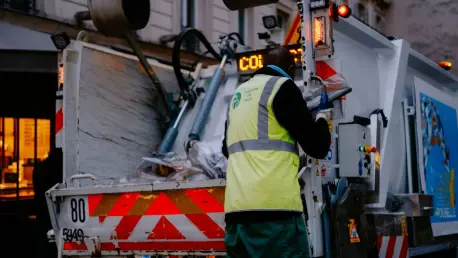
The logistics of setting up “The First Waste Management” involved moving beyond simple cleanup drives to creating a permanent, reliable infrastructure. Adoum realized that to gain community trust, he needed a predictable schedule and professional presentation. He started small in the 4th arrondissement of N’Djamena, focusing on the specific needs of residential households who were tired of the unreliability of informal collectors. These informal workers often used open carts and lacked proper disposal sites, which only moved the problem from one street to another. By contrast, Adoum’s model emphasized professionalization—trained staff, appropriate collection vehicles, and a clear chain of custody for the waste collected. This systematic approach helped formalize a sector that had long been ignored by the private investment community. The transition from a student’s observation to a functioning fleet of collectors required meticulous planning and a deep understanding of local urban geography.
Implementing the Subscription Model for Sustainability
The cornerstone of this operational success is the subscription-based financial model, which charges a nominal fee of 500 CFA for regular door-to-door service. This pricing strategy was carefully calculated to remain affordable for average families while ensuring the company could cover its overhead and maintain its equipment. By implementing a recurring payment system, Adoum avoided the instability that plagues many African startups. This steady cash flow allows for the maintenance of vehicles and the timely payment of salaries, which in turn fosters employee loyalty and service consistency. Furthermore, the subscription model creates a sense of ownership among residents, who now view waste management as a professional service they are entitled to, rather than an occasional favor from the city. This psychological shift is crucial for the long-term sustainability of urban sanitation. Residents are no longer just passive observers of urban decay; they are active participants in a system that maintains their local environment’s health and value.
Economic Growth: Catalyzing Success Through Support
Leveraging Seed Capital for Operational Scaling
A significant milestone in the evolution of this enterprise arrived in 2026 when Adoum secured a spot in the Tony Elumelu Foundation Entrepreneurship Programme. This partnership acted as a powerful accelerator, providing the seed capital of $5,000 that was essential for scaling his initial pilot project. While this amount might seem modest in a global context, its impact in N’Djamena was transformative, allowing for the immediate purchase of specialized equipment and the hiring of a core operational team. More importantly, the program provided a structured business curriculum that refined Adoum’s understanding of financial forecasting and human resource management. Navigating the Chadian market requires more than just a good idea; it requires a robust organizational framework capable of withstanding economic fluctuations. Through the foundation’s mentorship, Adoum was able to transition from a solo entrepreneur to a manager who understands how to leverage data and logistics to optimize daily collection routes.
Fostering Job Creation in the Green Sector
Beyond the internal operational improvements, the external support fostered a broader impact on the local economy by creating high-quality jobs within the emerging green sector. Currently employing a dedicated team, the company provides a path for young Chadians to enter a professionalized workforce focused on environmental stewardship. This job creation is a vital component of Adoum’s vision, as it demonstrates that waste management can be a respectable and stable career path rather than a last-resort occupation. The validation provided by a pan-African organization like the Tony Elumelu Foundation also helped Adoum build credibility with local authorities and potential partners. This institutional backing has allowed him to participate in higher-level discussions about urban planning and sustainability in Chad. By connecting with a network of like-minded entrepreneurs across the continent, he has gained insights into how other African cities are tackling similar sanitation challenges, ensuring his company remains at the forefront of regional innovation.
Circular Economy: The Future of Waste Recovery
Transitioning from Collection to Resource Extraction
Looking forward, the strategic focus of the company is shifting from mere collection to the more ambitious goal of comprehensive resource recovery. Adoum is actively working on the development of specialized recycling facilities that can process various types of urban waste, such as plastics, metals, and organic matter. This transition toward a circular economy model is designed to reduce the total volume of refuse that ends up in landfills, while simultaneously creating new revenue streams from the sale of recycled materials. By treating waste as a resource rather than a burden, Adoum is aligning his business with modern environmental standards that prioritize sustainability and carbon footprint reduction. The establishment of these facilities will require further investment in processing technology, but the long-term benefits include a cleaner city and a more diverse industrial base for Chad. This phase of growth is expected to create even more specialized jobs in mechanical sorting and industrial processing.
Integrating Community Education and Awareness
To ensure the success of these recovery efforts, a robust community education program is being integrated into the company’s daily operations. Adoum recognizes that effective recycling begins at the source, with households correctly segregating their waste into different categories. Educational initiatives are designed to inform residents about the environmental impact of their disposal habits and the benefits of a circular economy. These efforts involve direct engagement with neighborhood leaders and the distribution of informative materials that explain how simple changes in behavior can lead to a much cleaner and healthier community. As public awareness grows, the quality of the collected materials improves, making the recycling process more efficient and cost-effective. While the company currently focuses on specific districts in N’Djamena, the ultimate goal is to replicate this success in other major urban centers throughout Chad. By building a nationwide network of professional waste services, he is laying the foundation for a modern nation.
Urban Sustainability: Building a Regional Blueprint
Standardizing Entrepreneurial Solutions in Central Africa
The model established by Haroun Mahamat Adoum offers a powerful blueprint for other entrepreneurs in Central Africa who are looking to solve pressing social issues through market-driven solutions. His success demonstrates that addressing the sanitation crisis requires a combination of local knowledge, international best practices, and persistent operational discipline. By proving that waste management can be a profitable and professional industry, he has opened the door for further private investment in the region’s environmental infrastructure. This shift is critical as African cities continue to grow at an unprecedented rate, necessitating a move away from reliance on overburdened municipal services toward more agile and innovative private enterprises. The impact of “The First Waste Management” extends beyond the physical cleanliness of the streets; it serves as a catalyst for a broader cultural shift in how society perceives urban maintenance and public health, inspiring a new generation of local innovators.
Advancing Toward Technological and Nationwide Expansion
In moving toward a more sustainable urban future, the focus remained on the integration of advanced logistics and data-driven decision-making. These technological advancements further professionalized the industry and allowed for more efficient scaling across different geographic regions. For policymakers and investors, the lesson from Adoum’s journey was clear: supporting localized, scalable solutions was the most effective way to build resilient urban environments. Actionable steps for the future involved creating more favorable regulatory environments for green startups and fostering public-private partnerships that could tackle large-scale environmental projects. By continuing to innovate and expand, Adoum ensured that the lessons learned in the 4th arrondissement were applied to create cleaner, healthier cities for millions of people across Central Africa. His work was a definitive step toward a modern economy where the concepts of growth and environmental stewardship were no longer mutually exclusive.