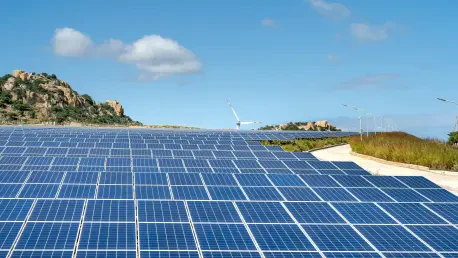

The sun-drenched plains of Mardin have transitioned from a breadbasket of ancient agriculture to a high-stakes battleground where the global mandate for green energy clashes violently with local ecological survival. While the international community views the rapid expansion of solar power plants as a triumph of decarbonization, the residents of districts like Derik, Artuklu, and Kızıltepe find themselves caught in a systemic conversion of their ancestral grazing lands into industrial energy zones. This transition, which gained significant momentum following a surge of project approvals between 2024 and 2025, has fundamentally altered the socio-economic fabric of southeastern Turkey by prioritizing massive corporate infrastructure over the traditional land-use rights of rural communities. The sheer scale of these projects suggests that the region is being reimagined not as a living landscape, but as a utility-scale power corridor designed to feed the energy-intensive demands of heavy industry. This shift is not merely a change in land use; it represents a profound reconfiguration of the relationship between state-backed industrial policy and the fragile ecosystems that have sustained life in Upper Mesopotamia for millennia.
The rapid issuance of positive Environmental Impact Assessment (EIA) decisions has become a hallmark of this transformation, often occurring despite vocal opposition from local farmers and environmental advocates who warn of irreversible damage. These regulatory approvals are frequently criticized for functioning as administrative formalities rather than rigorous safeguards, as they tend to overlook the cumulative impact of dozens of adjacent solar sites on the local water table and soil health. In 2026, the province stands at a critical juncture where the promise of “clean energy” is increasingly viewed through the lens of dispossession and environmental risk. As vast tracts of land are enclosed by high fences and covered with silicon panels, the tension between national carbon reduction targets and the protection of Mardin’s unique biodiversity continues to escalate. The struggle is no longer just about energy production; it is about who owns the future of the landscape and whether the pursuit of a greener planet must necessarily come at the expense of the local environments it is meant to save.
Corporate Domination and the Industrial Energy Corridor
The influx of capital into Mardin’s energy sector is currently led by massive industrial conglomerates, such as Cengiz Holding and İskenderun Iron and Steel Works (ISDEMİR), which are aggressively securing land to ensure energy self-sufficiency. For these giants, the pivot toward solar power is a strategic move to lower the operational costs of heavy manufacturing while benefiting from state-backed purchase guarantees and green incentives. ISDEMİR’s “Mardin-2” project, which spans 172 hectares of vital grazing land in Artuklu and Mazıdağı, serves as a primary example of how industrial priorities are superseding local agricultural needs. By converting these areas into private energy estates, these corporations effectively enclose public resources, leaving local livestock farmers with fewer places to graze their herds and threatening the viability of the regional dairy and meat industries. This corporate-led expansion is creating a “natural monopoly” where the infrastructure for renewable energy is concentrated in the hands of a few powerful holdings, further centralizing economic power far away from the communities that actually live on the land.
The regulatory framework supporting this expansion often prioritizes the timelines of industrial giants over the thorough investigation of long-term ecological consequences. Many of the newer players in the field, such as Çemtaş Çelik and CW Enerji, have leveraged favorable investment climates to push through massive projects, including a 37-megawatt plant in Derik that represents an investment of over 1.4 billion Turkish lira. This concentration of industrial activity is rapidly turning Mardin into an industrial energy corridor that extends into neighboring provinces like Bitlis and Diyarbakır. Critics argue that this model of development is inherently extractive, as it socializes the environmental and social costs while privatizing the profits. The shift toward “storage-integrated” solar projects further complicates the landscape, as these facilities require even more land and intensive infrastructure. As the geography of the region is reshaped to meet the demands of steel mills and mining operations, the cultural and economic identity of Mardin as an agricultural powerhouse is being systematically dismantled in favor of a homogenized industrial grid.
Soil Degradation and the Intensification of Water Stress
The physical installation of solar arrays requires extensive land leveling and the complete removal of native vegetation, a process that carries a heavy and often overlooked ecological footprint. Scientific data indicates that such activities lead to severe soil compaction and the destruction of natural drainage systems that have evolved over thousands of years. In the sloped regions of Artuklu, the removal of the natural ground cover significantly increases the risk of surface runoff and erosion, which can strip the land of its productive topsoil in just a few seasons. During the sudden, heavy rainfall events that characterize the regional climate, the lack of vegetation and the altered drainage patterns can trigger flash flooding and landslides, posing a direct and physical threat to residential settlements located downstream from these industrial sites. This physical degradation of the land makes it nearly impossible for the soil to recover its original agricultural potential, even if the solar panels are eventually removed, leading to a permanent loss of fertile terrain.
Furthermore, the region is currently grappling with a period of extreme drought that has left 70 percent of the Mardin plain facing severe agricultural risks. Solar facilities exacerbate this critical water stress because they require significant volumes of water to clean dust from the panels to maintain their energy efficiency. In a province where every drop of groundwater is essential for human consumption and crop irrigation, the diversion of these resources to maintain industrial energy sites is a major point of contention. The use of chemical dust suppressants and herbicides to keep the sites clear of vegetation also introduces the risk of contaminating the already scarce groundwater supplies. As the soil loses its ability to retain moisture due to the removal of plants, the surrounding landscape becomes even drier, creating a feedback loop that intensifies the effects of the ongoing drought. The survival of the local community is intrinsically linked to the health of the water table, yet the current trajectory of energy expansion appears to prioritize panel performance over the hydraulic stability of the entire region.
Microclimate Shifts and the Impact on Biodiversity
The phenomenon known as the “photovoltaic heat island” effect is emerging as a significant environmental concern as the density of solar installations in Mardin continues to grow. Large arrays of solar panels are designed to absorb sunlight, but they also radiate a substantial amount of heat, which can significantly warm the air in the immediate vicinity. In a region where summer temperatures have already pushed past record highs of 49 degrees Celsius, this localized warming can alter delicate microclimates and accelerate the drying of nearby agricultural crops and wild vegetation. There are even growing concerns among conservationists that this additional heat could contribute to the thermal expansion and degradation of Mardin’s historic stone architecture, which has stood for centuries but was never intended to withstand the artificial temperature spikes generated by square miles of silicon and glass. This shift in the local climate adds another layer of stress to an ecosystem that is already pushed to its limits by global warming.
Beyond the thermal impacts, the fragmentation of habitats by massive solar fences is disrupting the migration paths and daily movements of local wildlife. The “lake effect,” where birds and aquatic insects mistake the polarized light reflected from the panels for bodies of water, has been documented as a primary cause of population declines among various species. Creatures often collide with the glass surfaces or attempt to lay eggs on them, leading to reproductive failure and a breakdown in the local food chain. The International Union for Conservation of Nature has noted that such industrial developments can turn once-vibrant ecosystems into biological deserts by blocking the movement of small mammals and pollinators. While some legal challenges in Artuklu have successfully halted projects by highlighting these threats to biodiversity and cultural assets, the overall momentum of the energy sector remains focused on expansion. The long-term ecological balance of the region is being traded for short-term energy gains, leaving a landscape that is increasingly inhospitable to the diverse life forms that previously called it home.
The Path Toward Ecological Restoration and Local Sovereignty
The resolution of the conflict in Mardin required a fundamental shift in how renewable energy projects were planned and executed, moving away from top-down industrial mandates toward community-led models. Legal victories, such as the court-ordered halt of the Azyol Enerji project, proved that the judicial system could act as a vital check against the unchecked expansion of extractive energy models on registered agricultural lands. By recognizing the intrinsic value of the landscape beyond its potential for electricity generation, these rulings provided a blueprint for future resistance and a demand for more sophisticated Environmental Impact Assessments. These new assessments began to account for the cumulative effects of heat islands and water depletion, forcing developers to adopt less invasive technologies. The focus shifted toward decentralized energy systems, such as rooftop solar in urban areas and small-scale arrays on marginalized lands that did not compete with food production or livestock grazing.
In the final analysis, the experience in Mardin served as a global lesson that “green” energy is only as sustainable as the methods used to implement it. To prevent the further degradation of the Mesopotamian ecosystem, policymakers moved to prioritize the rehabilitation of soil health and the protection of water rights over the rapid build-out of utility-scale plants. This involved implementing mandatory “agrivoltaic” standards, where panels were elevated to allow for grazing or crop cultivation underneath, thereby preserving the socio-economic utility of the land. Furthermore, the restoration of native vegetation around existing sites helped mitigate the heat island effect and protected local biodiversity from the worst impacts of habitat fragmentation. By integrating local ecological knowledge with modern technology, the region began to heal the rift between its industrial ambitions and its environmental realities. The transition eventually focused on empowering local cooperatives to manage their own energy needs, ensuring that the benefits of the sun remained with the people who had lived under it for generations.