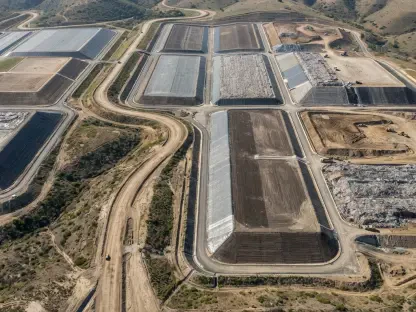

Modern metropolitan areas rely on a complex network of sanitation services that function so seamlessly that the average resident rarely considers the catastrophic public health consequences of a forty-eight-hour service disruption. This invisible infrastructure serves as the primary barrier between dense human populations and the rapid proliferation of infectious diseases that historically decimated urban centers. Every day, thousands of professionals manage the collection and disposal of massive volumes of municipal solid waste, which in the United States alone exceeds hundreds of millions of tons annually. Without the precise execution of these duties, residential neighborhoods would quickly become breeding grounds for disease vectors such as rodents, flies, and mosquitoes. These organisms are known carriers of pathogens like leptospirosis, hantavirus, and salmonella, which thrive in uncollected refuse. Consequently, the waste management sector does not merely provide a convenience; it operates as an essential component of the preventative healthcare system.
The Infrastructure of Sanitation: Mitigating Pathogen Risks
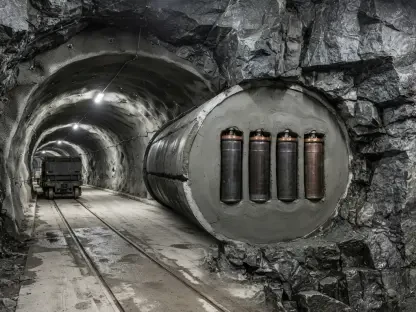
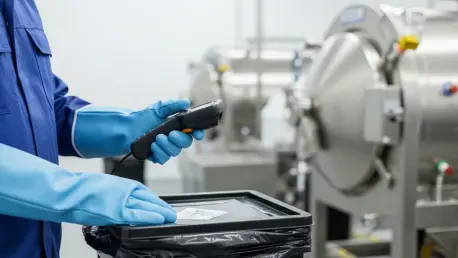
The management of hazardous and medical waste represents a specialized tier of the industry that directly prevents the spread of bloodborne pathogens and chemical toxins within the community. Hospitals, laboratories, and dental clinics generate significant quantities of sharps, pathological waste, and pharmaceutical residues that require sterilization via industrial autoclaves or high-temperature incineration. Waste professionals follow rigorous protocols to ensure these materials never enter the general refuse stream, where they could puncture conventional bags or contaminate groundwater supplies. In many urban districts, the introduction of specialized collection routes for electronic waste has also become a priority to prevent heavy metals like lead, mercury, and cadmium from leaching into the soil. By isolating these high-risk materials at the point of generation, sanitation experts effectively neutralize potential environmental hazards before they can impact local water tables or air quality.
Professional training and workplace safety standards within the recycling sector have evolved to address the physical and biological risks inherent in handling consumer discarded materials. Modern sanitation workers utilize advanced personal protective equipment and operate sophisticated machinery, such as automated side loaders, which minimize direct contact with waste and reduce the incidence of musculoskeletal injuries. These professionals are trained to identify prohibited items, such as lithium-ion batteries, which pose significant fire risks to collection vehicles and processing facilities. Enhanced safety regulations established between 2026 and 2028 focused on reducing the mortality rate in what has historically been one of the most dangerous occupations. By maintaining a healthy and well-protected workforce, municipalities ensure the continuity of service required to keep public spaces clean. The resilience of this workforce is fundamental to the stability of the entire urban ecosystem.
Technological Integration: Enhancing Urban Resilience
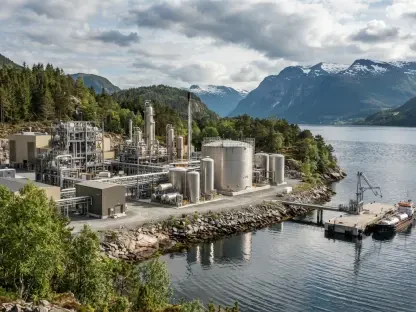
Technological integration in Material Recovery Facilities has revolutionized how post-consumer products are sorted and processed, significantly reducing the amount of toxic material that reaches landfills. High-speed robotics equipped with artificial intelligence now work alongside human sorters to identify and separate various resin types and metal alloys with precision. Optical sorting systems utilizing near-infrared technology can differentiate between high-density polyethylene and polyethylene terephthalate in milliseconds, ensuring that chemical contamination is kept to a minimum in the final recycled product. These advancements are critical because they prevent the downcycling of materials and ensure that hazardous additives found in plastics are properly sequestered. Furthermore, the automation of these processes has allowed for the handling of higher volumes of waste without sacrificing accuracy. This increased efficiency prevents the accumulation of backlogs, which could otherwise lead to unsanitary conditions.
Decision-makers implemented specialized training programs that treated waste management as a subset of public clinical health rather than just logistics. They standardized the chemical composition of plastics to make optical sorting more efficient across municipal lines. Local governments prioritized the construction of localized anaerobic digestion facilities to process organic waste before it could generate significant methane. These actions solidified the link between sanitation and long-term community health. Furthermore, residents adopted clearer labeling systems that reduced contamination at the source, ensuring that recycling streams remained viable. Industry leaders also transitioned to fully electric fleets to eliminate localized air pollution during collection rounds. These steps ensured that the sanitation infrastructure remained resilient against shifting urban demographics. Ultimately, the integration of real-time data tracking allowed for a proactive response to waste surges during health emergencies.