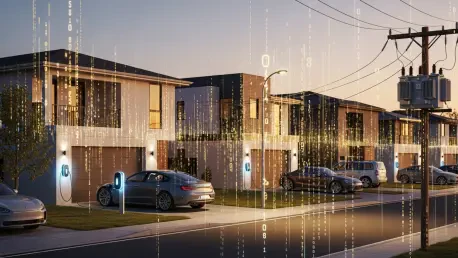

Modern electrical distribution systems across North America are currently encountering an unprecedented period of structural stress as aging infrastructure meets the rapid deployment of high-demand residential charging loads. While electric vehicles represent a significant shift in energy consumption, they simultaneously offer a potential solution as flexible grid assets that can mitigate peak demand if properly integrated. However, most utilities are currently operating under a severe visibility deficit, lacking the granular data necessary to identify exactly where and when these vehicles are drawing power from the local circuit. This gap in intelligence transforms a potentially manageable resource into a source of unpredictable strain, forcing grid operators to make multi-million dollar infrastructure decisions based on estimates rather than reality. Without a clear window into real-time charging behavior, the ambition of creating a resilient, decarbonized grid remains constrained by the limitations of traditional monitoring systems that were never designed for such dynamic loads.
Overcoming Structural InertiThe Shift in Power Distribution
The current distribution landscape was largely engineered for the predictable, slow-rolling cycles of standard residential appliances, rather than the sudden and intense draw of Level 2 charging stations. These chargers often consume as much electricity as an entire household during operation, creating a phenomenon known as the flexibility paradox where the technical ability to manage loads exists but remains unexploited due to a lack of detection. For decades, utilities relied on vehicle registration databases or voluntary customer notifications to estimate where new loads would appear, but these methods have proven increasingly unreliable in a fast-moving market. Many vehicle owners do not report their charging installations, and registration data often lags behind actual street-level behavior by months or even years. This reliance on fragmented information prevents grid planners from anticipating local transformer overloads before they occur, leading to reactive maintenance rather than proactive system strengthening.
Furthermore, statistics from various utility jurisdictions indicate that consumer engagement with managed charging programs or time-of-use rates remains persistently low, often hovering in the single digits. This creates a significant blind spot because the very individuals who are most likely to strain the grid—those charging high-capacity batteries during peak hours—are often the least likely to sign up for incentive-based programs. When utilities cannot verify the existence of an electric vehicle at a specific premise, they lose the ability to target that customer with tailored efficiency programs or demand-response initiatives. This lack of engagement leaves operators with an outdated map of their own system, where the actual physics of the power flow does not match the predicted models. As the density of electric vehicles increases in affluent neighborhoods, the risk of localized equipment failure grows, necessitating a shift away from human-dependent reporting toward automated, technology-driven identification methods.
Deploying Neural Networks: How AI Decodes Metering Infrastructure
Addressing this intelligence gap requires a move toward sophisticated artificial intelligence that can interpret the massive volumes of data already generated by existing advanced metering infrastructure. Specialized platforms like GridLens utilize convolutional neural networks to analyze fifteen-minute interval data, effectively searching for the unique electrical signatures left by electric vehicle charging events. These algorithms are trained to distinguish between the steady draw of a pool pump and the specific high-frequency pattern of an onboard vehicle charger, providing a high-confidence visual fingerprint of energy use. By disaggregating this consumption at the meter level, utilities can obtain an accurate inventory of assets across their entire service territory without requiring any active input or hardware installation from the customer. This automated approach eliminates the friction of manual reporting and provides a comprehensive dataset that is updated as frequently as the meters are read.
Historically, most utility companies have utilized their smart meter networks primarily for billing and basic outage detection, leaving a vast reservoir of operational intelligence entirely untapped. The transition toward algorithmic detection allows planning and rate-setting departments to shift their methodology from speculative assumptions to evidence-based strategic actions. With precise data on where electric vehicle loads are concentrated, engineers can identify specific circuits that require immediate reinforcement while identifying others where existing capacity is sufficient to handle projected growth. This level of insight is critical for distribution planning, as it allows for the optimization of capital expenditure by focusing upgrades only where they are truly necessary. Moreover, it enables utilities to measure the actual impact of their residential programs in real-time, providing a feedback loop that was previously impossible. Moving toward this data-centric model ensures that the grid evolves at the same pace as the transportation sector.
Future-Proofing the Grid: Moving Toward Granular Load Intelligence
By achieving a state of total visibility, utilities can finally begin to treat electric vehicles as sophisticated grid-balancing tools rather than merely passive planning challenges to be overcome. Transparency in charging patterns allows operators to implement managed charging strategies that effectively shave system peaks, spreading the electrical demand across hours when the grid is underutilized. This precision essentially unlocks hidden capacity within the existing footprint, allowing for a higher volume of electric vehicles to be supported without the immediate need for disruptive and expensive physical construction. The ability to defer these infrastructure upgrades preserves capital and keeps electricity rates stable for all consumers, regardless of whether they own an electric vehicle themselves. As the power system becomes more complex, the integration of granular consumption data serves as the foundation for a more resilient architecture that can withstand the demands of a high-load future while maintaining safety.
The successful bridge between raw meter data and actionable grid intelligence established a clear path forward for utilities seeking to navigate the complexities of modern electrification. Operations teams prioritized the integration of automated AI detection to replace outdated manual tracking systems, ensuring that infrastructure investments targeted the areas of highest risk first. This shift allowed for the development of dynamic rate structures that rewarded customers for aligning their charging habits with the needs of the local distribution network. Looking ahead, utilities focused on expanding these analytical capabilities to include other distributed energy resources, such as residential solar and battery storage systems, to create a truly unified view of the low-voltage grid. By embracing algorithmic transparency, the industry moved toward a proactive stance that anticipated demand spikes before they challenged system integrity. These steps provided the necessary framework for a stable energy transition.