
The global transition toward decentralized energy production has reached a critical tipping point where intermittent solar generation must be harmonized with reliable storage to meet the complex demands of modern consumption. As utility rates fluctuate and the strain on aging grid infrastructures increases, homeowners and businesses are seeking more than just solar panels; they require comprehensive ecosystems that manage power intelligently in real time. APsystems has recognized this fundamental change in the market landscape by developing a suite of integrated energy storage solutions designed to bridge the gap between simple generation and total energy autonomy. By leveraging advanced microinverter technology alongside robust battery storage, the company aims to provide a seamless experience that addresses the technical challenges of power conversion, storage efficiency, and grid stabilization. This evolution reflects a broader trend toward the prosumer model where users are no longer passive recipients but active managers of their energy footprint.
Technological Synergies in Residential Energy Systems
The Efficiency of AC-Coupled Storage Architectures
The move toward sophisticated AC-coupled systems represents a significant milestone for retrofitting existing solar installations with high-capacity storage without requiring extensive rewiring of the primary array. This architecture allows the energy storage system to operate independently of the solar inverter brand, making it a versatile choice for a wide variety of residential applications where homeowners wish to add backup capabilities to their current setups. APsystems has refined this technology to ensure that the synchronization between the microinverter and the battery occurs with minimal latency, providing instantaneous power when the grid fails or when peak demand charges are at their highest. The flexibility offered by this approach ensures that energy harvested during the sunniest parts of the day is not wasted but instead preserved for the evening hours, maximizing the return on investment for the owner while also contributing to the overall stability of the local network.
Efficiency in these integrated systems is driven by the intelligence of the power conversion units which manage the flow of electricity with high precision to reduce thermal loss during the conversion cycles. By utilizing localized power management, the system can prioritize critical loads during an outage, ensuring that essential appliances remain operational while less important circuits are temporarily disconnected to preserve battery life. The robustness of this technology is further enhanced by its modular design, allowing users to expand their storage capacity as their energy needs grow over time without needing to replace the entire inverter infrastructure. This modularity is particularly beneficial for growing families or expanding businesses that anticipate higher energy consumption from electric vehicle charging. Furthermore, the integration of advanced monitoring software provides real-time data on energy production, allowing for predictive maintenance and usage.
Direct Current Optimization for New Installations
For new solar projects, DC-coupled storage systems offer an unparalleled level of efficiency by reducing the number of power conversion steps required to move energy from the panels to the batteries. This direct path minimizes the energy lost as heat, which is a common drawback in traditional systems that convert DC to AC and back to DC for storage purposes. APsystems has integrated these DC-coupled features into their latest product line to capture every possible watt of solar energy, particularly during periods of high irradiance when traditional systems might experience clipping or thermal throttling. The streamlined nature of these installations also reduces the overall hardware footprint, making them an attractive option for modern architectural designs that favor clean lines and minimal equipment visibility. Installers benefit from reduced labor time as the simplified wiring schemes are easier to implement and test during the commissioning phase of the system.
Beyond the physical hardware, the software layer of these DC-coupled systems utilizes machine learning algorithms to predict solar production based on local weather forecasts and historical performance data. This foresight allows the system to make proactive decisions about when to charge the battery from the sun and when to discharge to the home, ensuring that the battery remains at an optimal state of health for as long as possible. The longevity of the storage units is a major consideration for consumers, and by managing the depth of discharge and temperature variations more effectively, the technology extends the operational lifespan of the entire ecosystem. This proactive management also plays a vital role in grid support services, where the system can respond to signals from utility companies to provide demand response. Such capabilities transform a residential battery into a strategic asset for the wider electrical grid, potentially opening up new revenue streams for homeowners.
Scalability and Performance in Commercial Operations
Strategic Demand Management for Enterprises
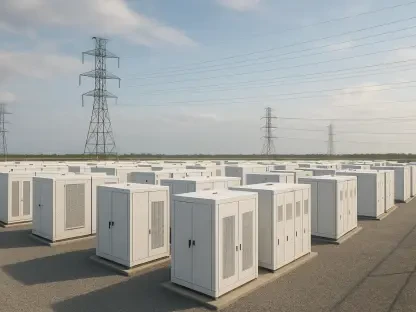
Small and medium-sized enterprises are increasingly turning to integrated storage to mitigate the rising costs of demand charges, which can account for a substantial portion of a commercial electricity bill. The commercial-grade storage solutions are designed to handle larger loads while maintaining the same level of granularity and control found in residential models. By shaving off peak demand through strategic battery discharge, businesses can significantly lower their monthly operational expenses without altering their daily production schedules or energy-intensive processes. This economic benefit is coupled with the peace of mind that comes from having a reliable backup source during localized grid disturbances, preventing costly downtime and data loss. The industrial-strength enclosures and advanced cooling systems ensure that these units can operate reliably in diverse environments, from retail warehouses to manufacturing floors, providing a high degree of versatility for various industries.
Regulatory compliance and environmental certifications are also driving the adoption of these systems in the commercial sector, as corporations strive to meet ambitious sustainability targets and report lower carbon footprints. The provided data tracking and reporting tools simplify this process, offering transparent insights into how much green energy is being consumed versus grid-supplied power. This data is invaluable for environmental reporting and can enhance a company’s brand reputation among conscious consumers and investors. Furthermore, the scalability of the commercial ecosystem means that a business can start with a modest storage capacity and expand it as they add more electric delivery vehicles or machinery to their fleet. This phased approach to capital investment makes the transition to renewable energy more manageable for businesses with tighter budgets. The integration of high-performance microinverters also ensures that if one solar panel or inverter fails, the rest of the system continues to operate effectively.
Future Perspectives on Urban Grid Resilience
As urban areas become more densely populated and the demand for electricity grows, the role of smart storage in maintaining grid stability becomes even more critical for municipal planners and developers. These ecosystems are being designed for integration into multi-family housing projects and mixed-use developments, where centralized energy management is required for efficient distribution. These systems allow for the sharing of solar energy among different tenants, optimizing the use of rooftop space and ensuring that every unit benefits from the renewable energy generated on-site. The implementation of smart storage in these environments helps to buffer the local distribution network, preventing the need for expensive grid upgrades that would otherwise be passed on to the residents. By providing a decentralized solution to energy management, these ecosystems empower communities to take control of their own power needs and reduce their reliance on centralized power plants.
The final phase of the development cycle for these integrated ecosystems demonstrated that the successful adoption of storage technology depended on the seamless interaction between hardware, software, and the end-user interface. APsystems finalized a platform that allowed for remote updates and diagnostics, ensuring that every installed unit remained at the cutting edge of energy management technology throughout its entire lifecycle. This proactive approach to maintenance reduced the need for on-site technician visits and lowered the long-term cost of ownership for both residential and commercial users. The focus shifted toward providing actionable insights for users, such as recommendations for shifting heavy energy usage to times of high solar production. The transition to these integrated ecosystems provided a clear pathway for achieving greater energy independence and financial stability. By prioritizing reliability and ease of use, the company established a new benchmark for how modern energy storage should be implemented.