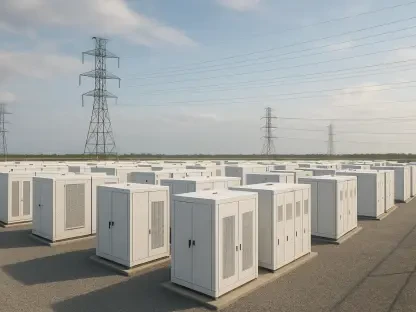

British Columbia’s energy landscape recently shifted toward a more resilient future with the announcement of the region’s premier large-capacity storage installation on the coast. This initiative represents a significant pivot in how the province manages its power distribution, particularly as the demand for electricity continues to surge alongside the rapid electrification of transportation and heating systems. By integrating a large-scale battery into the existing infrastructure, BC Hydro aims to mitigate the challenges of peak demand while ensuring that the transition to renewable sources remains seamless and efficient. This project is not merely an addition to the local grid but a fundamental restructuring of energy storage capabilities that addresses concerns regarding power reliability during extreme weather. As consumption patterns evolve, the implementation of such advanced technology serves as a critical buffer, maintaining a steady flow of electricity to homes.
Local Resilience: Managing Peak Demand
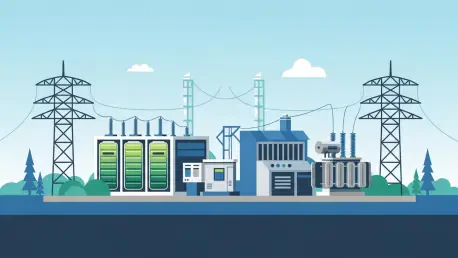
The introduction of utility-scale storage addresses the inherent volatility associated with modern energy grids that increasingly rely on variable renewable sources. This specific battery system provides the capacity to store excess energy during periods of low demand, such as late at night, and release it instantaneously when the grid faces maximum strain during the early evening hours. Such a mechanism is vital for Vancouver Island, which often experiences unique logistical hurdles due to its geographic isolation from the primary mainland generating facilities. Instead of solely relying on the expansion of physical transmission lines, which often involve lengthy environmental assessments and high capital costs, BC Hydro opted for a modular battery solution that can be deployed with speed and precision. This approach effectively flattens the demand curve, reducing the necessity for expensive “peaker” plants that carry higher operational costs, thereby fostering a sustainable energy ecosystem.
Furthermore, the technical specifications of the proposed system emphasize the shift toward high-energy density lithium-ion or emerging long-duration storage technologies that provide hours of backup power. This capability is particularly crucial during the winter months when heavy storms can occasionally threaten the integrity of the undersea cables that transmit electricity from the mainland. By establishing a localized reservoir of energy, the island gains a layer of autonomy that was previously unattainable, allowing the regional grid to function independently for brief periods during maintenance or emergency repairs. The project also serves as a testing ground for wider implementation throughout the province, providing real-time data on how large-scale storage interacts with existing hydroelectric assets. Engineers focused on ensuring that the software controlling the battery integrates with BC Hydro’s centralized dispatch system, allowing for millisecond-level responses to frequency fluctuations.
Strategic Impact: Collaboration and Growth
A central component of this infrastructure project involved deep collaboration with local First Nations, ensuring that the development aligns with regional environmental values and provides tangible economic opportunities. These partnerships were instrumental in selecting a site that minimizes ecological disruption while maximizing proximity to existing substations, which reduces the need for extensive new wiring. The project created specialized roles in technical maintenance and site management, fostering a local workforce capable of supporting future clean energy initiatives. Beyond immediate job creation, the investment signals a broader commitment to decentralized energy models where local communities play a more active role in their power security. By prioritizing Indigenous engagement from the conceptual phase, the province established a framework for future utility projects that balances technological advancement with social responsibility. This collaborative model ensures that the benefits of the transition are distributed very widely.
The successful planning of the Vancouver Island battery system demonstrated that modernizing the grid required a blend of technical innovation and community-oriented strategy. Planners looked toward the integration of smart-grid technologies that enabled the battery to communicate directly with household smart meters, optimizing local distribution in real-time. Moving forward, the focus shifted toward expanding these storage clusters to other remote regions where transmission constraints previously hindered development. Decision-makers recommended that future iterations explore diverse battery chemistries to avoid supply chain bottlenecks and enhance the duration of discharge cycles. It became clear that the path to a carbon-neutral grid necessitated not just the generation of green energy, but the sophisticated ability to store and deploy it on demand. Stakeholders were encouraged to continue investing in domestic battery manufacturing to create a circular energy economy. This strategic shift turned a localized challenge into a provincial blueprint.