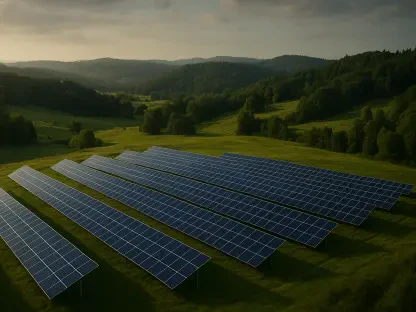

The meteoric rise of generative artificial intelligence has transformed the energy sector from a background utility into a critical bottleneck for the entire global technology industry. As companies race to deploy increasingly complex neural networks, the electricity required to sustain these operations has grown at an exponential rate, far outstripping previous efficiency gains in hardware. Google’s recent commitment to a record-breaking solar power purchase agreement signals a significant attempt to secure long-term carbon-free energy before the AI boom outpaces the available green supply on the grid. Unlike previous expansions that relied on intermittent energy sources, the current generation of data centers demands a steady, high-voltage stream of power that operates without interruption. This shift has forced technology giants to look beyond traditional carbon offsets and toward direct physical integration with large-scale renewable projects. The success of these initiatives will likely determine whether the massive computational needs of the next decade can be met without derailing global climate goals.
Addressing the Power Gap in Artificial Intelligence
The Growing Demand of Generative Systems
The hardware required to train and deploy sophisticated machine learning models consumes significantly more energy than traditional cloud computing services due to the intensive processing performed by specialized accelerators. These chips, grouped into massive clusters, generate substantial heat and require sophisticated cooling systems that add another significant layer of electricity consumption to the total load. As the industry moves from experimental models to massive production environments, the cumulative energy requirement has started to impact local utility infrastructures in major tech hubs. This surge is not merely a temporary spike but a structural shift in how data centers are engineered and operated. Engineers are now tasked with balancing the need for low-latency processing with the physical limitations of current electrical distribution systems. Without a fundamental change in energy sourcing, the friction between technological progress and grid capacity could lead to operational delays or increased reliance on fossil fuels during peak usage.
Strategic Investments in Renewable Infrastructure
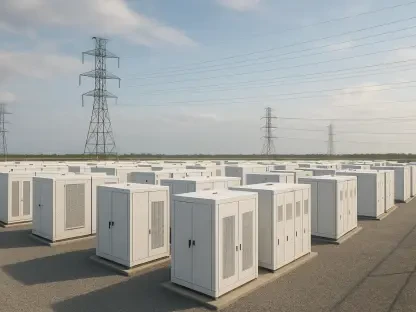
To mitigate the risk of energy shortages, large technology firms are entering into unprecedented long-term agreements with solar and wind developers to bring new capacity online. Google’s latest solar deal represents a shift toward market-moving investments that prioritize additionality, ensuring that their capital results in new renewable assets being built rather than just buying credits from existing ones. These massive solar farms are often paired with advanced battery storage systems to provide a more consistent energy profile that matches the flat load of a 24-hour data center. By securing these resources through multi-year contracts, companies can lock in energy prices and shield themselves from the volatility of the spot market while meeting aggressive net-zero targets. This proactive approach also incentivizes developers to innovate in solar panel efficiency and storage density, creating a virtuous cycle that benefits the broader energy market. The scale of these deals is now large enough to influence regional energy planning and accelerate the decommissioning of carbon-intensive plants.
Scaling Solutions for a Carbon-Free Future
Transitioning to Continuous Clean Energy
Achieving a truly sustainable computing environment requires moving past the concept of annual carbon neutrality and toward a system where clean energy is produced and consumed every hour of every day. This 24/7 carbon-free energy goal is significantly more challenging because it requires a diverse portfolio of resources to cover periods when the sun is not shining or the wind is not blowing. Beyond solar investments, firms are exploring geothermal and small modular reactors to fill these gaps, though solar remains the most cost-effective and scalable option in the immediate term. The integration of advanced software to track energy consumption in real-time allows data centers to shift non-critical workloads to times when renewable production is at its peak. This dynamic load management, combined with massive solar installations, provides a blueprint for how heavy industry can operate within the limits of a modern green grid. However, the success of this transition depends on the speed at which physical infrastructure can be permitted and constructed.
Actionable Blueprints for Grid Stability
The collaboration between technology firms and utility providers established a new framework for managing the intersection of high-intensity computing and environmental responsibility. It was observed that successful implementations prioritized the modernization of transmission lines and the deployment of long-duration energy storage. Organizations found that the most effective strategy involved diversifying their energy portfolios to include multiple renewable sources while investing in grid-enhancing technologies. Analysts noted that companies which integrated their sustainability teams directly into the infrastructure planning phase achieved faster deployment times and lower overall costs. Regulatory bodies and private enterprises recognized that the path forward required shared investments in infrastructure that benefited the entire public grid rather than just individual facilities. By adopting these integrated approaches, the industry demonstrated that it was possible to scale the next generation of intelligence without compromising the health of the planet or the stability of local energy markets.