
The industrial landscape in Argentina is currently undergoing a pivotal transformation as Micro, Small, and Medium Enterprises navigate the dual pressures of rising operational costs and the global imperative for sustainable production methods. With the recent implementation of Resolution 311/2026 by the Energy Secretariat, the federal government has introduced a robust strategic framework designed to catalyze the adoption of energy-efficient technologies through targeted fiscal incentives. This policy arrives at a critical juncture where the modernization of aging machinery is no longer merely a preference for environmental stewardship but a fundamental necessity for maintaining commercial viability in a tightening market. By addressing the financial barriers that typically hinder technological upgrades, the administration aims to foster a more resilient industrial sector capable of self-sustaining growth. This shift represents a comprehensive effort to align national economic interests with modern environmental standards.
Fiscal Mechanisms: Overcoming Capital Constraints
Tax Relief: Accelerating Capital Recovery
The primary obstacle preventing smaller firms from upgrading to high-performance machinery has traditionally been the prohibitive nature of upfront capital expenditures, which often drain essential working capital. Resolution 311/2026 directly tackles this liquidity crunch by introducing a two-pronged fiscal approach that prioritizes immediate financial relief for participating companies. One of the central pillars of this initiative is the provision for accelerated depreciation of assets for Income Tax purposes, allowing businesses to write off their investments at a much faster rate than standard accounting cycles would normally permit. This mechanism ensures that the tax burden is significantly lowered during the initial years of operation, effectively shortening the payback period for new hardware. Consequently, firms that were previously hesitant to commit to large-scale overhauls now find a much more favorable environment for reclaiming their investments, thereby incentivizing the transition.
Liquidity Support: Streamlining Refund Processes
In addition to depreciation benefits, the government has streamlined the process for the early refund of Value Added Tax credits associated with the purchase of qualified energy-efficient equipment. This particular feature is vital for MSMEs that frequently struggle with cash flow management, as it prevents large amounts of capital from being tied up in government accounts for extended periods. Furthermore, the new regulations have wisely eliminated the minimum investment thresholds for equipment categorized as having exceptionally high energy efficiency for the initial phase of the program. By removing these financial floor requirements, the Energy Secretariat has ensured that even the smallest artisanal producers or micro-enterprises can access state support without needing to undertake massive, multi-million dollar projects. This inclusivity is designed to spread the benefits of modernization across the entire economic spectrum, ensuring that the drive toward efficiency is accessible to all manufacturers.
Technical Standards: Prioritizing High-Impact Systems
Hardware Integration: Replacing Legacy Components
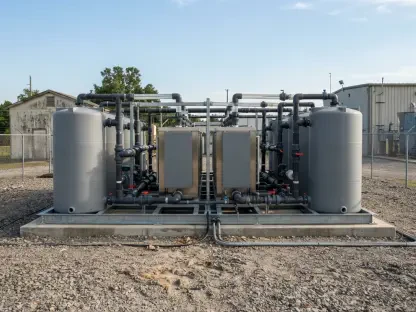
The legislative framework is specifically tailored to address the industrial components that contribute most significantly to the national energy demand, with a particular focus on electric motors and compressed air systems. Statistics indicate that electric motors alone account for nearly seventy percent of the total electrical consumption in standard manufacturing environments, making them the most logical target for immediate intervention. By subsidizing the replacement of older, inefficient motors with modern counterparts, the policy aims to achieve substantial reductions in power usage across the board. Similarly, compressed air systems, which often suffer from significant leakage and poor regulation, are highlighted as a priority area where technological upgrades can yield quick returns. Integrating modern speed regulation technologies and intelligent pumping systems allows facilities to reduce their energy waste by up to fifty percent, directly lowering the overall operational overhead for SMEs.
Smart Infrastructure: Monitoring and Real-Time Optimization
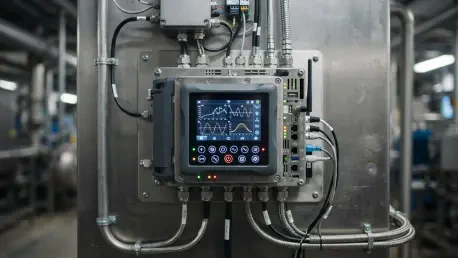
Beyond heavy machinery, the program also emphasizes the importance of digital infrastructure through the inclusion of smart measurement devices and electronic control tools. These technologies provide the necessary data for real-time monitoring of energy performance, allowing factory managers to identify inefficiencies that would otherwise go unnoticed during routine operations. By creating a digital twin of energy usage, companies can optimize their production schedules to take advantage of off-peak rates and avoid unnecessary surges in demand. This transition toward smart manufacturing is viewed as a prerequisite for the long-term competitiveness of Argentine SMEs in an increasingly data-driven global economy. The integration of these control systems ensures that the efficiency gains realized through new hardware are maintained over time, as automated adjustments can respond dynamically to changes in the production environment, providing a scalable solution for various sizes of manufacturing facilities.
Future Pathways: Establishing Sustainable Operational Standards
The successful implementation of these tax incentives established a clear pathway for Argentine enterprises to modernize their operations while navigating a complex economic landscape. It was essential for business owners to prioritize a comprehensive energy audit as the very first step toward qualifying for these benefits, as this provided the empirical foundation for any subsequent technological investments. Looking ahead, companies should have focused on the integration of modular systems that allowed for incremental upgrades, ensuring that their production lines remained adaptable to future energy standards without requiring a total overhaul. Financial planners within these firms were encouraged to work closely with tax consultants to maximize the timing of accelerated depreciation and VAT recovery, thereby optimizing their cash flow during the transition period. By taking these proactive measures, the industrial sector not only improved its immediate operational efficiency but also secured its long-term market position.