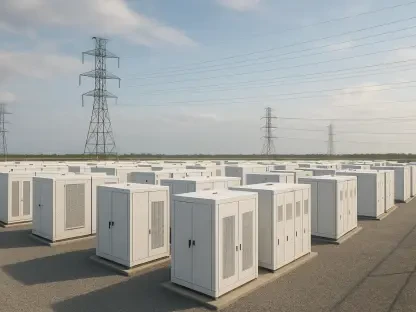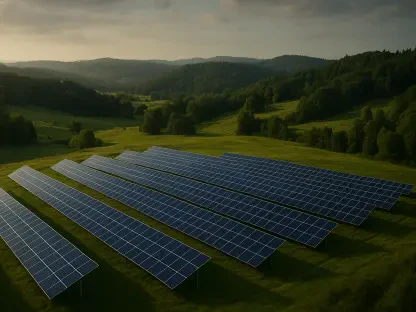

Since the start of 2023, the world’s leading battery manufacturer has integrated over 18 billion kWh of zero-carbon electricity into its production processes to decouple growth from emissions. This strategic shift allowed Contemporary Amperex Technology Co., Limited (CATL) to hit its primary carbon neutrality targets for its manufacturing facilities well ahead of the original 2025 schedule. By refining its internal energy architecture, the company has effectively demonstrated that high-volume industrial output does not have to come at the expense of the environment. However, this achievement is merely the first phase of an even more aggressive roadmap. The organization is now pivoting its focus toward a much broader horizon, aiming to reach full carbon neutrality across its entire global value chain by 2035. This ambition places the company at the forefront of the energy transition, signaling to the automotive world that the era of accounting for every gram of carbon has finally arrived.
Achieving Operational Excellence: The Path to Zero-Carbon Manufacturing
To reach these milestones, the company successfully transitioned all 20 of its global battery manufacturing facilities to run entirely on zero-carbon electricity. This transition was not simply about purchasing green energy credits; it involved a comprehensive overhaul of industrial processes to maximize energy efficiency. By implementing advanced automation and AI-driven power management, these factories have managed to significantly reduce their energy intensity even as production volumes reached record highs. This success serves as a definitive proof of concept for the wider manufacturing sector, illustrating that heavy industry can indeed operate within planetary boundaries. The operational model developed here provides a replicable blueprint for other high-intensity sectors, proving that sustainability and profitability are not mutually exclusive. As these plants continue to optimize their output, they set a new benchmark for what modern, responsible manufacturing looks like in a global economy.
Central to this operational success is the proprietary Carbon Chain Management System, a sophisticated digital infrastructure designed to track emissions with surgical precision. This platform does not merely estimate environmental impact; it monitors the entire lifecycle of a battery, from the initial extraction of lithium and cobalt to the final assembly of the cell. Utilizing over a thousand distinct data models, the system ensures that every metric reported is verifiable and accurate. This level of transparency has become a necessity rather than a luxury, especially as global regulatory bodies increase their scrutiny of industrial environmental claims. By providing clear, data-backed evidence of their carbon footprint, the company is building a foundation of trust with both regulators and consumers. This data-centric approach allows for real-time adjustments in the manufacturing process, ensuring that any deviation from sustainability goals is identified and corrected immediately.
Sustainable Procurement: Mandating Clean Energy Across the Supply Chain
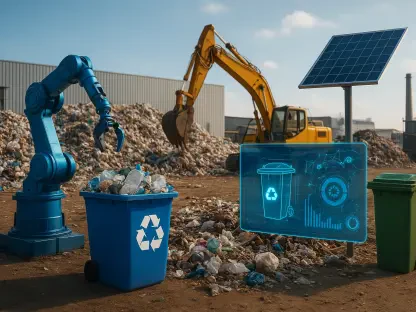
The internal decarbonization of factories is a major hurdle, yet the company acknowledges that approximately 80% of a battery’s total carbon footprint is generated within the upstream supply chain. Addressing this significant portion of the lifecycle is the cornerstone of the strategy leading up to 2035. The plan involves a multi-pronged approach that includes promoting cleaner manufacturing methods among raw material providers and optimizing global green logistics. A critical element of this transition is the development of a robust circular economy, where battery recycling plays a central role. By expanding international recycling networks, the company aims to recover precious minerals and reintroduce them into the production loop, thereby reducing the environmental and social costs associated with mining new materials. This closed-loop system is essential for minimizing waste and ensuring that the battery industry remains sustainable as demand for electric vehicles continues to surge.
To accelerate this shift among its partners, the company is implementing strict green procurement guidelines that will redefine the supplier relationship. Starting in 2027, all primary business partners will be required to provide granular carbon footprint data and demonstrate a clear commitment to renewable energy usage. Those who fail to meet these evolving standards may find themselves excluded from future contracts, as the company prioritizes sustainable partners who share its vision for a zero-carbon future. This strategy leverages the company’s significant market influence to force a “green shift” across the entire battery ecosystem, effectively mandating environmental accountability. By offering long-term contracts and preferential treatment to suppliers with the lowest carbon intensities, the organization is creating a powerful economic incentive for decarbonization. This proactive stance ensures that the transition to clean energy is not limited to a single entity but spreads throughout the entire industry.
Looking Beyond the Factory: The Future of Battery Lifecycle Standards
Decarbonizing the battery manufacturing process is no longer just a corporate social responsibility initiative; it is a fundamental requirement for the long-term integrity of the electric vehicle market. As automotive manufacturers and government agencies place greater emphasis on the total lifecycle emissions of a vehicle, the battery’s carbon footprint has become a primary metric for success. A vehicle that emits no tailpipe gases but is powered by a high-carbon battery loses much of its environmental appeal. Consequently, a certified zero-carbon battery has become a critical asset that enhances the overall value proposition of electric transport. This shift in market dynamics suggests a future where environmental performance is weighted as heavily as traditional specifications like range, power, and price. By leading this transition, the company is helping to ensure that the move toward electrification results in a meaningful and measurable reduction in global greenhouse gas emissions.
The successful attainment of the 2025 operational goals marked a pivotal moment in the history of sustainable industrialization. By demonstrating that carbon neutrality was achievable on such a massive scale, the organization shifted the conversation from theoretical possibilities to practical applications. Looking forward from 2026, the focus must now remain on the rigorous integration of these standards into the broader global economy. Other players in the technology and energy sectors should take note of how data transparency and supply chain enforcement were used to drive meaningful change. The next logical step involves the standardization of these carbon-tracking methodologies across all industries to prevent greenwashing and ensure fair competition. As the world moves toward the 2035 target, the lessons learned from this early success will be vital for any company seeking to remain relevant in a decarbonized world. Sustainable practices must be treated as a core business function rather than a secondary concern.