
Modernizing America’s Clean Energy Backbone: Legislative Action
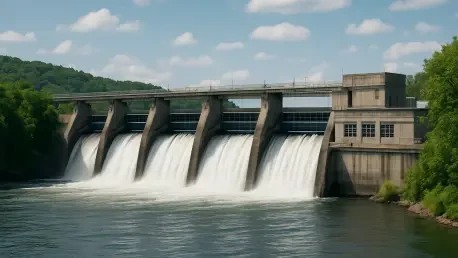
As the American electrical grid faces an unprecedented surge in demand, the silent workhorses of the renewable energy sector—hundreds of massive hydroelectric dams—are currently entangled in a regulatory web that threatens to stall the nation’s transition toward a sustainable future. The United States is currently navigating a pivotal transition in its energy landscape, balancing the urgent need for carbon-free electricity with the realities of an aging infrastructure. At the heart of this transition lies hydropower, a reliable and flexible renewable resource that provides over 100 gigawatts of power to the national grid. However, the regulatory framework governing these facilities has become a primary obstacle to their continued operation. This analysis explores the surging bipartisan momentum in Congress to reform the federal licensing process, aiming to eliminate bureaucratic hurdles that threaten the viability of the nation’s hydroelectric fleet.
The Regulatory Bottleneck: Understanding the Legacy of Hydropower Oversight
To appreciate the urgency of current reform efforts, one must look at the historical and administrative evolution of the Federal Power Act. For decades, the Federal Energy Regulatory Commission has overseen a complex network of 1,600 hydropower projects. While these regulations were designed to ensure safety and environmental stewardship, the process has gradually transformed into a decade-long marathon of red tape. Currently, it takes an average of seven to ten years for a facility to successfully navigate the relicensing cycle. This historical accumulation of mandates and inter-agency requirements has created a broken system that many stakeholders believe is no longer fit for a modern energy economy. As 40% of the U.S. hydropower fleet faces license expiration by 2030, the weight of this legacy system has reached a critical breaking point.
Enhancing Oversight and Limiting Financial Burdens
Increasing Accountability: The Hydropower Relicensing Transparency Act
A critical pillar of the current reform movement is the legislation that shifts the focus toward data-driven accountability. By mandating that federal regulators provide annual reports to Congress on the status of every pending application, the bill aims to identify exactly where and why delays occur. This level of transparency is designed to slash red tape by exposing administrative stagnation to public and legislative scrutiny. For local utilities and rural electric associations, this oversight is a vital first step in ensuring that federal agencies remain responsive and efficient, preventing projects from languishing in a perpetual state of review. The success of this bipartisan effort highlights a growing consensus that visibility is the best antidote to bureaucratic inefficiency.
Protecting Project Viability: The Hydropower Licensing Affordability Act
While transparency addresses the timeline, specific legislative proposals now target the escalating costs of compliance. These efforts seek to amend the Federal Power Act to narrow the scope of conditions that federal agencies can impose on operators. Under current rules, various departments can demand expensive environmental mitigations that regulators are legally forced to accept, even if they are unrelated to the actual impact of the dam. By restricting these mandates to only those addressing direct adverse effects, the proposed changes seek to ensure that the cost of maintaining a plant does not exceed the value of the electricity it produces. This shift is essential for smaller plants that are currently at risk of shutting down due to overreaching and uneconomical federal demands.
Integrating Scientific Integrity and Balanced Resource Management
The complexity of hydropower reform extends into the methodologies used by various resource agencies during the review process. Lawmakers and industry experts are increasingly calling for a best available science standard to be applied to all licensing conditions. This involves a move away from vague environmental goals toward specific, measurable impacts that can be verified through empirical data. Furthermore, there is a growing push for agencies to adopt a more balanced perspective, weighing environmental mandates against other critical factors such as grid stability, flood control, and air quality. Addressing these nuances is crucial for resolving regional disputes and ensuring that the relicensing process reflects a holistic view of a project’s contribution to the public good.
Technological Shifts and the Future of Regulatory Efficiency
The future of the hydropower industry will likely be defined by a shift toward more integrated and technologically advanced oversight. Increased reliance on digital modeling and standardized data sets will likely speed up environmental impact assessments. Regulatory changes may also begin to reflect the evolving role of hydropower as a battery for the grid, providing the essential baseload power needed to back up intermittent wind and solar energy. As lawmakers push for these reforms, the industry is poised to move toward a more predictable and streamlined environment where innovation in dam safety and fish passage can be implemented without the fear of decade-long bureaucratic delays. These advancements represent a significant departure from the manual and fragmented processes of the past.
Strategies for a Resilient and Modern Hydropower Sector
For stakeholders and policymakers, the path forward requires a multi-faceted approach to resource management. The major takeaway from current legislative trends is that transparency and affordability must go hand-in-hand to preserve the nation’s hydroelectric capacity. Actionable strategies include prioritizing projects with the most immediate expiration dates and fostering better inter-agency cooperation to prevent conflicting mandates. For power producers, staying informed on the evolving definitions of direct impact and fishways will be essential for navigating future relicensing cycles. By adopting these best practices, the industry can better align its operational goals with the national objective of maintaining a stable, carbon-free electrical grid that remains resilient against shifting economic and environmental pressures.
Securing the Future: America’s Renewable Legacy
The push for hydropower licensing reform represented a significant turning point in energy policy. By addressing the duration and cost of the regulatory process, lawmakers worked to ensure that a reliable renewable resource remained a cornerstone of the national portfolio. The themes of transparency, scientific integrity, and economic common sense were not just about reducing regulation; they were about modernizing a vital industry to meet the demands of a new era. This movement effectively bridged the gap between environmental protection and energy security, proving that a streamlined administrative framework could support both conservation and reliability. The successful implementation of these reforms provided the stability necessary for long-term investment, ultimately keeping the lights on and the water flowing for millions of households across the country.