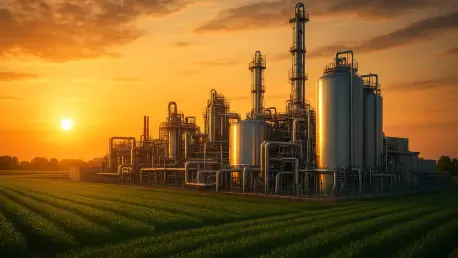

Verbio’s multiple-use approach to biomass ensures that co-products like glycerine reach the pharmaceutical and cosmetic industries, enhancing the circularity of the production cycle. During the 2025/26 financial year, the company demonstrated the immense potential of its integrated biorefining model by achieving record-breaking production volumes across its global operations. With a total output reaching 1.218 million tonnes of biodiesel and bioethanol, the group solidified its position as an industrial powerhouse capable of delivering high-performance renewable fuels at scale. Perhaps even more impressive was the surge in biomethane production, which climbed from 1,190 GWh to 1,410 GWh, reflecting a concerted effort to replace fossil natural gas in both the heating and transport sectors. These operational milestones translated into a significant environmental impact, as the company’s products prevented the release of 4.7 million tonnes of CO2 equivalent into the environment through the displacement of traditional fossil fuels.
Strategic Assets: Biomass and the Future of Energy Security
The current industrial landscape is witnessing what experts identify as a significant paradigm shift, where biomass is no longer viewed merely as a secondary tool for climate mitigation but as a critical component of national energy security. Geopolitical instabilities and the resulting volatility in fossil fuel markets have forced a reevaluation of how Europe powers its heavy industries and logistics networks. By focusing on regional residual materials and agricultural waste, Verbio has successfully created a buffer against external supply shocks, positioning biomass as a strategic asset that supports domestic energy independence. This transition marks a departure from historical energy policies that often prioritized intermittent renewable electricity without accounting for the molecular carbon requirements of various industrial processes. Locally sourced organic matter provides a reliable foundation for a resilient energy mix that balances environmental goals with the practicalities of maintaining an autonomous economic framework.
Within the transport sector, the focus has shifted toward market-ready solutions for heavy-duty freight, where electrification continues to struggle with infrastructure limitations and payload constraints. Liquefied biomethane, or Bio-LNG, has emerged as the primary contender for decarbonizing long-distance logistics because it offers a range of over 1,000 kilometers per tank, matching the operational performance of conventional diesel. Verbio has proactively demonstrated this viability by managing an internal fleet of 170 Bio-CNG and Bio-LNG trucks and establishing a network of 46 filling stations across key transit routes. While these efforts have shown that fuel costs can be reduced by up to 50 percent compared to fossil alternatives, the company emphasizes that the next stage of growth requires a supportive political framework. Incorporating the climate benefits of renewable fuels into truck toll schemes and ensuring equitable tax treatment are essential steps to accelerate the broad adoption of these high-efficiency bio-technologies.
Diversified Global Strategy and Chemical Innovation
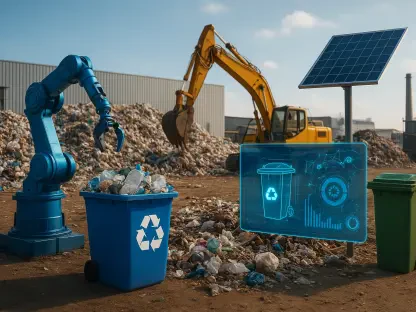
A significant evolution in the group’s strategy took shape at the specialty chemicals plant in Bitterfeld, where a nearly €100 million investment facilitated the production of renewable carbon compounds. Utilizing an advanced ethenolysis process, the facility converted rapeseed-based raw materials into bio-molecules used for lubricants, detergents, and plastics. This move signaled a transition from biofuels to biochemicals, allowing the industry to replace fossil carbon with biogenic alternatives. This defossilization strategy was supported by a circular economy model that extracted maximum value from every tonne of biomass. Biorefineries produced a variety of co-products, including glycerine for pharmaceuticals and phytosterols for the food industry, which improved economic resilience by diversifying revenue streams. By minimizing waste and maximizing utility, the company aligned its operations with the highest standards of efficiency and sustainability, providing a blueprint for the future of the chemical sector.
Verbio’s global footprint successfully expanded into the North American market through the strategic transformation of its South Bend facility, which began dual-production of bioethanol and biomethane. This international growth, supported by a sophisticated trading hub in Geneva, allowed the group to navigate complex trade flows and regulatory shifts with high agility during the 2025/26 period. The integration of localized production with global expertise ensured that the company adapted to price trends and raw material availability. Looking forward, the focus turned toward the necessity of harmonized international policy frameworks to ensure renewable fuels received equitable treatment compared to fossil alternatives. Stakeholders recognized that the path to a sustainable economy required a permanent role for biogenic carbon molecules. This era demonstrated that industrial-scale biomass was no longer a bridge technology but a cornerstone of a resilient, defossilized global future.