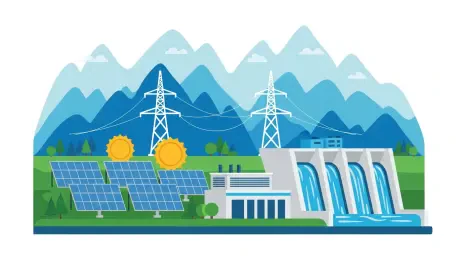

The global energy landscape shifted dramatically as the Kela photovoltaic station officially entered its full operational phase atop the rugged terrain of the Tibetan Plateau, marking a historic milestone in the pursuit of sustainable infrastructure on a planetary scale. This massive undertaking represents the peak of modern engineering by integrating solar power with an existing hydroelectric facility, creating a synchronized system that addresses the inherent intermittency of renewable energy sources. Located in the Yajiang County of Sichuan Province, the facility sits at an average altitude of four thousand meters, where the thin atmosphere provides exceptional solar irradiance but presents significant logistical challenges for construction crews. By connecting the solar panels directly to the Lianghekou hydropower plant via high-voltage transmission lines, the project effectively transforms the sun’s unpredictable output into a steady, reliable stream of electricity for millions of residents. This hybrid approach allows the hydropower component to act as a colossal battery, storing potential energy when the sun is shining and releasing it when clouds gather or night falls, ensuring grid stability.
Engineering the Synergy: Solar and Hydro Integration
Developing a power complex of this magnitude required a sophisticated balancing act that harmonized the rapid fluctuations of solar energy with the mechanical inertia of massive water turbines. The core innovation lies in the digital control system that monitors weather patterns and grid demand in real-time, adjusting the water flow through the Lianghekou turbines to compensate for every cloud that passes over the photovoltaic arrays. This seamless coordination ensures that the total power output remains constant, preventing the frequency instabilities that often plague grids with high concentrations of renewable sources. Engineers implemented advanced forecasting algorithms that predict solar intensity hours in advance, allowing the reservoir levels to be managed with surgical precision to maximize efficiency. By treating the two distinct energy sources as a single unified entity, the facility bypasses the need for traditional chemical battery storage, which remains prohibitively expensive and environmentally taxing when deployed at such a massive utility scale across the region.
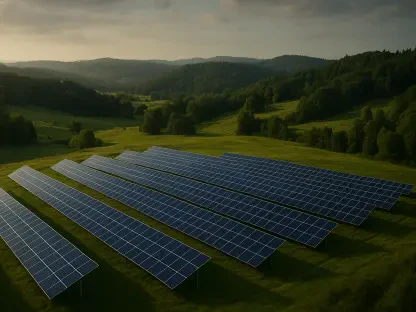
Beyond the internal logic of the grid, the physical installation of over two million solar modules across the mountainous landscape demanded unprecedented logistical solutions to withstand the harsh environment. Workers faced extreme temperature swings, thinning oxygen levels, and high wind speeds that could easily compromise the structural integrity of conventional solar mounting systems. To combat these forces, the design team utilized reinforced steel supports and specialized coatings designed to resist the intense ultraviolet radiation prevalent at high altitudes. The construction process also emphasized ecological preservation, utilizing modular assembly techniques that minimized the footprint on the delicate alpine meadow ecosystem. Maintenance is now managed through a fleet of autonomous drones and robotic cleaners, which reduce the need for human intervention in the oxygen-depleted environment. This reliance on automation not only improved safety but also ensured that the panels operated at peak efficiency by removing dust and snow that would otherwise hinder energy absorption.
Strategic Outcomes: Environmental and Regional Benefits
The environmental dividends of the Kela station are substantial, providing a concrete roadmap for how high-altitude regions can contribute to the global decarbonization effort while supporting local development. Estimates indicate that the combined facility will offset more than six hundred thousand tons of standard coal annually, which prevents the emission of approximately one point six million tons of carbon dioxide into the atmosphere. This reduction is vital for meeting the stringent air quality and climate targets established for the period from 2026 to 2030, demonstrating a clear commitment to phasing out fossil fuel reliance in heavy industry. Furthermore, the project has stimulated the local economy by creating thousands of jobs during the construction phase and fostering a new technological hub for renewable energy research in a previously isolated region. The infrastructure improvements necessitated by the plant, including reinforced roads and enhanced telecommunications, have provided secondary benefits to nearby communities, facilitating better access to markets.
The successful implementation of this hybrid model proved that large-scale energy transitions were possible when geographic advantages were paired with innovative grid management strategies. It was determined that policymakers and energy planners had to prioritize the identification of multi-source energy clusters where existing hydro or wind assets could serve as stabilizers for new solar installations. The project demonstrated that investing in cross-regional transmission corridors was essential to ensure that the clean energy generated in remote areas reached high-demand urban centers effectively. Future strategies were advised to focus on refining these integrated systems to include hydrogen production or geothermal backups, further diversifying the energy mix. By standardizing the regulatory frameworks for hybrid plants, authorities found they could have accelerated the decommissioning of older coal-fired units without risking national grid stability. The lessons learned from the Tibetan Plateau showed that the key to a sustainable future lied in the intelligent orchestration of diverse natural resources.