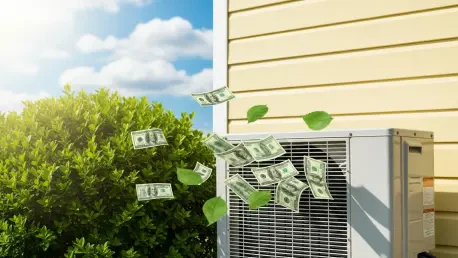

As temperatures across the Southern United States reach record heights, the struggle to maintain a cool indoor environment without incurring astronomical utility expenses has become a central concern for many households. The persistent heatwaves characteristic of the Arkansas summer demand that residents look beyond simple thermostat adjustments to comprehensive energy management strategies. Air conditioning systems often represent more than fifty percent of a standard residential electric bill during peak months, creating a significant financial strain for many families. Entergy Arkansas addressed this challenge by deploying a multi-layered initiative that combined technological innovation with traditional home maintenance guidance. This integrated framework was designed to empower consumers with real-time data while providing immediate relief through structural efficiency and financial aid programs. By examining the intersection of mechanical performance and consumer behavior, the utility company sought to mitigate the economic impact of extreme weather. This approach focused not just on reducing consumption, but on optimizing the existing infrastructure of homes to ensure that every kilowatt-hour served a productive purpose in maintaining comfort.
Mechanical Maintenance: System Health and Filter Optimization
The foundation of a cost-effective cooling strategy began with the mechanical health of the cooling system and the consistent maintenance of the HVAC unit. Regular attention to the ventilation hardware ensured that the machinery operated at peak performance without drawing unnecessary current. For instance, replacing standard fiberglass or pleated air filters every thirty days prevented the accumulation of dust and debris that otherwise forced fans to work harder and consume more electricity. A clean filter allowed for unobstructed airflow, which maintained a consistent pressure within the ductwork and reduced the strain on the compressor during the hottest parts of the day. Beyond simple filter changes, professional inspections of the condenser coils and refrigerant levels were vital to ensuring that the system did not cycle too frequently. These routine mechanical checks, when performed at the onset of the heat, provided a measurable reduction in the energy load required to maintain a steady climate, preventing the system from overworking during the peak cooling seasons.
Structural Integrity: Sealing Gaps and Thermal Barriers
Beyond the internal mechanics of the cooling unit, the physical boundaries of the home required careful inspection to ensure that climate-controlled air remained indoors. Small gaps around window frames and external doors often allowed cool air to escape while drawing in humid, hot air from the outside, effectively undoing the cooling system’s progress. Utilizing inexpensive materials like silicone caulk or adhesive-backed weather stripping proved to be a highly effective way to stabilize indoor temperatures. These minor repairs, when performed consistently throughout 2026 and into the following year, helped to maintain the building envelope’s integrity. Furthermore, addressing leaks in attic spaces and around electrical outlets prevented the “stack effect,” where warm air is pulled into the living area from unconditioned spaces. By securing the perimeter of the home, residents were able to reduce the total runtime of their air conditioning units, which significantly lowered the wear and tear on the equipment while providing a more uniform temperature across different rooms.
Habitual Efficiency: Thermostat Management and Light Control
While mechanical repairs addressed the hardware of the home, daily behavioral adjustments targeted the thermodynamics of living spaces to reduce unnecessary solar gain. Solar heat entering through glass surfaces remained one of the largest contributors to rising indoor temperatures in most Arkansas residences. Keeping heavy curtains or reflective blinds closed during the peak sunlight hours between noon and four o’clock acted as a thermal barrier, effectively reducing the greenhouse effect within the home. Additionally, the practice of setting the thermostat to the highest comfortable temperature—ideally around seventy-eight degrees Fahrenheit—minimized the temperature differential that the cooling system had to overcome. Every degree closer to the outdoor temperature significantly lowered the operational cycle of the compressor. This shift in habit allowed residents to balance their desire for a cool home with the economic reality of energy consumption, ensuring that cooling resources were used only when necessary rather than as a default setting during periods of low occupancy.
Atmospheric Control: Airflow Dynamics and Ceiling Fans
Strategic air circulation represented another low-cost method to enhance physical comfort without relying solely on the heavy machinery of the central air unit. Ceiling fans, when set to rotate in a counter-clockwise direction, created a cooling downdraft that evaporated moisture from the skin, making the air feel significantly cooler than the actual room temperature. This wind-chill effect allowed residents to raise their thermostats by several degrees without sacrificing their personal comfort levels. However, it was also critical to practice active cooling by turning off fans and closing vents in unoccupied rooms to ensure that energy was not wasted on spaces that were not being utilized. Since fans cool people rather than rooms, leaving them running in an empty house provided no benefit and only added to the monthly electric load. By managing airflow and focusing cooling efforts on the rooms currently in use, households were able to optimize their interior environment while keeping their total energy consumption within a sustainable and manageable range.
Digital Oversight: Analyzing Consumption with Smart Dashboards
Transitioning from manual adjustments to data-driven management became possible through the adoption of the myAdvisor digital dashboard provided to all residential account holders. This platform provided a granular view of energy consumption, breaking down electricity usage into hourly, daily, and monthly increments for more precise analysis. By accessing this information through a smartphone or computer, residents could pinpoint exactly when their energy demand peaked, such as during the use of high-heat appliances like ovens or clothes dryers. This transparency removed the guesswork from utility budgeting, as families could visualize their projected bill amounts before the billing cycle concluded. Identifying these patterns allowed for a more strategic distribution of household chores and lifestyle activities, moving energy-intensive tasks to cooler morning or evening hours. This real-time feedback loop transformed the relationship between the consumer and the utility, shifting the focus toward proactive monitoring rather than reactive responses.
Budgetary Stability: Flexible Billing and Payment Schedules
Financial predictability was further enhanced through specialized billing arrangements designed to smooth out the volatility of seasonal energy costs for various demographics. Level Billing emerged as a critical tool for households on fixed incomes or those with strict monthly budgets by calculating a rolling average of a customer’s usage over the previous year. This program replaced high summer spikes with a consistent, manageable monthly payment, preventing the shock of an unusually high July or August bill from disrupting other essential financial obligations. Complementary features, such as the Pick-A-Date option, allowed customers to align their utility due dates with their specific pay schedules, ensuring that funds were available when needed. Furthermore, the integration of AutoPay systems helped residents avoid the pitfalls of late fees and administrative penalties that could accumulate during busy summer months. These administrative solutions provided a necessary layer of financial security, allowing residents to focus on health and comfort.
Financial Aid: Leveraging Federal and Local Assistance Programs
For the most vulnerable populations, the challenge of summer cooling often required direct financial intervention through state and federal support channels and utility partnerships. Entergy Arkansas worked closely with the Central Arkansas Development Council to facilitate the distribution of Low Income Home Energy Assistance Program (LIHEAP) funds. These federal grants provided a lifeline to eligible residents, covering a portion of their cooling expenses during the most extreme heat cycles of 2026 and beyond. Eligibility for these programs often depended on household size and income levels, ensuring that resources were directed toward those at the greatest risk of heat-related illness or financial insolvency. In addition to these grants, the utility offered deferred payment arrangements and short-term extensions for those experiencing temporary hardships. These programs acted as a critical safety net, preventing service interruptions and providing a path toward long-term energy stability for families struggling to balance the rising cost of living.
Community Access: Regional Outreach and Direct Intake Sessions
Ensuring that these support programs reached the residents who needed them most necessitated a robust community outreach and intake strategy spanning multiple Arkansas cities. Throughout the month of July, the utility coordinated a series of in-person events in Camden, El Dorado, Magnolia, and Little Rock to assist with application filings. These events allowed residents to interact directly with company representatives and social service workers to navigate the application processes for financial aid in a face-to-face setting. Providing a physical space for these interactions removed the barriers often associated with complex online portals or long phone wait times for elderly or technologically limited populations. These localized sessions also served as educational hubs where experts demonstrated energy-saving techniques and distributed informational materials to the public. By bringing these resources directly into the community, the utility fostered a sense of partnership, ensuring that the benefits of efficiency were accessible to all residents.
Strategic Resilience: Implementation of Sustainable Cooling Models
The comprehensive strategies implemented to manage summer energy costs established a clear roadmap for long-term residential sustainability and financial resilience in a changing climate. Residents found that the most effective path toward affordability involved a combination of early seasonal preparation and the consistent use of digital monitoring tools to track daily waste. Homeowners who prioritized the annual inspection of their insulation and the sealing of ductwork achieved the greatest reductions in total consumption, while those who engaged with automated billing systems enjoyed significantly reduced financial stress. The integration of community-based financial assistance with personal efficiency measures proved that managing utility costs was a shared responsibility between the utility provider and the consumer. By adopting these actionable steps, households were able to transition from temporary crisis management to a sustainable model of energy conservation. These efforts not only lowered individual bills but also contributed to a more stable power grid.