
The European Union currently stands at a pivotal intersection where the urgent necessity of decarbonizing transport collides with the ecological consequences of traditional mineral extraction. As the demand for electric vehicle batteries surges, the continent faces a daunting challenge: meeting its climate targets without devastating local ecosystems through invasive mining. Research from the German Öko-Institut suggests a transformative pathway toward strategic autonomy that could reshape the industrial landscape by 2040. This approach relies on a dual-track strategy of aggressive resource recovery and systemic shifts in how citizens move. By prioritizing circular economy practices, the EU can significantly reduce its reliance on newly mined materials like lithium and nickel. This shift represents more than just a technological upgrade; it is a fundamental rethinking of the automotive supply chain that balances environmental stewardship with geopolitical security in an increasingly volatile global market.
Resource Recovery: Redefining the Circular Economy
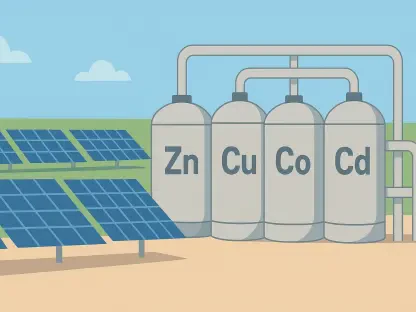
Transitioning to a circular model involves more than just collecting old batteries; it requires a sophisticated infrastructure capable of extracting high-purity minerals from retired components. By 2040, advanced recycling technologies could potentially fulfill up to half of the total demand for lithium and nickel, while cobalt requirements might drop by as much as seventy percent. Such a dramatic reduction would alleviate the pressure on global supply chains and mitigate the need for new domestic mines that often spark public outcry. However, technological innovation must be paired with regulatory rigor to be effective. The European Commission is already looking toward the 2028 to 2034 budget cycle to fund projects that bridge the gap between waste management and material science. This strategy involves incentivizing the design of batteries that are easier to disassemble and refurbish. Furthermore, shifting consumer preferences toward smaller, more efficient electric vehicles rather than resource-heavy SUVs would lower the overall mineral footprint significantly.
Urban Evolution: Strategies for Sustainable Mobility
To achieve these ambitious goals, policymakers prioritized structural changes in urban development and digital work culture. Expanding the Trans-European Transport Network while fostering remote work reduced the frequency of unnecessary journeys and the total number of vehicles on the road. The European Union also updated its Car Labelling Directive to emphasize energy efficiency over sheer battery size, which encouraged manufacturers to innovate within tighter resource constraints. Local perspectives, particularly from regions like Portugal’s Covas do Barroso, played a critical role in shaping these policies by highlighting the environmental risks of unchecked lithium extraction. Ultimately, the transition succeeded because it integrated social equity with ecological preservation, ensuring that decarbonization did not come at the cost of biodiversity. Moving forward, the industrial focus shifted toward strengthening the regulatory framework for secondary raw materials and investing in diversified public transit.