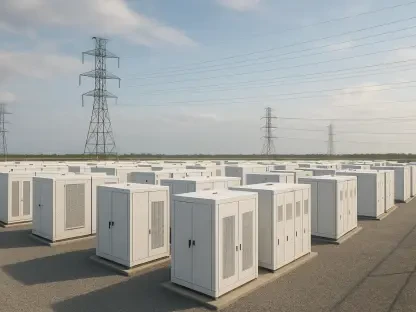

Recent interconnection data from the PSEG-LI territory places SUNation Energy as the third-largest provider of battery installation volumes as of June 2026. This performance highlights a dramatic transformation in how residential energy is managed across the region, shifting the focus from simple energy generation to sophisticated, long-term storage and reliability. As the local electrical grid faces increasing pressure from extreme weather and higher demand from electric vehicle adoption, homeowners have prioritized systems that provide both autonomy and financial stability. The company’s ability to scale these complex installations has been driven by a specialized workforce trained to handle the intricacies of modern lithium-ion solutions. This growth also reflects a broader trend where suburban markets are leading the nation in decentralized power initiatives. By integrating these systems, the provider has demonstrated that residential batteries are now a critical component of the modern ecosystem.
Strategic Implementation: From Hardware Integration to Economic Resilience
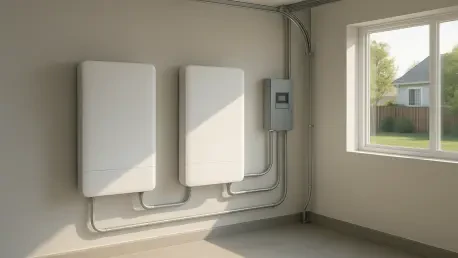
Scaling these operations required a strategic alignment with leading hardware manufacturers, most notably through the deployment of the Tesla Powerwall 3. This hardware was engineered to streamline the installation process by integrating the solar inverter directly into the battery unit, which minimized the labor hours required for each site and reduced potential points of failure. Beyond the physical installation, the company leveraged software platforms to enroll customers in Virtual Power Plant programs. These programs allowed the accumulated energy in these batteries to support the regional grid during periods of peak stress. This participation transformed a passive household asset into an active participant in the energy market, providing utility-grade support while generating credits for the homeowner. As technical expertise grew, the time from contract to interconnection was shortened significantly, allowing for the rapid expansion of the storage footprint across various jurisdictions.
Economic factors played a decisive role in the acceleration of storage adoption, particularly with the continued availability of federal tax credits and local state-level rebates. In the current market of 2026, the combination of these incentives often covered a substantial portion of the initial capital expenditure, making the return on investment much more attractive for households. Additionally, the rising cost of traditional electricity prompted a shift toward self-consumption models, where the primary goal was to avoid purchasing power during expensive peak hours. By storing energy during the day when solar production was at its highest and using it during the evening, homeowners effectively insulated themselves from price volatility. This financial predictability became a powerful selling point, especially as utility rates continued to trend upward. The maturity of the financing market allowed for competitive loan products tailored specifically to solar-plus-storage bundles.
Stakeholders moved toward a more integrated approach by prioritizing modular designs that allowed for future capacity expansions as household energy needs evolved. The focus shifted to the deployment of smart-home integration tools that automated energy discharge during the most expensive billing cycles. Local government agencies expanded training programs for electrical contractors to build a more robust pipeline of certified installers capable of meeting the surging demand. Property owners prioritized the inclusion of storage in their long-term financial planning, treating these systems as essential home improvements. The industry also explored the use of secondary-life battery programs to manage the lifecycle of older units responsibly. These steps ensured that the transition to a storage-heavy residential model remained sustainable and secure. Homeowners who invested in these systems secured their energy independence and contributed to a more resilient community infrastructure.