
The Atlantic coast has long functioned as a primary indicator for the shifting and often volatile patterns of North Atlantic weather, yet the urgency for adaptive infrastructure in Nova Scotia has never been more pronounced. In the lush and historically significant Annapolis Valley, the provincial government is implementing a series of targeted environmental initiatives designed to fortify local townships against the escalating threats of flooding and coastal erosion. By channeling substantial financial resources through the Sustainable Communities Challenge Fund, the Minister of Environment and Climate Change is empowering municipal and non-profit leaders to spearhead high-impact projects. This investment strategy represents a critical shift away from reactive disaster management toward a model of proactive fortification. The fund, established under the 2021 Environmental Goals and Climate Change Reduction Act, has already allocated roughly $15 million to diverse projects that prioritize both physical durability and sustainability.
Proactive Engineering for Flood and Erosion Control
In the town of Kentville, the local administration is prioritizing the modernization of urban stormwater management systems to mitigate the risks of catastrophic inland flooding. A substantial grant of $235,200 has been dedicated to the design and engineering phase of critical upgrades within the Crescent Avenue flood zone, a residential and commercial area identified as particularly susceptible to heavy rainfall events. This specific project focuses on re-engineering drainage pathways and increasing the capacity of subterranean conduits to handle higher volumes of runoff. By investing in these sophisticated engineering solutions, the town aims to prevent the recurring property damage that often follows intense storm cells, which have become more frequent in recent years. Local officials emphasize that modernizing this infrastructure is not merely a technical necessity but a fundamental requirement for maintaining the safety and economic viability of the community. These upgrades serve as a vital defensive layer, ensuring that the town’s core remains functional.
While Kentville focuses on inland water management, the village of Margaretsville is tackling the persistent threat of coastal degradation through a sophisticated blend of traditional and nature-based engineering. The Margaretsville Shore Society is utilizing a $96,310 investment to develop a “living shoreline,” a methodology that incorporates natural vegetation and organic materials to stabilize the coast. This approach is being integrated with strategic repairs to the existing community breakwater, creating a multi-layered defense against the destructive energy of North Atlantic storm surges. By utilizing natural systems to absorb wave energy, the project reduces the impact of erosion on the local waterfront, which is a vital hub for both tourism and residential life. This combination of “hard” and “soft” engineering represents a modern philosophy in coastal management, where the goal is to work with the environment rather than against it. Protecting the shoreline ensures that the socio-economic heart of the village is preserved, allowing it to thrive.
Strengthening Social Infrastructure and Regional Strategy
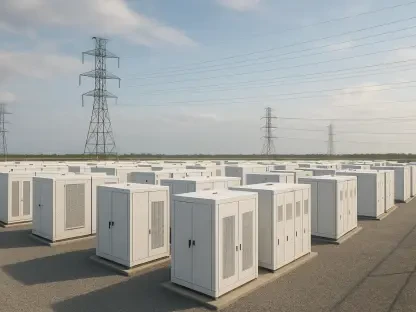
In the district of Canning, the local Lions Club is demonstrating how climate resilience can be directly linked to the enhancement of essential social services and regional food security. With a grant of $132,231, the club is overseeing the installation of an advanced solar energy system equipped with high-capacity battery storage at the Canning Area Food Bank. This innovative project serves a dual purpose by ensuring that the facility remains operational during widespread power outages often triggered by severe coastal storms. Beyond providing a reliable backup power source for refrigerators and lighting, the solar installation significantly reduces the building’s ongoing utility expenditures. The financial savings generated by this transition to renewable energy are then redirected toward community programs and the procurement of nutritional supplies for residents facing economic challenges. This model highlights a growing trend where environmental sustainability is used as a tool to solve immediate social problems, proving that decentralized energy systems provide safety.
The successful implementation of these targeted grants across the Annapolis Valley established a definitive blueprint for how rural regions managed the intersection of climate risk and community development. Authorities recognized that the long-term cost of inaction far outweighed the immediate capital requirements for infrastructure modernization and renewable energy integration. To build upon this momentum, planners prioritized the integration of real-time environmental monitoring systems to assess the performance of the new “living shorelines” and upgraded stormwater conduits. This data-driven feedback loop allowed local engineers to refine their methods and scale successful interventions to other vulnerable areas within the province. Additionally, the initiative fostered a culture of regional collaboration, where neighboring municipalities shared technical expertise and resources to tackle shared environmental challenges. By investing in proactive engineering, Nova Scotia proved that a resilient future depended on the ability of small communities to lead through innovation.