
While asbestos was once valued for its heat resistance, its classification as an extremely hazardous mineral has led to a total ban on its use and handling. In a major public health milestone, the Abu Dhabi Department of Municipalities and Transport (DMT) announced the successful extraction and disposal of 49.840 tonnes of asbestos waste during the first half of 2026. This intensive remediation effort reflects the Emirate’s proactive stance against hidden chemical and physical hazards that threaten both the urban environment and the natural ecosystem. By mobilizing a network of licensed firms specifically trained in contamination-control protocols, the authorities have managed to neutralize significant risks posed by legacy building materials that were once common in construction and industrial infrastructure.
The comprehensive removal operation was launched following the systematic identification of 96 distinct cases involving asbestos-containing materials across the Emirate. Data analysis revealed that the Al Dhafra Region was the primary focus of these efforts, accounting for approximately 95 percent of the reported incidents. Historically, these materials were integrated into roofing, piping systems, and thermal insulation before the global community fully recognized the severe medical consequences associated with fiber inhalation. The current campaign underscores a firm commitment to transitioning toward a safer, pollutant-free environment by addressing these difficult-to-handle, illegally dumped waste deposits that often have no known ownership but present a collective danger to the surrounding communities.
1. Health Implications: Why Asbestos Is Classified as Extremely Hazardous
The danger of asbestos is fundamentally rooted in its physical structure, as it consists of microscopic, needle-like fibers that are entirely invisible to the naked eye. When materials containing these minerals deteriorate due to age, weather exposure, or mechanical disturbance during renovation and demolition, they release a fine dust into the atmosphere. Once airborne, these fibers can be easily inhaled, allowing them to penetrate deep into the lower respiratory tract and lodge themselves within the tiny air sacs of the lungs known as alveoli. The human immune system is largely incapable of breaking down these mineral silicates, meaning the fibers can remain trapped in bodily tissues for decades, causing chronic inflammation and cellular damage.
Over time, this internal irritation can lead to several life-threatening conditions, including asbestosis, which is a progressive scarring of the lung tissue that severely limits oxygen exchange and causes chronic shortness of breath. Furthermore, exposure is the primary cause of malignant mesothelioma, an aggressive and rare form of cancer that affects the lining of the lungs or the abdominal cavity. Because these diseases often have a latency period of 20 to 40 years, the current removal of nearly 50 tonnes of waste is a critical preventative measure that protects future generations from the delayed onset of respiratory illness. The Department of Municipalities and Transport continues to warn that even minimal exposure through maintenance work on older structures can lead to irreversible medical outcomes.
2. Ecological Degradation: Environmental Impact and the Food Chain
Beyond the immediate risks to human health, asbestos waste poses a persistent threat to the delicate balance of the regional ecosystem, particularly in desert environments. When these hazardous materials are improperly discarded or left to erode in the open air, the fibers can eventually mix with the surface soil. Unlike organic pollutants that might break down over time, asbestos is chemically inert and highly durable, meaning it can persist in the environment indefinitely. This long-term contamination is particularly concerning during land reclamation projects or grazing activities, where the disturbance of the topsoil can re-suspend toxic dust into the air, creating a cycle of exposure that extends far beyond the original dump site.
The environmental threat also moves through the food chain, impacting local livestock such as camels and sheep that graze in areas adjacent to old industrial zones or deteriorating structures. As these animals move across the landscape, they may inhale fiber-contaminated dust, leading to respiratory fibrosis and a general decline in their health. Furthermore, the wind-driven nature of desert climates means that asbestos fibers can travel significant distances, potentially compromising air quality in residential areas far from the source of the contamination. The current efforts in Abu Dhabi aim to break this chain of pollution by ensuring that every identified site is fully remediated and that the surrounding environment is restored to a safe and stable condition.
3. Step 1: Site Identification, Inspection, and Licensing
The first critical phase of Abu Dhabi’s asbestos management strategy involves a rigorous survey and evaluation process to pinpoint exactly where these hazardous materials are located. During the first half of 2026, field teams conducted extensive inspections across Al Dhafra and the mainland, documenting nearly 100 specific instances of contamination. These cases often involve legacy building components or waste that has been illegally abandoned in remote areas. By categorizing these as high-priority sites, the Department of Municipalities and Transport can allocate resources effectively, ensuring that no pocket of hazardous material is left to pose a threat to public safety or the natural landscape.
Once a site has been identified and the extent of the asbestos presence is confirmed, the cleanup tasks are delegated exclusively to certified firms with specialized expertise in hazardous waste management. These companies must hold specific licenses that prove their workers have undergone rigorous training in contamination-control protocols and safe dismantling techniques. This regulatory oversight ensures that the removal process does not inadvertently spread the very fibers it is intended to contain. By using only authorized contractors, the Emirate maintains a high standard of operational safety, providing the necessary technical infrastructure to handle toxic minerals that require much more than standard waste management procedures.
4. Step 2: Work Area Sealing and Lockdown Procedures
Once the remediation team arrives on-site, the primary objective shifts to total containment to prevent the migration of fibers into the surrounding atmosphere. This involves blocking off the entire zone using heavy-duty plastic sheeting and industrial-grade isolation barriers that create a physical seal between the contaminated area and the public. In complex cases, such as the interior of old buildings or industrial facilities, technicians install negative-pressure ventilation systems equipped with high-efficiency particulate air (HEPA) filters. These systems ensure that air only flows into the work zone and that any air leaving the area is thoroughly scrubbed of microscopic particles.
This lockdown phase is essential for protecting residents and nearby businesses from airborne dust that might be generated during the dismantling of old pipes or insulation. Every entrance and exit point is strictly controlled, and warning signs are prominently displayed to prevent unauthorized access. The use of specialized containment systems reflects the Emirate’s adherence to international safety standards, recognizing that the smallest breach in a seal could lead to localized environmental contamination. By treating every site as a high-security biohazard zone, the authorities minimize the risk of accidental exposure during the most volatile stages of the removal process.
5. Step 3: Fibre Suppression through Wetting Techniques
To further mitigate the risk of fibers becoming airborne during extraction, technicians employ a critical process known as wet handling or fiber suppression. Before any asbestos-containing material is moved or dismantled, it is thoroughly treated with specialized liquid agents or binding solutions. These liquids penetrate the material and coat the microscopic fibers, significantly increasing their weight and causing them to clump together. This prevents the release of dust that typically occurs when dry asbestos is broken or cut. By keeping the materials consistently damp throughout the extraction phase, the remediation teams can work with a much higher margin of safety.
The chemical binding agents used in this process are specifically designed to remain effective even in the high temperatures of the Abu Dhabi climate. As workers carefully break down building components, they continue to apply the suppressant to ensure that any newly exposed surfaces are immediately neutralized. This technique is particularly effective for friable asbestos, which is the most dangerous form because it can be easily crushed into a powder by hand. Through the diligent application of these wetting protocols, the Emirate has ensured that the 49.8 tonnes of waste removed this year did not contribute to any measurable decrease in air quality during the remediation activities.
6. Step 4: Personal Protective Equipment and Worker Safety
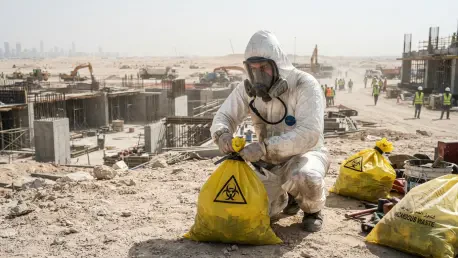
The safety of the personnel involved in these operations is governed by strict mandates regarding personal protective equipment (PPE). Every employee and site manager entering the containment zone is required to wear specialized respiratory apparatuses fitted with high-grade HEPA filters capable of blocking 99.97 percent of microscopic particulates. In addition to respiratory protection, workers must wear full-body, disposable protective garments that leave no skin exposed. These suits are designed to prevent fibers from clinging to the workers’ own clothing or bodies, which could otherwise lead to the secondary transport of hazardous materials outside the work site.
Beyond the physical gear, site safety protocols include mandatory decontamination procedures for every individual leaving the hazardous zone. This often involves a multi-stage shower and filtration process to ensure that no dust remains on the exterior of the safety suits. Once the task is finished, the protective garments themselves are treated as hazardous waste and are discarded according to the same strict regulations as the asbestos they were meant to deflect. This comprehensive approach to worker safety not only protects the individuals on the front lines but also serves as a final line of defense against the cross-contamination of the wider community and the workers’ own families.
7. Step 5: Secure Packaging and Safe Transportation Protocols
The final physical stage of the removal operation focuses on the secure logistics of getting the toxic material from the site to a permanent disposal facility. All asbestos debris is carefully placed into heavy-duty, double-layered bags made of high-density polyethylene. These bags are designed to resist punctures and tears, and they feature prominent hazard labels and warning signs in both Arabic and English. Once the bags are sealed with industrial adhesive tape, they are wiped down to remove any surface dust and then staged for transport in a way that minimizes the risk of accidental breakage.
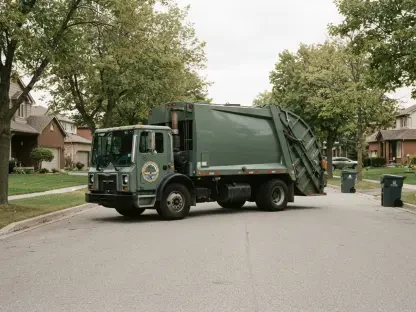
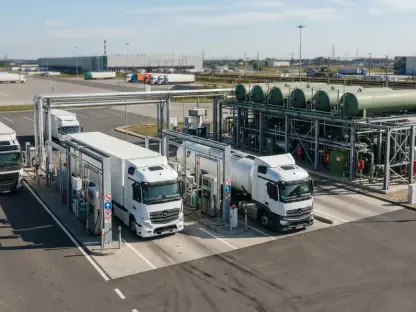
Transportation is conducted exclusively using fully enclosed vehicles that are authorized to carry toxic waste. These trucks follow pre-approved routes to reach designated hazardous waste burial sites that are engineered to prevent any future environmental leakage. At these facilities, the asbestos is buried in specialized cells that are lined and capped to ensure the mineral fibers remain sequestered from the air and groundwater indefinitely. By managing the entire lifecycle of the waste—from its identification in Al Dhafra to its final interment in a secure facility—Abu Dhabi has established a robust framework that effectively eliminates the long-term liability of these dangerous legacy materials.
8. Strategic Oversight: Maintaining Public Health Standards
The successful removal of nearly 50 tonnes of hazardous waste in the first half of 2026 demonstrated the effectiveness of Abu Dhabi’s integrated environmental strategy. By coordinating between the Department of Municipalities and Transport and specialized private sector partners, the authorities provided a decisive response to a complex historical challenge. This initiative not only addressed the immediate physical presence of asbestos in locations like Ghayathi and Al Sila but also reinforced the Emirate’s broader goals of urban sustainability and health protection. The systematic approach to tracking “unknown ownership” waste proved that the government is willing to take responsibility for legacy pollutants to ensure a higher quality of life for all residents.
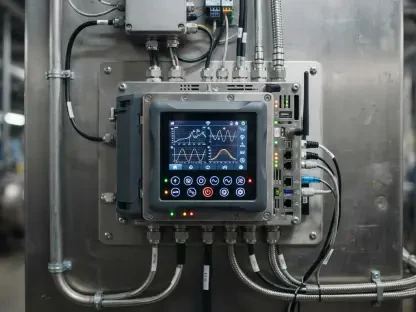
Moving forward, the focus must shift toward enhanced public awareness and the implementation of advanced monitoring technologies at former industrial sites. Residents and developers are encouraged to utilize official reporting channels whenever they encounter suspicious building materials during renovation projects. Establishing a community-wide reporting culture will serve as an early warning system, allowing authorities to intervene before hazardous fibers are released during unmanaged construction work. Additionally, the integration of real-time air quality sensors in high-risk zones could provide a data-driven layer of security, ensuring that the progress made during this year’s campaign is maintained and that any future hazards are identified with even greater speed and precision.