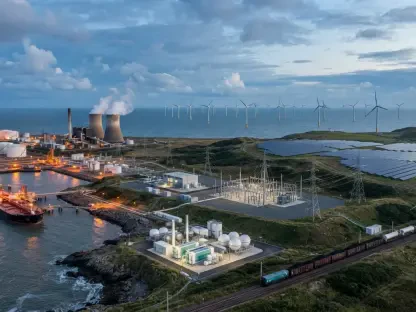

TAKEnergy and Edgecom Energy are among the select firms implementing pilot projects designed to enhance the reliability of the regional electricity service. This ambitious endeavor represents the culmination of the Energy Innovation Challenge, a three-year initiative that transformed the City of Medicine Hat into a living laboratory for emerging technologies. By collaborating with Decentralized Energy Canada, the municipality established a framework where technical potential could meet commercial reality without the usual barriers to entry. Financial backing from Prairies Economic Development Canada, Emissions Reduction Alberta, and Natural Resources Canada ensured that the high-risk nature of these developments did not rest solely on the shoulders of the city or the participating private firms. This multi-sector partnership successfully identified more than forty businesses capable of reshaping the utility landscape, ultimately selecting five primary companies to lead the charge toward a more responsive and modern electricity grid infrastructure.
Scaling Pilot Projects: From Demonstration to Grid Integration
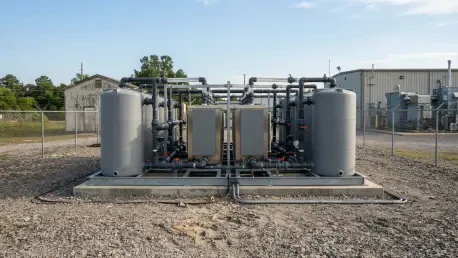
The most prominent technological achievement to emerge from this program involves the deployment of the first saltwater flow battery field demonstration in Canada, a project spearheaded by Aqua-Cell Energy. Unlike traditional lithium-ion systems, this saltwater-based alternative offers a safer and potentially more sustainable method for long-duration energy storage, which is critical for balancing intermittent renewable sources. Currently, the system has entered its commissioning phase, providing engineers with invaluable data regarding its performance in the diverse climatic conditions of southeastern Alberta. This field test serves as a pivotal moment for the technology as it moves from theoretical laboratory models into a functional utility environment where its durability and efficiency are being rigorously assessed. By hosting this demonstration, the city positioned itself at the forefront of the global push for safer battery chemistries, proving that municipal utilities can successfully manage sophisticated hardware.
Beyond the realm of chemical storage, the initiative targeted critical gaps in utility infrastructure through the integration of advanced software and decentralized generation assets. Firms such as Eguana Technologies and Arcobi focused on specialized building energy management systems and localized electricity generation that allow for more granular control over demand and supply. This approach integrates strategic storage utilization with real-time analytics, enabling the utility to optimize its operations during peak load periods. The synergy between these software-driven solutions and physical hardware ensures that the grid remains resilient against fluctuations while reducing the overall carbon footprint of the municipal system. These pilot projects demonstrated that modernizing a utility does not require a complete overhaul of existing assets but rather the intelligent addition of smart technologies that communicate effectively with one another, showing how digital transformation leads to direct cost savings.
The Energy Innovation Challenge concluded as a strategic blueprint for how municipal utilities function as vital engines for national technological advancement. It provided a clear pathway for bridging the gap between initial prototyping and widespread commercial adoption by prioritizing practical, scalable solutions. Stakeholders observed that the shared financial risk between federal agencies and local innovators allowed for the exploration of high-impact technologies that would have otherwise remained unfunded. Moving forward, the focus shifted toward expanding these localized pilots into permanent grid components and encouraging other jurisdictions to adopt similar incubator frameworks. Future energy planning required a commitment to continuous investment in local talent and the adoption of open-access data protocols to facilitate further third-party innovation. By documenting the lessons learned from these five pilot projects, the city established a framework that prioritized resilience and economic diversification.