
To fund a new $127,500 Main Street manager position, administrators have identified twenty-three separate line-item reductions across various municipal departments. This decision highlights a growing trend among local governments to prioritize economic revitalization without imposing additional tax burdens on an already strained resident base. During the recent Council session, officials navigated the complex intersection of municipal finance and public service delivery, acknowledging that the path to a sustainable 2027 fiscal year requires both surgical budget cuts and strategic reinvestments. As the township prepares for upcoming infrastructure demands, the administration is focusing on creating a lean operational model that emphasizes accountability and long-term stability. The challenge remains how to maintain essential services like sanitation and public safety while adapting to the volatile economic conditions that define modern local governance. This meeting served as a critical platform for debating these priorities and ensuring transparency.
Addressing Fiscal Policy and Sanitation Management
Budget Adjustments: Sanitation and Utility Fee Structures
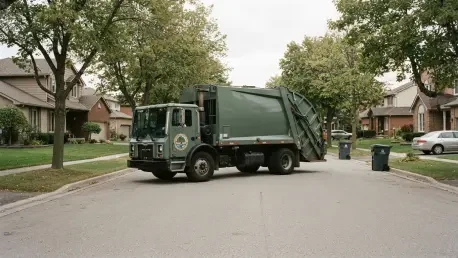
The administration significantly altered its approach to the 2027 sanitation fee, responding to concerns regarding the rising cost of living for residents. Originally, a $100 increase was proposed to ensure that the sanitation fund could operate as a standalone entity, independent of general tax subsidies. However, Acting Finance Director Diane Scutti announced that this hike would be reduced to $50, bringing the total annual fee for households to $375. This adjustment represents a compromise intended to mitigate the immediate financial impact on taxpayers while still moving toward a more sustainable utility model. By halving the proposed increase, the township signaled its willingness to absorb some of the operational costs through other means, acknowledging that a sudden triple-digit spike might place undue pressure on low-income families. This shift reflects a cautious fiscal strategy that values gradual adjustments over abrupt changes, ensuring that the community can adapt to the new fee structure without facing significant hardship.
To bridge the gap created by the reduced sanitation fee increase, the Council outlined a plan to transfer approximately $1.36 million from the general fund into the sanitation budget. This financial maneuver involves the use of $232,791 from current revenue sources and an additional $1.12 million from the existing general fund balance. The administration’s stated goal is to eventually transition the sanitation department into a fully self-supporting model, where user fees cover the entirety of trash collection and disposal costs. By moving away from general fund subsidies, the township hopes to preserve tax revenues for broader public works, infrastructure repairs, and community programs that benefit the entire population. This philosophical shift acknowledges that utility services are distinct from general government functions and should ideally be funded by those who consume them. While the transition is ongoing, the use of fund balances serves as a temporary buffer, allowing the township to maintain service levels without the need for tax hikes.
Departmental Reallocations: Balancing Growth and Fiscal Discipline
A motion to transfer over $952,000 in unencumbered funds from 2026 appropriations back into the general fund balance sparked a significant debate regarding fiscal discipline and budgetary accuracy. Chief Administrative Officer Crandall Jones described the move as a routine adjustment, noting that the amount represents less than one percent of the township’s $104 million budget. These funds were pulled from various departments, including $500,000 from contingency needs and over $227,000 from the Licenses and Inspections department. The redirected resources are intended to cover unforeseen expenses in legal services, emergency management, and human resources. However, Councilmember Kyle McIntyre raised concerns about the potential for a slippery slope if the budget is frequently adjusted mid-year, emphasizing that the administration must strive to live within its original means. In response, Jones argued that a budget is a living document that must account for fluctuating costs, such as fuel and professional services, that often change.
Beyond the immediate transfers, the 2027 budget proposal emphasizes personnel shifts designed to foster local economic growth without expanding the overall payroll. The newly created Main Street manager position is intended to serve as a catalyst for business development and downtown revitalization, roles that are increasingly seen as vital for the township’s long-term commercial health. By identifying twenty-three separate line reductions to fund this role, the administration demonstrated a commitment to internal efficiency and the prioritization of economic development. This reallocation strategy suggests that the township is moving toward a more specialized administrative structure, where specific roles are created to address the unique challenges of modern urban planning. Council members remain focused on ensuring that these internal shifts lead to tangible improvements in the local business climate, ultimately creating a more vibrant and self-sustaining community. The success of this model will depend on the manager’s ability to attract new investment.
Operational Oversight and Future Development
Emergency Services: Transparency in Fuel Management
The session also addressed a complex inquiry into a long-standing fueling arrangement between the Garrettford-Drexel Hill Volunteer Fire Company and the local paramedic unit. Councilmember Noah Fields had previously raised flags regarding a lack of formal oversight in the system, which involved the township reimbursing the fire company for fuel used by paramedic vehicles. This arrangement, while functional for many years, lacked the modern tracking mechanisms necessary to prevent billing errors or ensure complete transparency. Representatives from both organizations provided testimony, with Paramedic Chief Ron Berardocco defending his organization’s record-keeping and noting that they provide services at a significantly lower cost than neighboring jurisdictions. However, the volunteer fire company’s leadership noted that the reimbursement process was often slow, sometimes taking up to sixty days, which created a strain on their operational cash flow and complicated the accounting for shared municipal resources.
To address these systemic flaws and enhance accountability, the township announced a transition to a comprehensive fleet fuel card system for all emergency response units. This technological upgrade will provide real-time tracking of fuel consumption, ensuring that every gallon is accounted for and billed correctly to the appropriate department. By moving away from the manual reimbursement model, the township aims to eliminate the possibility of double-charging and reduce the administrative burden on volunteer fire organizations. The fire company recently issued a check for $7,861 to the township to settle previous overpayments, a move that highlights the necessity of the new system. This transition to fuel cards represents a broader effort to modernize municipal operations and implement professional standards of financial oversight across all public safety entities. Both the paramedics and the fire company expressed relief that the new system would provide clarity and directness in billing, allowing them to focus on their primary mission of saving lives.
Future Perspectives: Economic Revitalization and Administrative Reforms
The meeting concluded with a forward-looking discussion on the redevelopment of the 69th Street business district, which was poised to become a major hub for regional activity. Leaders pointed to several key projects, including the transformation of the historic McClatchy building into a fitness center and the potential redevelopment of the old Sears site into a movie theater complex. These initiatives were viewed as essential components of a strategy to revitalize the downtown core and attract new investment. Council members emphasized that these developments would be bolstered by potential federal designations aimed at promoting urban growth and infrastructure improvement. The successful implementation of these plans required a coordinated effort between local government, private developers, and the community. By streamlining the fee structure and improving administrative oversight, the township took concrete steps toward creating an environment where large-scale projects could thrive. The focus shifted toward ensuring that these investments yielded tangible benefits for all residents.