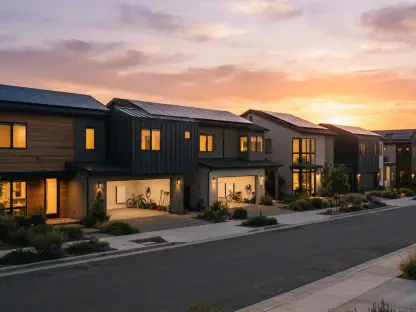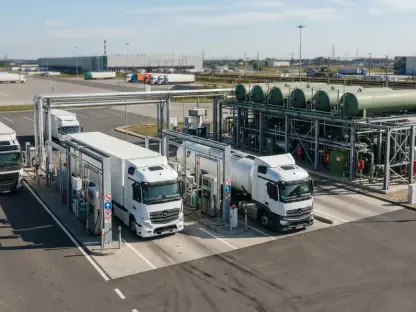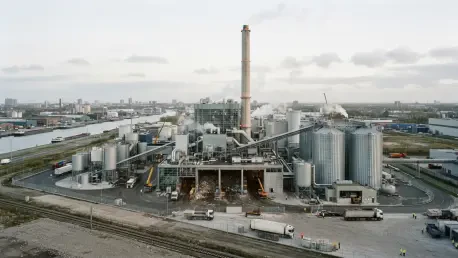

Establishing a scalable blueprint for waste management in new residential cities is essential for tackling Kuwait’s massive 40-million-ton annual trash output, especially as urban expansion accelerates and traditional reliance on sprawling landfills becomes an unsustainable burden on both the environment and public health. Renewable energy expert Salem Al-Ajmi has spearheaded a transformative study that advocates for a departure from these antiquated methods, proposing a technology-driven circular economy instead. The focus centers on Al-Mutlaa Residential City, where the sheer volume of daily refuse presents a unique opportunity to pilot modern waste-to-energy solutions. By viewing trash not as a liability but as a valuable fuel source, Kuwait can begin to mitigate the ecological damage caused by decades of uncontrolled dumping. This strategic shift requires a sophisticated integration of incineration technology and digital infrastructure to ensure that every ton of discarded material is accounted for and utilized efficiently. Ultimately, the proposal seeks to align national waste management with global sustainability standards, providing a clear path toward a cleaner and more energy-secure future for the region.
Integrated Solutions: Thermal Conversion and Digital Logistics
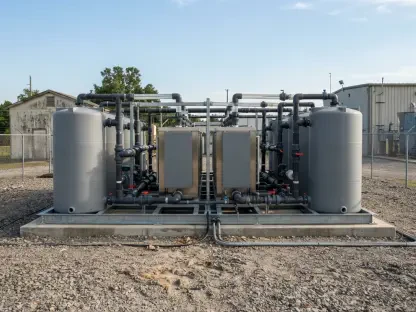
The sheer scale of waste generation in Al-Mutlaa Residential City serves as the primary driver for the implementation of a dedicated waste-to-energy facility. Projections indicate that the city will produce approximately 225,000 tons of waste annually, which translates to a daily output of roughly 620 tons from household and commercial activities. Processing this significant volume through advanced incineration technology allows for the recovery of energy that would otherwise remain trapped in decomposing matter within a landfill. Estimates suggest that a modern facility in this location could generate approximately 70 gigawatt-hours of electricity each year, contributing a stable supply to the local grid. This conversion process effectively reduces the physical volume of waste by up to 90 percent, drastically extending the lifespan of existing land resources. By prioritizing high-capacity thermal treatment, the municipality can transform a growing environmental challenge into a consistent stream of power that supports the residential infrastructure of the expanding urban center.
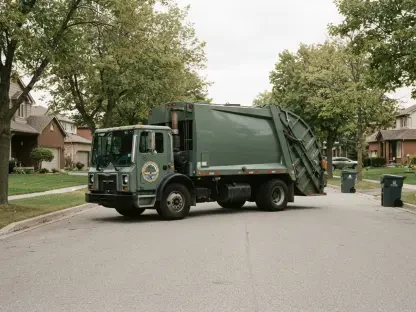
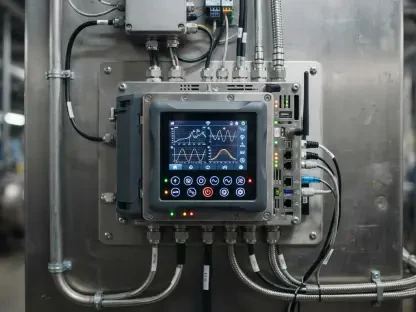
Beyond the physical infrastructure of power plants and treatment facilities, the strategy emphasizes the importance of sorting at the source through a digital transformation of the logistics chain. The introduction of a dedicated electronic platform, known as Green Cycle, is designed to serve as the vital link between waste producers and recycling companies. This digital ecosystem allows residents, commercial businesses, and industrial operators to log their waste output and coordinate with licensed collection services in real time. By digitizing the waste stream, the government can organize collection routes more efficiently, reducing the carbon footprint of the heavy vehicles used in transport. The Green Cycle platform also provides a transparent mechanism for tracking materials from the point of disposal to the final processing stage. This level of oversight is crucial for discouraging illegal dumping, which has historically plagued remote areas and strained municipal resources. Empowering citizens with digital tools fosters a culture of accountability and participation in the circular economy.
Future-Proofing Infrastructure: Actionable Steps for National Scalability
As Kuwait progressed through 2026, the implementation of the Al-Mutlaa pilot project was viewed as a definitive turning point in the national waste management strategy. The country recognized that tackling a total waste output exceeding 40 million tons required a transition away from monolithic, unmanageable landfills toward localized, scalable solutions. By successfully integrating waste-to-energy technology and digital sorting platforms in a new residential city, the government established a replicable blueprint for other developing urban areas. This proactive stance significantly reduced the health risks associated with traditional dumping sites, such as soil contamination and the release of hazardous methane gas. The project also played a critical role in decreasing the nation’s overall dependence on fossil fuels for electricity generation, diversifying the energy mix during a period of rapid economic growth. These initiatives collectively supported the broader vision of achieving carbon neutrality, demonstrating that targeted investments in circular technology can yield substantial environmental and economic dividends.
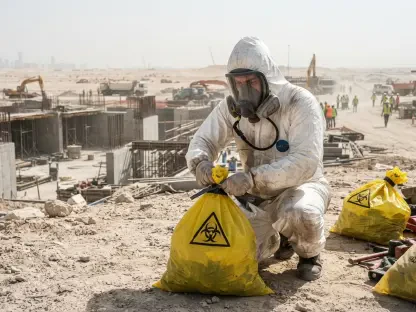
Moving forward, the success of this initiative necessitated several critical next steps to ensure long-term sustainability across the entire Kuwaiti landscape. The expansion of the Green Cycle platform was prioritized to include older residential districts, ensuring a unified national database for waste tracking and management. Legislative frameworks were updated to mandate waste-to-energy integration in all future city planning, making it a standard requirement rather than an optional pilot. Additionally, public-private partnerships were incentivized to drive further innovation in the recovery of specialized materials like electronics and hazardous industrial refuse. Investing in the education of the workforce remained paramount, as the operation of advanced thermal facilities and digital logistics networks required specialized technical expertise. By maintaining this momentum, the state transitioned from a linear “take-make-waste” model to a robust circular economy that preserves resources for future generations. These efforts grounded Kuwait’s transformation in the principles of efficiency and health.