
The construction of Western Sydney International Airport represents a seismic shift in how aviation infrastructure balances rapid economic expansion with the rigorous demands of environmental preservation. As operations scale up during 2026, the facility serves as a living laboratory for carbon-neutral aviation, demonstrating that large-scale hubs can function without leaving a heavy ecological footprint. This objective is not merely an aspirational goal but a foundational requirement embedded into every phase of the project development, from the initial earthworks to the final terminal finishes. By prioritizing a holistic approach to sustainability, the airport management addresses the complex challenges of energy consumption, resource scarcity, and emissions. The strategy involves a combination of advanced building materials, renewable energy procurement, and a commitment to operational efficiency that sets a new global benchmark for the industry. Such efforts underscore a broader transition toward green aviation that is reshaping regional development.
Structural Integrity Through Green Engineering
Passive Design: Energy Mitigation Strategies
The architectural framework of the passenger terminal incorporates sophisticated passive design principles that significantly reduce the reliance on artificial climate control and lighting systems. High-performance glazing and strategic building orientation allow the facility to harness natural daylight while minimizing solar heat gain, which is critical during the intense heat of the Australian summer. This design philosophy ensures that the interior remains comfortable for travelers without requiring excessive energy consumption for air conditioning. Furthermore, the installation of automated louvers and shading devices modulates internal temperatures by responding to real-time weather conditions monitored by a centralized building management system. By integrating these features, the airport achieves a substantial reduction in its baseline energy demand, creating a ripple effect that eases the load on the local electricity grid and lowers operational costs. This structural efficiency provides a robust foundation for achieving net-zero goals by curbing emissions at the source.
Beyond the immediate energy efficiency of the terminal building, the project emphasizes the use of sustainable materials that minimize the carbon footprint associated with the construction phase. Massive quantities of recycled steel and low-carbon concrete mixes were utilized during the structural assembly to significantly lower the embodied carbon levels of the entire precinct. Engineers worked closely with suppliers to source materials that incorporate industrial byproducts, such as fly ash and slag, which replace a portion of traditional cement. This choice not only diverts waste from landfills but also results in a more durable and environmentally friendly infrastructure that can withstand the test of time. The procurement process also favored local suppliers to reduce the emissions generated by long-distance transport of heavy building components. By focusing on the lifecycle of materials, the airport demonstrates a comprehensive commitment to sustainability that extends well beyond the day-to-day operations of flight schedules and passenger services.
Holistic Water Stewardship: Landscape Resilience
Water stewardship is another critical pillar in the airport strategy to reach net-zero operational impact, particularly in a region prone to fluctuating rainfall patterns and periodic drought. The site features an extensive network of rainwater harvesting systems designed to capture and store runoff from the vast roof areas and paved surfaces. This harvested water undergoes on-site treatment before being redirected for non-potable uses, such as cooling towers, toilet flushing, and landscape irrigation. By significantly reducing the demand for municipal potable water supplies, the airport preserves a vital local resource and ensures a higher degree of operational resilience. Furthermore, advanced greywater recycling systems process wastewater from terminal sinks and showers, allowing it to be reused multiple times within the facility ecosystem. This circular approach to water management minimizes the environmental strain on the surrounding catchment areas and serves as a model for other large-scale infrastructure projects seeking to optimize resource utilization.
Protecting the local biodiversity of the Cumberland Plain is integral to the broader environmental management plan, ensuring that the physical footprint does not compromise the health of surrounding ecosystems. Extensive landscaping efforts utilize native plant species that are well-adapted to the local climate, requiring minimal chemical fertilizers and supplemental watering. These green corridors provide essential habitats for local fauna and help to mitigate the urban heat island effect often associated with large expanses of concrete and asphalt. Soil health is also monitored closely to prevent erosion and contamination, with sediment basins and bio-retention swales filtering runoff before it leaves the site. This focus on ecological health extends to the management of noise and light pollution, with systems designed to minimize disturbances to nocturnal wildlife in adjacent protected areas. By fostering a symbiotic relationship with the environment, the airport proves that modern transportation infrastructure can coexist with nature while actively contributing to regional conservation.
Clean Energy: Zero Emissions Logistics
Solar Infrastructure: Smart Grid Integration
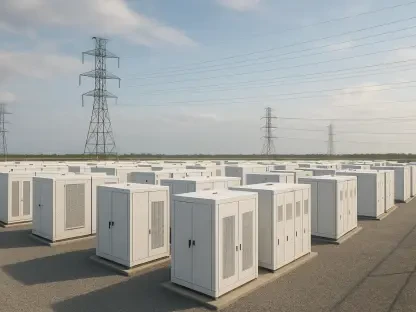
The transition to a net-zero energy profile is driven by a massive investment in renewable power generation, specifically through the deployment of thousands of solar panels across the airport precinct. These solar arrays are strategically positioned on the terminal roof and in dedicated solar farms on the periphery of the airfield to maximize energy capture throughout the day. This on-site generation capacity provides a significant portion of the electricity needs, powering everything from baggage handling systems to security screenings. During periods of peak sunlight, the excess energy generated is used to charge large-scale battery storage systems or is fed back into the local grid, supporting the broader community transition to green energy. By generating power at the point of use, the airport avoids the transmission losses associated with long-distance electricity transport. This autonomy from fossil-fuel-based power sources is a cornerstone of the long-term sustainability strategy and provides a stable, predictable energy cost structure.
Integrating these renewable sources into a sophisticated smart microgrid allows for the seamless management of energy distribution throughout the massive airport complex. This digital infrastructure uses artificial intelligence to predict energy demand based on flight schedules, weather forecasts, and real-time passenger flow. By dynamically adjusting the distribution of power, the microgrid ensures that energy is never wasted and that critical systems always have a reliable supply. For instance, cooling systems can be pre-chilled during hours of high solar production to reduce the load during the evening when generation drops. This level of granular control is essential for maintaining a net-zero balance without compromising the safety or comfort of airport users. Furthermore, the microgrid provides a platform for testing emerging technologies, such as hydrogen fuel cells or advanced thermal storage, as they become commercially viable. This forward-thinking approach to energy infrastructure positions the airport as a leader in the global push for carbon-neutral industrial hubs.
Decarbonizing Mobility: Airside Ground Operations
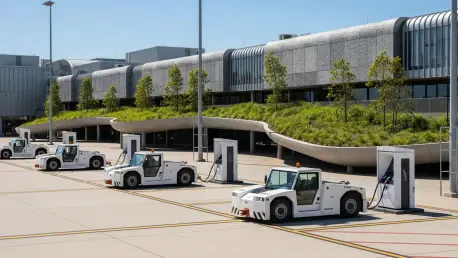
Decarbonizing airside operations represents one of the most challenging aspects of achieving net-zero status, yet the airport has made significant strides by mandating the use of electric ground support equipment. Traditional diesel-powered tugs, loaders, and belt systems are being phased out in favor of battery-electric alternatives that produce zero tailpipe emissions and significantly less noise. This transition not only improves the air quality for ground crews but also reduces the overall carbon intensity of each flight turnaround. To support this shift, the airport has installed a comprehensive network of fast-charging stations throughout the airfield, ensuring that equipment remains operational without long periods of downtime. Additionally, the facility is designed to support the future adoption of sustainable aviation fuels by providing the necessary storage and blending infrastructure for airlines. By facilitating the use of cleaner fuels and electric ground vehicles, the airport actively assists its airline partners in meeting their own environmental targets.
The commitment to net-zero extends beyond the airport perimeter through the integration of sustainable ground transportation options for passengers and staff. High-speed rail connections and dedicated electric bus corridors provide efficient, low-emission alternatives to private vehicle travel, which traditionally accounts for a significant portion of an indirect carbon footprint. The precinct features extensive electric vehicle charging infrastructure in all parking areas, encouraging the adoption of zero-emission cars among travelers. Furthermore, active transport options, such as cycling paths and pedestrian walkways, connect the airport to surrounding business parks and residential areas, promoting a healthier and greener commute. These initiatives are part of a broader strategy to create a seamless, multi-modal transport hub that prioritizes environmental responsibility. By reducing the reliance on internal combustion engines for landside access, the airport helps to lower regional greenhouse gas emissions and sets a new standard for how major infrastructure projects influence development.
Strategic Outcomes: Future Pathways for Global Aviation Hubs
The development of Western Sydney International Airport established a clear roadmap for how complex infrastructure projects successfully navigated the path to environmental sustainability. By integrating passive design, renewable energy, and circular resource management, the facility proved that economic growth did not have to come at the expense of the planet. Stakeholders recognized that achieving net-zero required a fundamental shift in procurement and operational logic, moving away from short-term cost savings toward long-term resilience. Looking ahead, other global hubs should prioritize the early adoption of microgrid technologies and mandate the electrification of ground support equipment to see immediate results in emissions reduction. It was also demonstrated that collaboration between airport authorities, airlines, and local governments was essential for creating the necessary infrastructure for sustainable aviation fuels and green transport links. These actions provided a scalable model that ensured the aviation sector remained viable in a carbon-constrained world.