
The Dawn of a Unified Smart Energy Ecosystem
As the automotive landscape pivots toward a decarbonized future, the transformation of electric vehicles from mere transportation tools into mobile power plants has become the definitive frontier for global energy security and consumer cost management. Hyundai Motor Group has officially unveiled AllDayEnergy, a dedicated global entity designed to centralize and streamline Vehicle-to-Everything (V2X) services for Hyundai, Kia, and Genesis owners. This ambitious initiative signals a definitive shift from a traditional automotive manufacturer to a comprehensive provider of smart energy solutions. By consolidating management under a single brand, the Group aims to provide a software-driven experience that allows owners to interact with the power grid in unprecedented ways.
From Internal Combustion to Integrated Grid Solutions
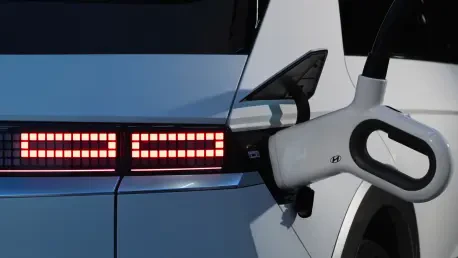
The transition toward V2X services is the culmination of years of strategic development within the Hyundai Motor Group. As a leader in mass-market electric vehicles, the company recognized that EVs are essentially “batteries on wheels,” a realization that reshaped its long-term roadmap. The foundational hardware for this shift was established with the introduction of the Electric-Global Modular Platform (E-GMP), which powers models like the Ioniq 5 and Kia EV6. These vehicles were engineered with bidirectional charging potential, though the software and regulatory infrastructure are only now catching up. AllDayEnergy represents the necessary link designed to bridge the gap between hardware capabilities and the requirements of the modern electrical grid.
A Phased Approach: Intelligent Energy Management
Step 1: Enhancing Efficiency Through Smart V1G Charging
The global rollout of AllDayEnergy begins with a focus on smart charging, commonly known as V1G. This service debuted in the United Kingdom via the Kia app in the second quarter of 2026, followed by planned expansions in Korea, Europe, and the United States. V1G technology allows the vehicle to communicate with the grid to optimize charging times, typically prioritizing off-peak hours when electricity is cheapest. For the consumer, this translates directly into lower utility bills. For the grid, it reduces strain during peak demand periods, facilitating a more stable environment for integrating intermittent renewable energy sources such as wind and solar.
Part 2: Expanding into Bidirectional V2H and V2G Capabilities
As the platform matures, it will move beyond one-way charging to embrace bidirectional energy flow, specifically Vehicle-to-Home (V2H) and Vehicle-to-Grid (V2G). These services allow an EV to discharge its battery to power a household during a blackout or sell excess energy back to the utility during high-demand periods. While the E-GMP architecture is ready, these advanced applications currently require specialized third-party hardware. Kia’s partnership with Wallbox provides the necessary bidirectional DC chargers to make V2H a reality. By internalizing these services, Hyundai aims to simplify hardware procurement, making home energy management a frictionless part of the EV buying process.
Navigating Complexity: Fragmented Utility Landscapes and Regional Nuance
The successful deployment of V2X services is not merely a technological hurdle but a regulatory and logistical one. This is particularly evident in the United States, where the utility landscape is fragmented into roughly 3,000 different distribution companies, each with its own set of rules. To manage this complexity, AllDayEnergy must navigate a patchwork environment that has seen other automakers form alliances like ChargeScape. By establishing its own entity, Hyundai is betting on a dedicated team to negotiate these regional nuances, ensuring that owners receive a consistent, high-quality energy management experience regardless of their local utility provider.
The Future of Mobility: Sustainable Utility Assets
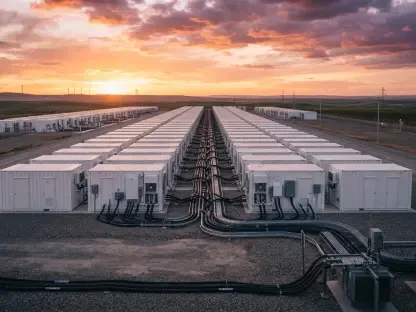
The launch of AllDayEnergy reflects a broader industry consensus that the future of electric mobility is inextricably linked to smart energy management. In the coming years, deeper integration between vehicle software and home automation systems is expected, where AI-driven algorithms decide the most cost-effective time to charge or discharge a vehicle based on real-time market prices. Furthermore, as regulatory frameworks modernize, the collective battery capacity of millions of EVs could serve as a virtual power plant. This shift will likely drive new economic models where EV ownership provides a stream of passive income through grid-stabilization services, fundamentally changing the total cost of ownership.
Strategic Takeaways: The Modern EV Era
The introduction of AllDayEnergy provides several key insights for consumers and industry stakeholders. First, the value of an electric vehicle is increasingly tied to its software and its ability to integrate with the energy grid. Second, the move toward V2X emphasizes the importance of choosing a vehicle platform—like E-GMP—that is future-proofed for bidirectional charging. For businesses and homeowners, the recommendation is to begin considering the EV as a core component of a broader energy strategy. By staying informed on the rollout of these services, users can leverage AllDayEnergy to lower their carbon footprint, reduce energy costs, and contribute to a more resilient electrical infrastructure.
Conclusion: A Paradigm Shift in Energy and Transportation
The launch of AllDayEnergy represented a strategic repositioning that acknowledged the changing nature of the automotive industry. By centralizing V2X services, the Hyundai Motor Group ensured that its vehicles remained at the center of the clean energy transition. This move toward integrated, bidirectional energy management empowered consumers to take control of their energy consumption, transforming their vehicles into active participants in a global power ecosystem. Future considerations focused on the necessity of standardizing communication protocols between vehicles and local grids to ensure that these mobile assets could provide maximum benefit to the environment and the economy simultaneously.