
As temperatures across the Atlantic coast begin their seasonal ascent toward record-breaking peaks, the regional electrical infrastructure faces its most rigorous evaluation to date following a period of unprecedented load growth. This year has seen a significant shift in energy consumption patterns, primarily driven by the rapid expansion of high-density computing facilities and the continued electrification of residential cooling systems throughout the Northeast. Grid operators have spent the preceding months executing a comprehensive readiness strategy designed to mitigate the risks of localized outages while maintaining stable voltage levels across several thousand miles of transmission lines. By coordinating with local utilities and independent power producers, the regional authority has established a robust buffer of dispatchable capacity that exceeds standard reliability requirements. This proactive stance is essential for navigating the complex interplay between rising ambient temperatures and the technical limitations of aging hardware that still populates certain corridors.
Enhancing Grid Resilience Through Modernization
Implementation of High-Efficiency Transmission Technology
Central to the current readiness plan is the widespread deployment of advanced conductor technologies that allow for significantly higher thermal limits on existing rights-of-way. By replacing older aluminum cables with modern carbon-core or composite-matrix alternatives, utilities have increased the throughput of critical corridors by nearly forty percent without the need for extensive new construction. This physical hardening is complemented by the installation of dynamic line rating sensors that provide real-time data on wind speed and ambient temperature. These sensors enable operators to push more power through lines during cooler periods, effectively expanding the usable capacity of the network. Such granular control is vital during the late afternoon hours when solar generation begins to taper off while air conditioning demand remains at its daily peak. This technological integration ensures the system remains flexible under stress, providing a necessary safety margin for the regional electricity market.
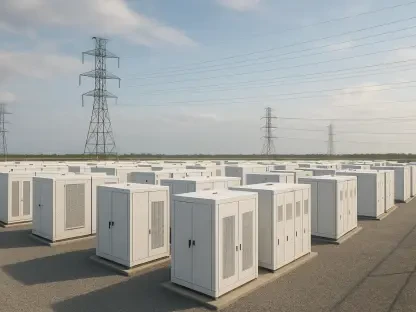
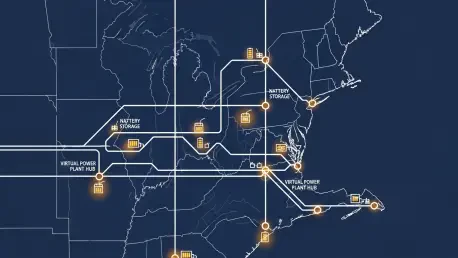
Beyond physical upgrades, the integration of utility-scale battery energy storage systems has reached a critical mass, providing a necessary bridge during periods of sudden frequency fluctuations. These installations are strategically positioned near high-demand urban centers, allowing for rapid discharge during localized peaks and reducing the strain on long-distance transmission assets. The current year has seen the commissioning of several multi-megawatt facilities that utilize long-duration iron-air chemistry, offering a more sustainable alternative to traditional lithium-ion configurations for multi-hour discharge cycles. These storage assets act as a shock absorber for the grid, absorbing excess renewable energy during midday hours and releasing it precisely when the primary generation fleet faces the highest stress. This synchronized operation between storage and transmission represents a fundamental shift in how the Northeast manages its energy balance during the hottest months of the year.
Integration of Virtual Power Plants and Demand Response
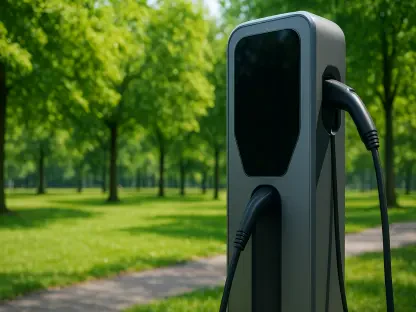
The second pillar of the summer strategy involves the aggressive utilization of virtual power plants which aggregate thousands of smaller, decentralized resources into a single controllable entity. Through smart thermostat programs and industrial load-shedding agreements, the grid operator can now call upon hundreds of megawatts of flexible capacity within seconds of a supply-demand imbalance. This digital layer of the infrastructure allows for a more responsive grid, where consumers are compensated for shifting their usage away from peak periods. Furthermore, the integration of electric vehicle fleet management software has enabled the bidirectional flow of energy, turning parked cars into a distributed reservoir of power. These programs have successfully lowered the projected peak demand by several percentage points, creating an additional layer of reliability. The coordination of these diverse assets demonstrates a sophisticated approach to grid stability in a changing climate.
The successful preparation for the current summer season established a clear blueprint for future infrastructure projects aimed at enhancing regional energy security. Engineers and policymakers recognized that the combination of physical transmission upgrades and digital demand management was the most effective way to handle the surging requirements of high-tech industries. Moving forward, the industry should prioritize the standardizing of communication protocols between different utility territories to ensure seamless energy sharing during localized weather crises. Investing in long-duration storage technologies will also be a critical next step to bridge the gap between intermittent renewable generation and continuous industrial demand. Grid operators demonstrated that a diversified approach to resource management could effectively mitigate the risks associated with extreme heat. These actions provided a stable foundation for the next phase of the energy transition, ensuring the grid remained a reliable driver of growth.