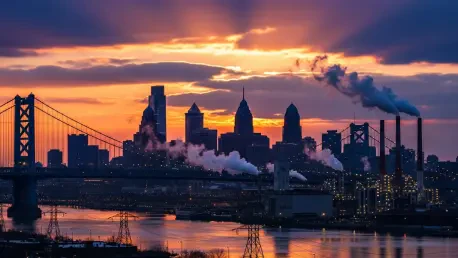

Municipalities across the United States are increasingly searching for sustainable ways to revitalize aging urban infrastructure without straining already limited public budgets or overburdening the local taxpayer base. The Philadelphia Energy Campaign has emerged as a preeminent example of how strategic public-private partnerships can fundamentally reshape a city’s fiscal and environmental landscape through intentional investment. Originally launched with a vision for long-term sustainability, the initiative has successfully bridged the gap between idealistic environmental policy and practical economic development by focusing on high-return efficiency projects. This endeavor has transitioned from a localized pilot program into a robust economic catalyst that has fundamentally altered how the city manages its energy consumption and utility infrastructure. By leveraging relatively small amounts of public seed money, the program has unlocked a massive flow of private capital, demonstrating that green initiatives can serve as the primary drivers for urban renewal and job creation. Recent data indicates that the campaign has delivered a massive return on investment, converting $14.7 million in city operating funds into $1.3 billion in direct economic impact. This influx of capital has created over 11,000 jobs and generates more than $130 million in annual investments for infrastructure upgrades that benefit the entire region.
Maximizing Local Resources Through Targeted Investments
Operational Success: The Jenga Methodology
The tactical core of this initiative relies on what stakeholders describe as the Jenga approach, a meticulous strategy that focuses on enhancing existing systems while maintaining the structural integrity of daily city operations. Rather than attempting a complete and disruptive overhaul of municipal facilities, the program identifies specific, high-impact components that can be modernized with minimal interference to public services. A primary example of this methodology is the massive transition to LED street lighting, which involved the replacement of roughly 130,000 fixtures across the city. This project did not just improve visibility and public safety but also drastically reduced municipal electricity expenditures, allowing those savings to be reinvested into other critical areas of the city budget.
Beyond the streets, this methodology has been applied to iconic cultural landmarks, such as the Philadelphia Museum of Art, which underwent energy retrofits to modernize its climate control and lighting systems. These projects require a delicate balance of preserving historic architectural integrity while integrating cutting-edge thermal management technologies. The success of these installations was made possible through unprecedented cooperation between the City Council, labor unions, and the Philadelphia Energy Authority. This collaborative environment ensured that technical upgrades were supported by political will and workforce expertise, turning energy efficiency into a unifying mission for the entire city government and its diverse departments.
Prioritizing Affordability: Low-Income Programs
A critical pillar of the campaign’s success is its commitment to ensuring that the transition to clean energy does not leave vulnerable populations behind in terms of cost or accessibility. Through the Built to Last initiative, the city has pioneered a holistic approach to home preservation by combining multiple funding streams to address structural repairs and energy efficiency upgrades simultaneously. For many low-income homeowners, the primary barrier to energy savings is the poor physical condition of their homes, which often prevents the installation of high-efficiency furnaces. By repairing roofs and electrical systems before applying energy-saving measures, the program ensures that long-term utility bill reductions are achievable for those who need them most.
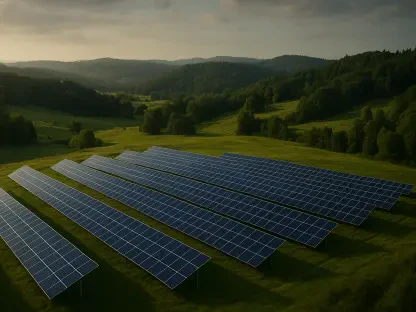
Parallel to these home repair efforts is the Solarize Greater Philadelphia program, which has democratized access to renewable energy by streamlining the installation process and reducing upfront costs. By negotiating bulk purchasing agreements and providing technical assistance, the initiative has enabled thousands of property owners to contribute to the local power grid through rooftop solar panels. A significant portion of this effort focuses on expanding solar opportunities to lower-income households through innovative leasing models and targeted subsidies. This expansion not only reduces individual carbon footprints but also decentralizes the power supply, making the city’s energy grid more resilient to outages while creating steady demand for local green jobs.
Financial Innovation and Long-Term Market Stability
Diversified Funding: Stacking Capital Solutions
The financial sustainability of the campaign is rooted in a strategy often referred to as stacking and layering, which involves blending various types of capital to maximize project impact. By combining municipal bonds with private investment and philanthropic grants, the program creates a multi-layered financial cushion that reduces the risk for traditional lenders. One of the most effective tools in this arsenal has been the Commercial Property Assessed Clean Energy program, known as C-PACE. This financing mechanism allows commercial property owners to fund energy-efficient upgrades through a voluntary property tax assessment. Because the debt is tied to the property rather than the owner, it provides a secure and long-term financing solution for businesses.
To further institutionalize these financial successes, the city established the Philadelphia Green Capital Corp, which functions as a dedicated green bank for the region. This entity provides the necessary liquidity and specialized expertise to finance projects that might be considered too complex or niche for conventional commercial banks. By offering low-interest loans and credit enhancements, the Green Capital Corp has expanded the scope of what is possible in urban sustainability. It serves as a vital bridge between high-level climate goals and the granular reality of project financing, ensuring that even smaller-scale initiatives have the backing they need. The presence of this institution signaled to the wider financial market that green infrastructure is a safe investment.
Strategic Resilience: The Path to National Scaling
A defining characteristic of the Philadelphia model is its deliberate design to operate independently of fluctuating federal funding or national climate policies. By prioritizing local revenue streams and private-sector partnerships, the campaign insulated itself from the volatility of the national political landscape. This autonomy allowed the initiative to maintain a consistent trajectory, ensuring that long-term infrastructure projects were completed without fear of sudden budget cuts. This resilience proved particularly valuable during periods when national environmental priorities shifted, as the city continued its work based on the proven economic value of its energy savings. The ability to demonstrate a clear return on investment made the campaign a self-sustaining engine.
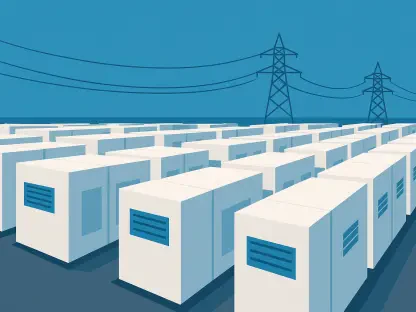
The success of this initiative provided a scalable blueprint that other metropolitan areas adapted to their own unique circumstances and challenges. As cities across the country grappled with the dual pressures of aging infrastructure and climate change, the Philadelphia experience offered a proven methodology for driving large-scale change with limited public resources. Efforts focused on expanding these programs to include advanced battery storage solutions and the further integration of smart grid technologies to enhance operational efficiency. Local leaders prioritized the establishment of green banks and the adoption of C-PACE legislation to create the necessary financial infrastructure. The campaign demonstrated that when energy efficiency was treated as a core economic development strategy, it became possible to revitalize the urban environment.