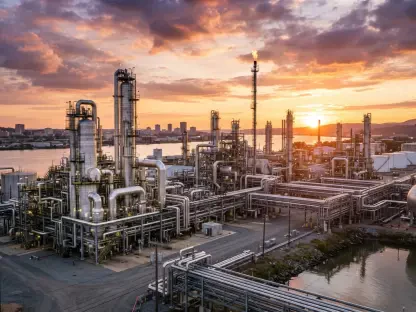

A thirty-five percent net reduction in carbon emissions is achievable when refinery hydrogen replaces traditional fuel sources after accounting for all operational energy requirements. This breakthrough finding emerges from a detailed investigation into the industrial synergy between refineries and petrochemical plants, particularly within the context of global fertilizer manufacturing. Traditionally, urea production has remained one of the most carbon-intensive sectors of the chemical industry due to its heavy reliance on steam methane reforming for hydrogen generation. By pivoting toward the recovery of high-value hydrogen from refinery tail-gas streams, producers can bypass the significant environmental penalties associated with primary methane conversion. Recent process simulations utilizing advanced software have highlighted how existing infrastructure can be repurposed to create a more circular industrial economy. This transition not only addresses immediate environmental mandates but also provides a robust technical framework for facilities currently operating under strict regulatory pressures.
Comparative Analysis: Expansion Versus Substitution Models
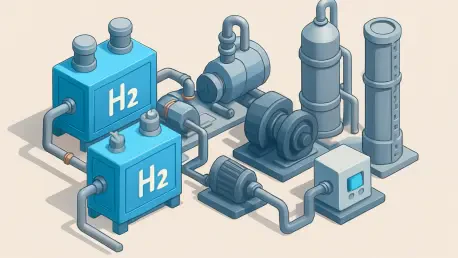
The first operational strategy explored in recent technical evaluations focuses on an expansion and capture model that integrates refinery-derived hydrogen to boost plant capacity. By employing specialized polysulfone membranes to extract hydrogen from atmospheric residue desulfurization units, facilities can theoretically increase their total urea output by more than 200 metric tons per day. This approach initially appears attractive because it leverages waste gases while simultaneously capturing carbon dioxide from reformer flue gas streams using multistage membrane systems. However, a deeper analysis reveals that the net environmental benefits are often tempered by the high electricity consumption required to operate high-pressure membrane compressors. In this specific scenario, while direct emissions may fall by roughly one-third, the overall net reduction in carbon footprint settles closer to ten percent once the secondary energy requirements are fully integrated. Furthermore, the capital investment for such a significant capacity expansion is substantial, reaching into the tens of millions and necessitating a several-year payback period.
In contrast to the expansion-heavy approach, the strategy of substitution without increasing total plant capacity offers a more streamlined path toward immediate decarbonization. This method involves utilizing purified refinery hydrogen to replace a portion of the hydrogen typically generated through the carbon-heavy steam methane reforming process while maintaining the original urea production levels. By prioritizing the displacement of the reformer’s load, the process simulation indicates a remarkable thirty-nine percent drop in direct carbon dioxide emissions. Even when the electricity-related emissions for the necessary hydrogen compression are factored in, the net reduction remains high at thirty-five percent. This model stands out for its cost-effectiveness, requiring a fraction of the capital expenditure compared to larger expansion projects. With a shorter payback period, measured in months rather than years, this pathway represents a pragmatic solution for brownfield sites looking to maximize environmental gains with minimal financial risk.
Financial Viability and Industrial Integration: Future Pathways
The economic landscape for integrating refinery hydrogen into urea plants is underpinned by the remarkably low cost of recovery from existing byproduct streams. Technical estimates place the cost of capturing this hydrogen at approximately $0.10 per kilogram, a figure that remains competitive even when fluctuating interest rates and varied operational scales are taken into account. This low input cost is the primary driver behind the rapid payback periods observed in substitution-based integration projects. Because the infrastructure for hydrogen recovery relies on proven membrane separation technologies rather than unproven large-scale carbon sequestration schemes, the operational risk is significantly lowered. Industrial complexes that host both refining and petrochemical operations are uniquely positioned to exploit these efficiencies, creating a closed-loop system where waste from one unit becomes the critical feedstock for another. This synergy effectively decouples nitrogen fertilizer production from the volatile pricing and high carbon intensity of raw natural gas consumption.
Successful technical assessments demonstrated that the immediate priority for the fertilizer industry shifted toward identifying low-hanging fruit in industrial integration rather than waiting for future carbon-capture breakthroughs. Leaders in the chemical sector realized that the most effective next steps involved the deployment of modular membrane units to capture hydrogen before it was lost to fuel systems. This transition moved the focus away from simple capacity growth toward a model of operational excellence defined by carbon efficiency. Future considerations for plant operators included the thorough validation of these membrane systems at full industrial scale to bridge the gap between simulation and real-world performance. Strategic planning focused on the alignment of refining and petrochemical maintenance schedules to ensure a steady supply of tail-gas for hydrogen extraction. By adopting these integrated frameworks, the industry established a practical blueprint for achieving deep decarbonization goals without compromising the economic stability of essential agricultural supply chains.