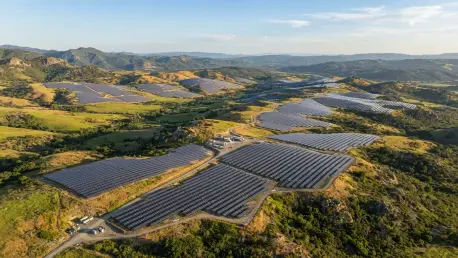

Solar generation in California grew by 90% between 2021 and 2026, contributing to a significant reduction in the financial burden of wholesale electricity procurement. This rapid expansion of clean energy assets has fundamentally reshaped the energy economies of the nation’s two largest power markets. During the intense summer heat of this year, these integrated solar and battery storage systems saved Texans approximately $3.55 billion and Californians $2.5 billion in energy costs compared to historical baselines. This massive financial relief arrived even as electricity demand hit record levels, particularly in Texas, where the total load increased by over 30% due to industrial growth and population shifts. The current grid landscape proves that solar and storage are no longer merely supplemental resources but have become the primary drivers in lowering wholesale electricity prices by displacing expensive, fossil-fuel-burning “peaker” plants during the most critical hours of the day.
Infrastructure Scaling and Wholesale Market Dynamics
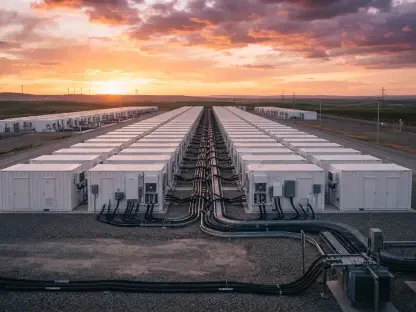
The statistical shift in regional energy infrastructure reveals a dramatic scaling of renewable assets that was once considered unattainable within such a short timeframe. Since the early 2020s, solar generation has surged by 421% in Texas, while battery storage capacity has experienced an even more explosive trajectory, increasing 26-fold across the state’s ERCOT grid. California followed a similar, albeit more mature, path with a sevenfold increase in storage capacity, allowing operators to effectively manage the state’s aggressive decarbonization goals. This surge in capacity has allowed grid managers to flatten the “net load curve,” which previously caused extreme price spikes during the late afternoon when solar production dropped but demand remained high. By capturing excess midday generation and discharging it during these evening ramps, these assets have successfully reduced average wholesale prices by approximately 42% in Texas and 51% in the California market.
Concrete data from the current summer season highlights the direct impact of this transition on the cost of doing business within the energy sector. Peak hourly wholesale prices in California plummeted from $141.75/MWh in the previous cycle to just $59.69/MWh this year, illustrating the stabilizing effect of available battery reserves. In Texas, a similar trend emerged as peak prices fell from over $110/MWh to roughly $57.30/MWh, despite the state facing several extreme heatwaves that tested the limits of the physical infrastructure. These lower prices reflect the decreased reliance on natural gas and coal units that traditionally set the marginal price during periods of high demand. As more utility-scale storage projects come online from 2026 to 2028, market analysts expect these wholesale prices to stabilize further, creating a predictable environment for industrial consumers and heavy manufacturers who require consistent energy costs to maintain their operational margins.
Navigating Grid Modernization and Consumer Pricing Challenges
Despite the success in lowering generation costs, a significant discrepancy persisted between these wholesale savings and the reality of residential electricity bills. While the cost to produce power fell in both states, total retail costs for the average household remained high or even increased in some jurisdictions. This was largely attributed to soaring expenses incurred by utility companies for the maintenance and hardening of the physical transmission and distribution network. In California, for instance, distribution costs climbed by 51%, driven by the urgent need to upgrade aging equipment and mitigate environmental risks. Texas followed a parallel trend, with double-digit increases in infrastructure spending aimed at expanding the grid to accommodate new residential developments and massive data center clusters that were rapidly coming online across the state. These infrastructure costs often masked the production efficiencies gained from the transition to lower-cost renewable power sources.
Decision-makers in the energy sector prioritized the integration of advanced software to better coordinate these decentralized assets across the existing transmission network. By optimizing the discharge cycles of battery storage at a granular level, operators managed to extract even greater value from every megawatt of solar power produced. This approach reduced the overall strain on the physical grid, suggesting that future investments should emphasize digital modernization alongside physical hardening. Consumers were encouraged to adopt smart appliances and demand-response programs that allowed them to shift usage to times when renewable energy was most abundant and wholesale prices were lowest. These steps represented a comprehensive solution to the disconnect between wholesale and retail pricing, ensuring that the financial advantages of the renewable revolution were shared more equitably while building a more resilient system for the upcoming decades of increased energy usage.