
The traditional architecture of the electrical grid is undergoing its most radical transformation since the dawn of the industrial age as it shifts from a centralized model toward a hyper-local, decentralized ecosystem that relies on the participation of individual homeowners. As the adoption of electric vehicles and renewable energy sources accelerates throughout 2026, utilities are finding that broad, system-wide solutions are no longer sufficient to maintain stability. This shift necessitates a move toward localized grid management—specifically at the substation level—where innovative pilots are turning consumer devices into essential tools for regional energy resilience. By focusing on specific geographic pockets, energy providers can address congestion and peak demand with surgical precision.
The Rise of Geographically Targeted Energy Solutions
The transition to a greener economy is driving unprecedented demand for localized grid flexibility across diverse American markets. Industry data suggests that instead of relying solely on multi-billion dollar hardware upgrades, utilities are increasingly turning to demand-side management to bridge the gap between supply and demand. This strategy allows for a more agile response to the rapid electrification of home heating and transportation, which often places significant stress on older distribution networks that were never designed for such bidirectional loads.
Moreover, the move toward geographically targeted solutions reflects a change in how utilities view their customer base. Instead of treating residents as passive consumers, providers are repositioning them as active grid participants whose behaviors can be optimized to protect local infrastructure. This collaborative approach minimizes the need for disruptive construction projects while maximizing the utility of existing neighborhood power systems. It represents a fundamental pivot from “building big” to “managing smart” at the local level.
Market Growth and the Proliferation of Distributed Energy Resources
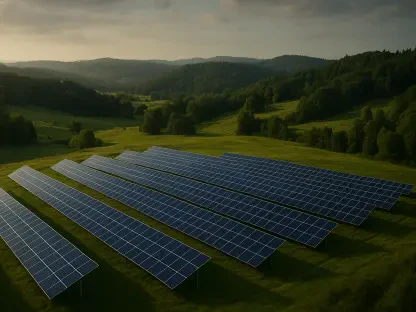
Projections from ISO-New England highlight a significant shift in energy generation, with behind-the-meter solar capacity expected to reach 6.5 GW by the late 2030s. This surge creates unique localized stresses that traditional infrastructure was not originally designed to handle, particularly during peak generation hours in the summer. Consequently, the proliferation of distributed energy resources requires sophisticated management systems that can balance the influx of power from thousands of individual rooftop installations simultaneously.
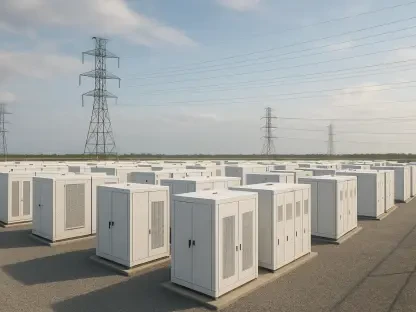
Furthermore, the rise of domestic battery storage and smart appliances offers a unique opportunity for grid balancing at the residential level. The integration of these technologies has moved from the periphery to the center of utility planning as more households adopt sustainable technologies. Data indicates that using these assets as a buffer helps stabilize the grid during extreme weather events, ensuring that local distribution remains reliable even when the broader network faces significant volatility.
Real-World Applications: The Eversource Pilot Programs
Leading utilities are already operationalizing these trends through targeted initiatives like the “ConnectedSolutions+” and “Managed Charging+” programs in Massachusetts. In the Greater Boston area, specific substations such as Alewife and Hyde Park are serving as testing grounds for summer peak-shaving maneuvers. During periods of high heat, customers receive performance payments—reaching up to $400/kW for battery owners—to reduce their load between the critical hours of 2 p.m. and 10 p.m., effectively protecting the local transformer from overheating.
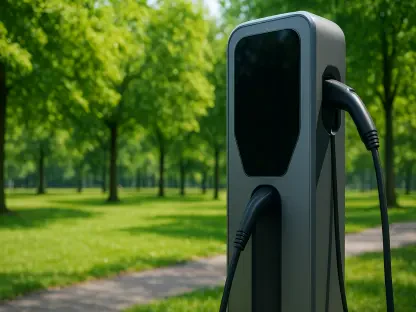
In southeastern Massachusetts, the “Managed Charging+” pilot addresses the challenge of the midday solar glut at the Industrial Park substation. By providing incentives for electric vehicle owners to charge their cars between 11 a.m. and 3 p.m., the utility effectively soaks up excess solar production that might otherwise cause local congestion. This program prevents power quality issues while ensuring that clean energy is utilized when it is most abundant, providing enrollment bonuses and monthly rewards for consistent participation among users.
Expert Perspectives on Substation-Level Management
Industry thought leaders argue that the shift toward substation-level management represents the future of utility cost-efficiency and operational longevity. By focusing on specific geographic bottlenecks rather than the entire network, providers can maintain reliability without the massive capital expenditure required for new physical substations. Experts from major providers like Pacific Gas & Electric and TXU have noted that using time-of-use incentives allows the grid to become more elastic and responsive to local residential needs.
This approach essentially treats consumer-owned batteries and electric vehicles as a “virtual power plant,” providing a buffer that protects the integrity of the distribution network. Analysts suggest that this level of granularity is necessary to manage the unpredictable nature of renewable energy generation. By decentralizing the control of the grid, utilities can create a more resilient system that is less vulnerable to single points of failure, turning every connected home into a micro-resiliency hub.
Future Implications for Global Energy Infrastructure
The evolution of localized grid management suggests a future where the power network is both more dynamic and increasingly reliant on sophisticated consumer participation. As these pilots provide critical data through 2029, a broader rollout of programs that blur the line between energy consumers and energy providers is expected globally. The primary benefit is a more resilient grid that can adapt to the intermittent nature of renewables and the heavy load of growing electric vehicle fleets without crashing.
However, several challenges remain regarding the need for seamless technological interoperability and sustained customer engagement over time. For these localized strategies to go global, manufacturers and utilities must agree on common communication protocols for smart devices to ensure they work together. If successful, these strategies will likely become the standard for utilities worldwide, moving the global energy landscape toward a more responsive and cost-effective model that favors efficiency over expansion.
Conclusion: Embracing the Decentralized Grid
The transition toward localized grid management emerged as a response to the clear limitations of the 20th-century centralized model. Utilities recognized that sustainable growth required a shift from passive delivery to active, bilateral engagement with the consumer base to avoid system failure. This shift allowed for the successful integration of renewable resources at the edge of the network, which significantly reduced the strain on aging infrastructure during peak usage periods throughout the region.
Stakeholders prioritized the development of smart home ecosystems that could automatically respond to grid signals, thereby creating a more stable energy environment for everyone. They discovered that by incentivizing the right behaviors at the substation level, it was possible to defer billions in infrastructure costs while simultaneously lowering carbon footprints. This strategy established a foundation for a modern energy landscape where flexibility and consumer empowerment were the primary drivers of long-term grid stability.