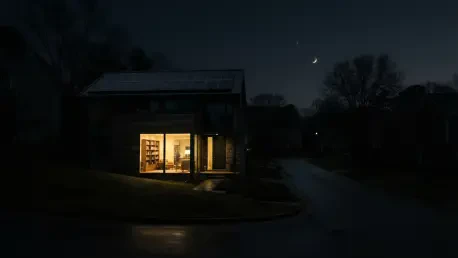

The assumption that energy independence is an inherent feature of solar installations frequently leads to confusion when homes go dark during unexpected neighborhood power cuts. Many homeowners invest thousands in high-efficiency panels and lithium-ion storage units, operating under the impression that they have effectively opted out of the traditional utility grid. However, a standard grid-tied system is not a standalone fortress; it is a synchronized component of a much larger electrical ecosystem. When a fault occurs on the municipal line, most residential systems are programmed to terminate power generation immediately, leaving the property in total darkness. This design is not a failure of the technology but a deliberate engineering choice intended to protect the lives of utility technicians. Without a specialized configuration, the very panels intended to provide security become decorative rooftop ornaments the moment the external voltage vanishes. Understanding the technical barriers to true off-grid operation is the first step toward achieving the level of reliability that many consumers believe they already purchased.
The Grid Connection: Why Inverters Deactivate
Modern solar inverters are equipped with a safety protocol known as anti-islanding, which is a mandatory standard in the contemporary energy market. This mechanism constantly monitors the frequency and voltage of the incoming utility feed to ensure the home remains perfectly in phase with the grid. If the inverter detects a significant drop or a total loss of the grid signal, it shuts down within milliseconds to prevent a phenomenon called backfeeding. If a residential system continued to pump electricity into a damaged local grid, it would turn the neighborhood lines into live hazards, potentially electrocuting utility crews who assume the wires are dead. This protective logic remains active even if the sun is at its zenith or the storage battery is at full capacity. Consequently, the standard inverter is a grid-dependent device that requires an external heartbeat to function. For homeowners seeking uninterrupted service, the basic equipment provided in a typical installation is fundamentally insufficient for maintaining a live microgrid.
Overcoming this inherent limitation requires the integration of specialized isolating hardware that physically detaches the home from the utility network during a failure. Components such as the Enphase System Controller or specific gateway modules act as the intelligent brain of a resilient energy system. These devices monitor the health of the public grid and, upon sensing an outage, trigger a physical disconnect that isolates the home’s internal wiring. Only once this “island” is established can the inverter safely resume operation, drawing energy from the panels and the battery to power the household. This configuration is significantly more complex than a standard setup, often requiring extensive cable routing from the main electrical service entrance to the storage location. It also demands specialized inverters capable of forming their own reference voltage to replace the missing grid signal. Without this additional layer of hardware and professional configuration, even the most expensive solar arrays will remain dormant until the utility company restores service.
System Management: Balancing Loads and Expectations
Even with the correct isolating hardware, managing the electrical load during a blackout is a critical challenge that requires a shift in user behavior. Most residential batteries are not designed to support the simultaneous operation of high-drain appliances such as electric heat pumps, power-hungry cookers, or electric vehicle chargers. During an outage, a sudden surge in demand can overwhelm the backup system’s peak output capacity, causing an immediate protective shutdown. Professional installers often recommend a “critical loads” approach, where only essential circuits like lighting, refrigeration, and internet routers are wired to the backup gateway. This strategic separation ensures that the limited energy stored in the battery is preserved for the most vital functions rather than being exhausted by non-essential tasks. By prioritizing specific sockets, homeowners can maintain a functional living environment for several days. Understanding the limitations of battery discharge rates is essential for preventing a secondary failure within the home’s own localized microgrid.
Achieving true resilience required a nuanced strategy that went far beyond the simple purchase of photovoltaic panels. For many, the most effective path involved integrating smart energy management software that automatically shed non-essential loads when the grid signal vanished. Others found that smaller, plug-and-play portable power stations provided a more flexible and affordable alternative for keeping basic devices running without the need for extensive rewiring. The industry shifted toward more transparent communication, ensuring that users understood the necessity of isolating gateways and specialized inverters. Ultimately, those who successfully navigated these technical hurdles prioritized hardware compatibility and professional consultation over generic retail packages. This proactive approach transformed residential solar from a simple financial asset into a robust life-support system for the home. By securing detailed installation contracts, homeowners finally matched their technical capabilities with their expectations for uninterrupted power.