
The Fragile Pulse of California’s Modern Grid
The blistering heatwaves currently rolling across the Western United States are putting an unprecedented strain on California’s aging electrical infrastructure and testing the limits of its distributed energy resources. At the heart of this struggle is the Demand Side Grid Support (DSGS) program, a sophisticated virtual power plant that orchestrates thousands of residential batteries to provide a collective defense against potential blackouts. While this decentralized network has proven its resilience during peak demand, a proposed reduction in the state’s biennial budget revision now threatens to dismantle the very system that keeps the lights on for millions of residents.
This program represents more than just a temporary fix; it is a fundamental shift toward a more responsive and modern energy architecture. However, as fiscal pressures mount, lawmakers face a choice between maintaining a proven innovation or reverting to older, more expensive methods of power management. The current debate highlights a tension between immediate cost-cutting measures and the long-term necessity of a stable, renewable-heavy grid. By turning individual homes into active participants in the energy market, the state has built a buffer that is both efficient and scalable, provided the funding remains intact.
Why a Specialized Virtual Power Plant Is Non-Negotiable
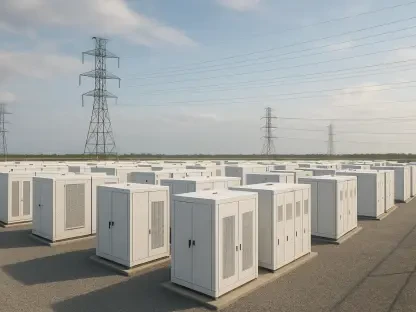
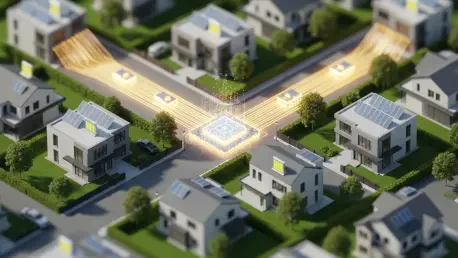
Since its inception, the DSGS has transitioned from a small-scale pilot into a central pillar of the state’s strategy for energy independence. Unlike traditional gas-fired power plants that require years of permitting and construction, this program utilizes existing home battery storage to provide instantaneous support to the grid. In an environment defined by extreme climate volatility and an ongoing affordability crisis, the ability to tap into distributed energy resources has become an essential lifeline for the California Independent System Operator.
The debate surrounding the program is not merely a dispute over a budget line item; it is a question of direction for the state’s energy future. Retreating to a centralized, reactive model would ignore the progress made in energy innovation and leave the grid vulnerable to the fluctuations of an increasingly unpredictable climate. Proponents argue that the specialized nature of the DSGS allows for a level of precision in load balancing that traditional utility programs simply cannot match. It offers a proactive solution that addresses imbalances before they escalate into full-scale emergencies.
The Budgetary Pivot: Transitioning from CEC to Utility Control
Governor Newsom’s proposal to phase out DSGS funding by 2027 rests on a plan to move participants into the Emergency Load Reduction Program (ELRP). This transition would shift regulatory oversight from the California Energy Commission (CEC) to the California Public Utilities Commission (CPUC) and the state’s major investor-owned utilities. Critics suggest that such a move fundamentally changes the nature of grid support by moving from a proactive stabilization tool to a reactive, last-resort mechanism intended only for the most extreme emergencies.
Furthermore, industry leaders express concern that utility-managed frameworks often come with increased administrative friction and complex enrollment processes. These hurdles could potentially discourage homeowners from sharing their stored energy, thereby reducing the total capacity available to the state during critical hours. The structural differences between these two programs suggest that a simple merger might undermine the unique benefits that a dedicated virtual power plant provides. This shift could stifle the growth of the very technology needed to decentralize power production.
Evidence of Impact: Efficiency, Savings, and Expert Testimony
The argument for preserving the DSGS is supported by empirical data demonstrating its effectiveness during recent periods of high stress. In earlier testing phases, the program successfully delivered an average of 539 MW to the grid—a capacity equivalent to a mid-sized traditional power plant—during the most demanding two-hour windows. This performance showed that distributed storage could reliably replace fossil-fuel peaking plants without the associated environmental or infrastructure costs.
Economic projections from the Brattle Group further indicate that maintaining the program from 2026 through 2028 would generate approximately $206 million in net savings for the system. By avoiding the need for multi-billion dollar upgrades to transmission lines and distribution networks, the virtual power plant model offers a clear path toward lowering costs for all ratepayers. Organizations like Advanced Energy United, along with tech leaders like Tesla and Sunrun, warned that cutting this funding would stifle the residential battery market and jeopardize the reliability of the entire western interconnection.
Path Forward: Strategies for Preserving Grid Reliability
As the July 1 fiscal deadline approached, stakeholders identified several critical frameworks to protect the state’s virtual power plant capacity. One priority involved establishing a dedicated funding stream independent of utility-run programs to ensure the DSGS continued to operate with its original specialized functionality. Legislators also looked toward quantifying non-wires alternatives to prove that distributed energy remained a more cost-effective choice than traditional infrastructure projects. This evidence played a vital role in shifting the conversation from simple spending to long-term investment.
The strategy for the coming years focused on streamlining the enrollment process to facilitate a smoother transition between different grid-support initiatives. By leveraging federal climate grants to bridge the state’s budget gap, California aimed to maintain its momentum in distributed energy deployment. These actions provided a roadmap for integrating modern technology into a cohesive policy that prioritized both fiscal responsibility and the unwavering reliability of the electrical grid. Leaders eventually recognized that the cost of inaction far outweighed the expense of maintaining a cutting-edge virtual power plant.