
The sheer scale of waste generation in Lagos has reached a point where traditional awareness campaigns are no longer sufficient to manage the city’s environmental health. As Nigeria’s primary commercial hub and one of the world’s fastest-growing megacities, the metropolitan area faces immense pressure from indiscriminate waste disposal that clogs vital drainage systems and threatens public safety. This strategic pivot marks a transition from a model of passive public education to one of strict legal enforcement and accountability for residents and businesses alike. By prioritizing a cleaner environment through mandatory compliance, the state government intends to modernize urban sanitation and ensure the region remains a viable destination for global commerce and residency. This shift is not merely about punishment but about resetting the social contract between the citizens and the environment. As the population continues to surge, the geographic vulnerabilities of a coastal city necessitate an organized, disciplined approach to waste management that can withstand the demands of intense urbanization and climate-related stressors.
Strengthening Regulatory Oversight: Ensuring Infrastructure Integrity
Transitioning to Punitive Governance: The Role of Legal Deterrents
Specialized enforcement teams have been deployed to high-traffic corridors and residential zones to monitor compliance and penalize environmental violators with immediate effect. This proactive policing model, led by the Lagos Environmental Sanitation Corps, addresses the reality that the city’s rapid expansion has historically outpaced the evolution of public sanitation habits. By imposing stiff legal sanctions and utilizing mobile courts for swift adjudication, authorities are creating a strong deterrent against illegal dumping and street trading. This disciplinary framework is essential for maintaining order in a city where every square inch of public space is under constant demand. Experts suggest that consistent enforcement is the only way to reverse decades of environmental neglect, as it forces a change in behavior that voluntary participation failed to achieve. Furthermore, the integration of digital tracking and surveillance allows these units to identify repeat offenders and high-risk zones, ensuring that the resources for sanitation are allocated where they are most needed to maintain the city’s long-term functional integrity.
Mitigating Flood Risks: The Priority of Drainage Protection
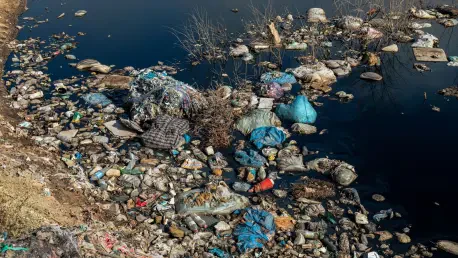
A primary driver for this aggressive crackdown is the urgent need to protect the city’s drainage infrastructure from constant blockages caused by plastic waste and silt. When refuse is dumped onto the streets or directly into gutters, it inevitably migrates into the primary canals, paralyzing the city’s ability to channel water during intense rainfall events. By maintaining clear drainage paths through strict regulation and heavy fines for obstruction, the government aims to significantly reduce the risk of catastrophic flash flooding. This protection of public assets is vital for preventing the loss of property and mitigating the spread of waterborne diseases that often follow urban flooding. Engineering reports indicate that even the most advanced drainage systems cannot function if they are treated as trash receptacles, making environmental discipline a cornerstone of the city’s flood resilience strategy. Ensuring that these waterways remain unobstructed is a critical step in safeguarding the health of the millions who reside in low-lying coastal areas. Continuous monitoring of these channels ensures that early warnings of blockage are addressed before they escalate into regional crises.
Economic Stability: The Path to Sustainability
Enhancing Real Estate Value: The Impact of Urban Aesthetics
Enhancing the aesthetic appeal of the city serves as a catalyst for economic stability by increasing real estate values and attracting high-level foreign direct investment. Investors are naturally drawn to urban centers that demonstrate order and cleanliness, as these factors are synonymous with effective governance and low operational risks. By eliminating the eyesore of roadside waste heaps, the state is effectively rebranding itself as a modern, sophisticated metropolis that can compete with other global business hubs. This transformation directly benefits property owners, as cleaner neighborhoods command higher rents and better resale prices, fostering a virtuous cycle of urban renewal and tax revenue growth. Beyond the financial implications, a well-maintained environment contributes to the psychological well-being of the populace, reducing the stress associated with urban blight. The commitment to maintaining pristine public spaces sends a clear signal to the international community that the city is serious about its status as a leading economic power. This focus on aesthetics is not superficial but is deeply tied to the foundational goal of creating a livable, sustainable city that provides a high quality of life for all its inhabitants.
Stimulating Circular Economy: Institutional Compliance and Market Growth
The enforcement of waste regulations is also a critical component in stimulating a circular economy, where discarded materials are viewed as resources rather than liabilities. By compelling households and businesses to use formal waste collection services, the government is funneling large volumes of refuse into the hands of Private Sector Participation operators and recycling facilities. This transition supports the growth of the waste-to-wealth sector, creating thousands of jobs in sorting, processing, and manufacturing new products from recycled plastic and organic waste. Institutional compliance ensures that waste streams are consistent and predictable, which is necessary for private companies to invest in large-scale recycling infrastructure and advanced composting technologies. As more businesses adopt sustainable practices to avoid penalties, the city moves closer to a zero-waste goal that reduces the burden on overstretched landfills. This economic model not only addresses environmental concerns but also provides a resilient source of raw materials for local industries, reducing reliance on expensive imports. The synergy between strict enforcement and market-driven recycling solutions creates a robust framework for long-term ecological and financial sustainability across the metropolitan area.
The Next Steps: Establishing Long-Term Environmental Accountability
The implementation of strict enforcement protocols served as the necessary catalyst for transforming the environmental landscape of the metropolitan area. By moving beyond simple advocacy, the government successfully established a culture of accountability that protected vital infrastructure and promoted public health. However, the success of these measures demonstrated that legal deterrents were only one part of a multi-faceted solution for urban sanitation. Moving forward, the focus should shift toward expanding the physical capacity of waste processing centers and integrating decentralized recycling hubs in every local government area. While the punitive approach corrected immediate behaviors, long-term sustainability required a deeper investment in smart waste management technologies, such as sensor-based bin monitoring and automated sorting plants. Policymakers and urban planners were encouraged to prioritize the formalization of the informal waste sector to capture more value from the recycling stream. Building on the foundation of discipline established by the crackdown, the city now needs to foster stronger public-private partnerships to ensure that the infrastructure keeps pace with the inevitable population growth.