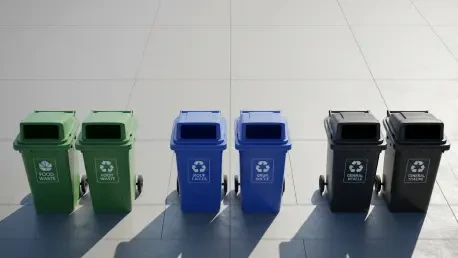

The suburban landscape of Cheshire East is currently undergoing a fundamental shift in civil infrastructure as residents adjust to a new era of waste management designed to prioritize environmental sustainability over traditional convenience. This transformation is not merely a local initiative but a direct response to a mounting climate crisis and a necessity to meet stringent national targets that seek to elevate recycling rates to 65% by 2035. Currently, the region maintains a recycling average of approximately 43%, a figure that has plateaued despite previous efforts to encourage greener household habits. By introducing a weekly food waste collection service while simultaneously extending the interval between general trash pickups, the local council aims to capture organic material that previously languished in landfills. This strategic pivot reflects a broader shift in how modern municipalities view refuse, transitioning from a burden to be discarded toward a resource to be recovered. The success of this endeavor relies on a delicate balance between public cooperation, technological investment, and a collective willingness to rethink daily routines for the sake of long-term ecological health.
Legislative Compliance and Infrastructure Expansion
Statutory Mandates: Meeting National Recycling Targets
The impetus for these sweeping changes is rooted in the “simpler recycling” mandates issued by the central government, which require all local authorities across the country to standardize their waste streams and provide separate organic collections. Councilor David Jefferay, representing the local cabinet, has emphasized that the council is legally obligated to comply with these statutory requirements, leaving little room for maintaining the status quo. While Cheshire East has historically outperformed many of its neighbors—recycling nearly half of its household waste—the path to the 2035 goal requires a more aggressive intervention. By separating food waste from the residual stream, the council hopes to divert thousands of tons of organic matter from energy-intensive disposal routes. This move is essential because organic waste in general bins produces methane, a potent greenhouse gas, when buried in landfills, or requires significant energy to process in incineration plants. Aligning with national standards ensures that the borough remains at the forefront of the environmental movement while avoiding potential legal penalties from central authorities.
Beyond the legal necessity, the transition serves as a catalyst for a more circular economy where waste is processed locally to create useful byproducts like compost or biogas. The current reliance on waste-to-energy plants is a significant improvement over the landfills of previous decades, yet it still results in a net loss of materials that could be returned to the soil. By establishing a dedicated weekly food waste service, the borough is creating a reliable supply chain for anaerobic digestion facilities, which convert food scraps into renewable energy and nutrient-rich fertilizers. This system not only reduces the carbon footprint of the waste management department but also provides a buffer against the fluctuating costs of external energy markets. The integration of these services is a complex logistical puzzle, requiring a total reassessment of how waste is categorized at the source. Residents are being asked to become active participants in this industrial cycle, moving away from a passive “throwaway” culture toward one of mindful sorting and resource preservation that supports the entire region’s biodiversity.
Operational Logistics: Scaling for Weekly Collections
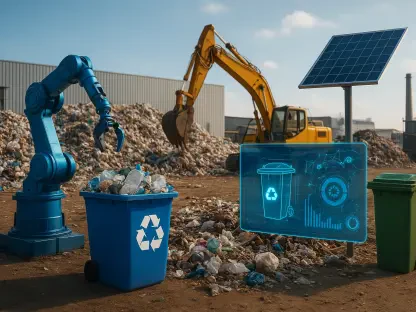
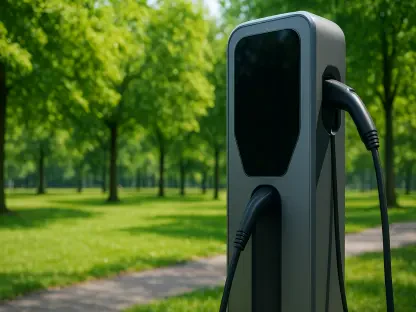
Implementing such a massive change in service delivery requires a substantial investment in physical assets and human capital to ensure the system remains robust and reliable for every household. The council has initiated the procurement of 182,000 specialized food caddies for individual homes, alongside larger 140-liter bins designed for apartment complexes and communal living spaces. These tools are the front line of the new strategy, providing a convenient and hygienic way for families to store organic scraps between collection dates. To support this hardware, a brand-new fleet of electric collection vehicles is being integrated into the existing rotation, marking a significant step toward decarbonizing the council’s transportation network. These trucks are specifically designed to navigate narrow residential streets while operating quietly, reducing the noise pollution typically associated with early-morning refuse collection. This technological upgrade represents a multi-million-dollar commitment to a cleaner future, ensuring that the very act of collecting recycling does not contribute unnecessarily to local air quality issues.
The physical hardware is only as effective as the team operating it, necessitating a significant expansion of the local government’s workforce to manage the increased frequency of food waste pickups. To meet the demands of the new schedule, the council is hiring 13 additional drivers and 27 loaders, creating new employment opportunities within the community while bolstering the resilience of the waste management department. Much of this operational growth is centered on the Middlewich environmental hub, which serves as the central nervous system for the borough’s sanitation efforts. The hub is currently undergoing extensive upgrades, including expanded parking for the new fleet and enhanced security measures to protect the valuable equipment and support the growing staff. These upgrades are vital to prevent bottlenecks in the system, ensuring that trucks can be dispatched and emptied efficiently throughout the day. By centralizing these operations and providing the staff with modern facilities, the council is laying the groundwork for a scalable waste management system that can adapt to the borough’s projected population growth over the coming decade.
Environmental Sustainability and Hazard Mitigation
Fiscal Strategy: Counteracting the Costs of Contamination
Financial sustainability is a primary driver behind the shift to a three-weekly general waste pickup, as the council faces mounting pressure to reduce the costs associated with “black bin” disposal. General trash that is sent to waste-to-energy plants is significantly more expensive to process than sorted recycling, and these costs are set to rise sharply as the government expands carbon taxes. Starting in 2026 and moving toward 2028, the inclusion of waste incineration in the national emissions trading scheme could cost Cheshire East upwards of £5 million annually in carbon credits. By reducing the frequency of general waste collection and encouraging the separation of food waste—which accounts for nearly 20% of the volume in black bins—the council can significantly mitigate these financial risks. The savings generated from reduced incineration volume are being reinvested into recycling programs and public services, creating a more efficient use of taxpayer funds. This fiscal prudence is necessary to ensure that the council can continue to provide high-quality services in an era of tightening municipal budgets and rising operational overhead.
However, the economic viability of the entire recycling system depends heavily on the accuracy of resident sorting, as contamination remains one of the most significant hidden costs in the waste stream. When non-recyclable items like used diapers, greasy pizza boxes, or old blankets are placed in recycling bins, they can ruin entire batches of clean material, leading to massive financial losses. In a single recent month, over 600 tonnes of wrongly discarded waste resulted in a loss of more than £73,000 for the borough, a cost that is ultimately borne by the residents through local taxes. To combat this, the council is launching a comprehensive public education campaign centered on the “if in doubt, leave it out” rule of thumb. This initiative aims to clarify common misconceptions about what can be recycled, helping households avoid the mistakes that lead to costly contamination. By fostering a more informed and diligent community, the borough can maximize the value of its recycled materials and ensure that the transition to the new collection schedule remains financially sustainable for the long term.
Safety Protocols: Managing Hazardous Waste and Rollout
Safety remains a paramount concern for the crews on the ground, particularly as new technologies like vapes and lithium-ion batteries become more prevalent in the household waste stream. These items pose a severe fire hazard when crushed inside the compactor of a trash truck, leading to dangerous incidents that occur multiple times a day across the United Kingdom. A recent emergency in Macclesfield served as a stark reminder of these risks when a collection vehicle caught fire near a densely populated apartment building. The crew was forced to drive the burning truck across town to a secluded area to prevent the fire from spreading to residential structures, a heroic act that highlighted the volatility of modern trash. To mitigate these hazards, the council is expanding specialized recycling centers and collection points for small electronics and batteries. Educating the public on the dangers of “zombie batteries” is a critical component of the new waste strategy, ensuring that the transition to more frequent recycling collections does not come at the expense of worker safety or public property.
The rollout of the new food waste caddies followed a meticulous timeline, with the borough preparing for a full service launch by the middle of September. During the initial distribution phase, residents were instructed to keep their new caddies in storage until the optimized collection routes were finalized and uploaded to the council’s digital platforms. These optimized routes utilize advanced mapping software to ensure that the new three-weekly and weekly cycles are as fuel-efficient as possible, further reducing the environmental impact of the service. Authorities utilized digital resources to provide every household with a specific, personalized collection calendar, minimizing confusion during the transition period. By the time the autumn leaves began to fall, the community was fully equipped to handle the shift in responsibility. The council’s leadership established a clear path forward, emphasizing that the success of the program was measured not just by the volume of waste collected, but by the collective effort to preserve the local environment. Residents successfully integrated these new habits into their daily routines, ensuring that the region remained a leader in sustainable living for years to come.