
The vast expanse of the Great Lakes system represents more than twenty percent of the world’s surface freshwater, yet beneath these rolling blue waves lies a persistent and invisible industrial inheritance that refuses to vanish. Decades after the federal government implemented a ban on the production of polychlorinated biphenyls, these oily, synthetic compounds continue to haunt the riverbeds and lake floors of North America’s industrial heartland. Developed in the late 1920s for their remarkable thermal stability and electrical insulation properties, PCBs were once considered a miracle of modern engineering, found in everything from transformers to carbonless copy paper. However, that same chemical resilience means they do not decompose naturally, leading to a scenario where modern environmental engineers must contend with pollutants that were discarded nearly a century ago. Today, the challenge is not just identifying these chemicals but executing massive cleanup operations that protect the health of millions while balancing the logistical and financial burdens of remediating thousands of miles of shoreline.
Biological and Health Consequences
Bioaccumulation and Aquatic Ecosystems
The most significant danger of PCBs in the Great Lakes stems from their ability to infiltrate the food web through a process known as bioaccumulation, where toxins increase in concentration as they move up the chain. When these heavy, oily liquids entered the waterways via industrial runoff, they did not stay suspended in the water column but instead sank into the thick organic mud at the bottom. Benthic organisms, such as worms and small crustaceans, inadvertently ingest these toxins while feeding on detritus in the silt. As smaller fish eat these organisms, and larger predatory fish like salmon or lake trout eat the smaller fish, the concentration of PCBs increases exponentially. By the time the chemicals reach top predators, the concentrations can be thousands of times higher than the levels found in the surrounding water. This phenomenon transforms the region’s legendary fisheries into potential health hazards, as the contaminants remain locked within the fatty tissues of the fish for years without being metabolized or excreted.
Beyond simple accumulation, the presence of these chemicals disrupts the reproductive success and population dynamics of various aquatic species throughout the basin. High levels of PCBs are linked to developmental abnormalities in fish fry and bird populations that depend on the lakes for food, often leading to lower survival rates among the offspring of top-tier predators. In many areas of the Great Lakes, the sediment acts as a secondary source of contamination, releasing small amounts of toxins back into the water whenever the floor is disturbed by storm surges or large vessels. This constant cycling ensures that the ecosystem remains under perpetual stress, even in areas where active industrial discharge ceased long ago. Maintaining a healthy balance in these waters requires a deep understanding of how these chemicals migrate through different layers. Researchers utilize advanced underwater mapping and chemical modeling to predict where the highest concentrations will settle, allowing for more targeted intervention strategies that aim to break the cycle.
Human Physiological Impacts and Liability
Human exposure to PCBs is primarily a result of consuming contaminated fish, and the resulting health consequences for the regional population are both varied and severe. Clinical studies have consistently demonstrated that these compounds are potent endocrine disruptors, interfering with the natural hormonal signals that regulate growth, metabolism, and reproduction. Long-term exposure is associated with significant damage to the liver and the immune system, reducing the body’s ability to fight off infections and increasing the prevalence of chronic inflammatory conditions. Furthermore, neurological research suggests that even low-level exposure can impair cognitive function and memory, particularly in older adults who have lived in the region for several decades. The International Agency for Research on Cancer has categorized PCBs as a Group 1 human carcinogen, indicating there is sufficient evidence of their role in causing specific types of cancer. This medical consensus has provided the scientific foundation for numerous legal challenges aimed at manufacturers.
The legal landscape surrounding PCB contamination has evolved into a complex web of litigation and corporate accountability involving some of the largest industrial entities in history. Throughout the mid-20th century, a handful of companies produced the vast majority of these chemicals, and evidence suggests that some were aware of the environmental risks long before federal regulators intervened. Today, many municipalities and state governments are pursuing massive lawsuits to recover the costs associated with monitoring and cleaning up contaminated waterways. These cases often hinge on the concept of public nuisance, arguing that the persistent nature of PCBs constitutes an ongoing interference with public health. The financial stakes are astronomical, as the cost of remediating a single large harbor can reach into the hundreds of millions of dollars. As these legal battles progress, they set important precedents for how corporate responsibility is handled, ensuring that the entities that profited from these substances help fund the extensive restoration efforts.
Engineering and Legal Solutions
The Mechanics of Modern Remediation
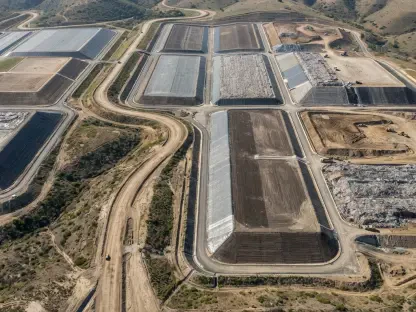
Remediating the vast quantities of contaminated sediment in the Great Lakes requires a sophisticated blend of civil engineering and environmental science, primarily centered on dredging and capping. Environmental dredging involves the use of specialized hydraulic equipment designed to remove toxic mud from the riverbed with surgical precision, minimizing the amount of sediment that gets resuspended into the water. Once the material is removed, it is typically transported to a dewatering facility where the solids are separated from the water, treated, and then disposed of in secure, lined landfills designed to prevent leaching. In areas where dredging is impractical due to water depth or critical infrastructure, engineers employ “capping” to seal the toxins away. This involves placing layers of clean sand, gravel, and active carbon over the contaminated area to create a permanent physical barrier. This cap prevents the PCBs from re-entering the ecosystem and allows a new, clean layer of sediment to form, effectively sequestering the toxins away.
The scale of these engineering projects is exemplified by the remediation of the Lower Fox River, a massive undertaking that serves as a benchmark for contemporary environmental restoration. This project involved the removal of over six million cubic yards of sediment and the installation of hundreds of acres of caps, costing upwards of $1.3 billion over nearly two decades. Such projects require extensive pre-remediation modeling to understand flow patterns and sediment transport, as well as rigorous long-term monitoring to ensure the integrity of the caps against erosion and extreme weather events. From 2026 to 2030, many other sites across the Great Lakes are undergoing similar transformations, leveraging lessons learned from previous successes to improve efficiency. Advanced sensors and autonomous underwater vehicles are now used to track sediment stability in real-time, providing engineers with data to adjust strategies on the fly. These technological advancements have turned a daunting task into a manageable engineering discipline, bringing the region closer to recovery.
Collaborative Strategies for Long-Term Restoration
To ensure the permanent safety of the Great Lakes, regional authorities are implementing comprehensive monitoring networks that combine satellite imagery with localized water sensors. These systems allow for the rapid detection of sediment shifts or new contamination plumes, providing a proactive defense against the re-emergence of legacy toxins. Furthermore, local governments are integrating toxic cleanup with waterfront revitalization projects, turning once-derelict industrial zones into public parks and commercial hubs. This dual-purpose strategy secures community support and provides a clear economic incentive for completing remediation as quickly as possible. Future efforts should focus on expanding educational outreach to subsistence anglers, providing them with real-time data on fish safety and safer preparation methods. By combining technological vigilance with grassroots engagement, the region is building a resilient framework that addresses both the legacy of the past and the ecological needs of the present, ensuring that the lakes remain a vital resource for all residents.
The journey toward a cleaner Great Lakes system reached a critical turning point as stakeholders prioritized integrated management strategies that addressed both legacy pollutants and modern infrastructure needs. It was clear that the successful remediation of these waterways depended on sustained political will and the continued application of cutting-edge engineering techniques. Moving forward, the focus turned to the long-term maintenance of capped sites and the expansion of monitoring networks to detect any potential re-emergence of toxic plumes. Communities were encouraged to participate in local watershed planning, ensuring that the progress made in the water was supported by better land-use practices on the shore. By fostering partnerships between government agencies, private industries, and local organizations, the region established a blueprint for tackling complex environmental challenges. This collective effort not only aimed to remove the chemical shadow of the previous century but also sought to restore the lakes as a safe and vibrant resource for everyone.