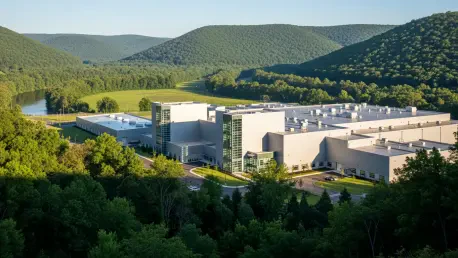

The serene landscape of the Shenandoah Valley currently serves as the backdrop for a high-stakes confrontation between economic ambition and the fundamental right to a clean environment as residents of Waynesboro navigate a complex proposal from Northrop Grumman. This aerospace and defense giant intends to establish a sophisticated $200 million manufacturing facility, promising to inject significant capital and high-tech jobs into the regional economy. However, the optimism surrounding this industrial growth is heavily tempered by the company’s request to release nearly 25 tons of hazardous air pollutants into the local atmosphere each year. This situation forces a difficult conversation about the true cost of progress and whether the long-term health of a community should be prioritized over immediate financial gain. As the permit process moves forward, the divide between corporate interests and public safety remains a central theme, highlighting the persistent challenges of balancing large-scale industrialization with environmental stewardship in sensitive areas like Virginia.
Analyzing Environmental Impacts and Public Health
The debate over the Northrop Grumman permit centers on the specific quantity and nature of the substances slated for release into the Shenandoah Valley’s air. State regulatory frameworks often categorize industrial facilities based on their potential to emit hazardous pollutants, creating distinct tiers of oversight that dictate everything from monitoring frequency to public reporting requirements. In this specific case, the proposed thresholds represent a significant shift for Waynesboro, transitioning the local industrial landscape toward more complex chemical manufacturing processes. The technical details of these emissions are not merely bureaucratic markers; they define the long-term environmental footprint of the site and the degree of risk that the surrounding community is expected to absorb. As the Virginia Department of Environmental Quality reviews the technical data, the tension between economic necessity and public health remains palpable, prompting a rigorous examination of the underlying science.
Chemical Exposure: Assessing the Strategic Emission Thresholds
The permit application submitted by Northrop Grumman strategically requests authorization to emit 24.9 tons of hazardous air pollutants, a figure that falls just short of the 25-ton federal threshold for “major source” classification. By maintaining this specific level, the company seeks what is known as “synthetic minor” status, which allows it to operate with significantly less federal oversight than larger polluters. This regulatory positioning is not merely a technicality; it represents a calculated effort to sidestep the most stringent requirements of the Clean Air Act, such as the Title V operating permit program. Critics argue that this threshold-skirting behavior enables the facility to release substantial volumes of volatile organic compounds and particulate matter while avoiding the rigorous monitoring and reporting standards designed for heavy industrial emitters. This approach places a heavy burden on state regulators to ensure that the company remains within these narrow margins throughout the facility’s lifecycle.
Medical Consequences: Quantifying the Long-Term Burdens
Beyond the administrative nuances of permit levels, the actual chemicals slated for release represent a tangible threat to the physical health of the Waynesboro population. The emissions include a variety of toxic substances that are known to cause acute respiratory distress, particularly in individuals with pre-existing conditions like asthma or chronic obstructive pulmonary disease. Fine particulate matter, often referred to as PM2.5, is of particular concern because these microscopic particles can bypass the body’s natural filtration systems to enter the deep recesses of the lungs and the bloodstream. Over time, consistent exposure to these pollutants is linked to an increased risk of cardiovascular events, including heart attacks and strokes, as well as the development of various forms of cancer. For a town nestled in a valley where air can become trapped during weather inversions, the introduction of these toxins is not a localized inconvenience but a significant public health risk that could lead to rising medical costs.
Regional Vulnerabilities and Environmental Sensitivity
Beyond the immediate chemical concentrations in the air, the geographic setting of the proposed aerospace facility introduces a secondary layer of complexity regarding regional environmental safety. The Shenandoah Valley’s unique topography often contributes to atmospheric conditions that can trap pollutants closer to the ground, increasing the duration of exposure for anyone living or working in the area. This environmental sensitivity means that even emissions that meet standard regulatory criteria could have disproportionate impacts on the local ecosystem and the health of the population. Furthermore, the reliance on local natural resources for basic needs like drinking water and agriculture heightens the stakes for every gallon of effluent or pound of airborne matter released. A thorough understanding of these local vulnerabilities is essential for any objective assessment of the project, as the interaction between industrial output and the natural environment is rarely a simple linear relationship.
Water Security: Protecting Essential Natural Resources
One of the most pressing environmental concerns involves the facility’s geographical proximity to Coyner Springs, which serves as the primary source of drinking water for the entire Waynesboro municipality. Environmental advocates have repeatedly warned that airborne pollutants do not remain suspended indefinitely; they eventually settle onto the soil or are washed into local waterways by seasonal rainfall. This process of atmospheric deposition could lead to the contamination of the South River and the underlying aquifers that provide essential water services to thousands of homes and businesses. Given the region’s historical struggles with industrial mercury contamination, the prospect of introducing a new suite of hazardous chemicals into the ecosystem is met with profound skepticism and alarm. Ensuring the integrity of the water supply is a non-negotiable priority for residents who believe that the ecological risks associated with the plant’s operations far outweigh the potential benefits of the aerospace project.
Human Geography: Evaluating Proximity to Vulnerable Sites
The human geography surrounding the proposed Northrop Grumman site further complicates the debate, as internal state memos have identified several high-risk zones within the immediate vicinity of the plant. Hundreds of planned senior apartments, multiple public schools, and a regional hospital are located within a short distance of the facility, placing the most vulnerable segments of the population directly in the path of potential emissions. Children, whose lungs are still developing, and the elderly, who often face declining respiratory health, are significantly more susceptible to the adverse effects of air pollution than the general adult population. This demographic reality turns the permit dispute into a matter of environmental justice, as those who are least able to defend themselves against chemical exposure will be the ones living closest to the source. Local leaders are being urged to consider these proximity factors, emphasizing that the placement of an industrial plant near such critical social infrastructure requires a higher level of scrutiny.
Strategic Resolutions: Establishing New Standards for Industrial Safety
The conflict between Northrop Grumman and the residents of Waynesboro demonstrated that industrial progress cannot be decoupled from the environmental health of the local population. It became clear that relying on “synthetic minor” status to bypass federal oversight was a strategy that backfired by fueling community distrust and inviting intensive legal scrutiny. Moving forward, local governments were encouraged to adopt more stringent zoning ordinances that mandated comprehensive health impact assessments for any new facility requesting hazardous emission permits. This approach allowed for a more holistic evaluation of how industrial operations affected water security and vulnerable demographics. State regulators also transitioned toward requiring real-time, transparent emission monitoring that provided the public with accessible data on air quality. By fostering a collaborative environment where corporations engaged with community experts early in the planning phase, the region established a framework for sustainable growth that prioritized the safety of its citizens.