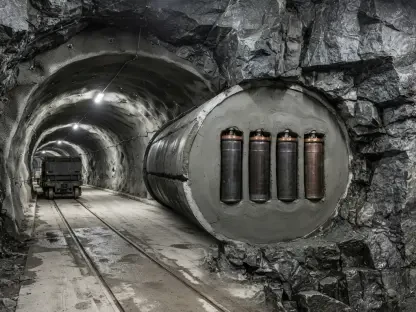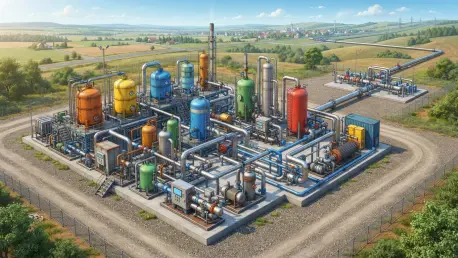

Mobile activated carbon units offer a scalable solution for facilities needing to increase purification capacity rapidly without the burden of long-term capital construction projects. As the global energy landscape matures in 2026, the reliance on decentralized, inefficient biogas combustion is fading in favor of high-value biomethane production. This shift represents a transition from simple energy recovery to a sophisticated manufacturing process where gas quality is paramount. To achieve the necessary scale between 2026 and 2028, operators are prioritizing modularity and rapid deployment. The current market demands more than just basic energy output; it requires a reliable, clean, and dispatchable fuel source that can integrate seamlessly with international pipelines. This fundamental restructuring of the industry highlights the critical role of purification technology in stabilizing the supply of renewable natural gas while meeting the aggressive climate targets established for the coming years.
The Transition: From Localized Power to National Gas Grids
Shifting from Localized Power to Gas-to-Grid Systems
The renewable gas sector has fundamentally evolved from its historical roots in small-scale electricity generation toward a more integrated national gas-to-grid strategy. Previously, biogas plants relied heavily on Combined Heat and Power systems to produce electricity on-site, but the focus has now turned toward upgrading raw biogas into renewable natural gas. This transition is driven by a combination of sophisticated market incentives and the technical feasibility of injecting high-purity biomethane directly into existing infrastructure. However, this evolution necessitates a dramatic increase in gas quality standards, as national grid operators enforce strict limits on trace contaminants. Unlike the requirements for basic combustion engines, the standards for pipeline injection leave no room for error, requiring the near-total removal of impurities that could compromise the integrity of the broader network. Consequently, the purification stage has transitioned from a secondary operational task to the most critical component of the entire energy production chain.
Economic Implications: High-Precision Purification
In the current economic climate, the financial performance of a biomethane facility is directly tied to the efficiency of its gas upgrading and purification systems. Modern upgrading technologies, particularly specialized membrane systems, are incredibly sensitive to trace contaminants that can lead to rapid degradation of expensive components. If a facility fails to maintain stringent gas quality, it faces the risk of immediate rejection by grid operators, which results in significant revenue loss and potential contractual penalties. Beyond the immediate loss of income, the long-term maintenance costs associated with fouled membranes or corroded pipework can devastate the return on investment for a project. Therefore, the implementation of robust purification protocols is viewed as a necessary form of insurance against mechanical failure and market exclusion. This economic reality has forced a paradigm shift where operators treat gas scrubbing not as a utility cost, but as a primary driver of commercial viability and long-term asset protection.
Addressing Chemical Complexity: Regulatory Compliance
Managing Feedstock Variability: The Challenge of Contaminants
Biogas is a biological product by nature, which introduces an inherent level of variability that complicates the purification process. The composition of the raw gas fluctuates significantly based on the organic feedstocks being processed, seasonal temperature changes, and the overall efficiency of the digestion process. Producers are constantly challenged by high concentrations of hydrogen sulfide, which is notorious for its corrosive properties, and siloxanes, which transform into abrasive silica deposits during high-temperature processing. These contaminants pose a dual threat to both the facility’s internal machinery and the external pipeline infrastructure. To manage these risks, operators must employ advanced scrubbing techniques that can adapt to the shifting chemical profile of the gas stream. Failure to address this variability can lead to catastrophic engine failure or expensive downtime, making real-time monitoring and adaptive filtration essential for maintaining consistent energy output in a high-demand market.
Navigating Strict Regulatory Frameworks: Best Available Techniques
The regulatory landscape for renewable gas producers has become increasingly demanding, with a clear move toward the implementation of Best Available Techniques for pollution prevention. Compliance is no longer a matter of simply meeting the minimum legal thresholds; it now requires a proactive and documented approach to environmental management. Regulators in 2026 place a heavy emphasis on the control of odorous emissions and the mitigation of volatile organic compounds, especially as residential developments expand into areas adjacent to industrial sites. Maintaining a strong social license to operate has become just as important as technical compliance, as community complaints can lead to legal challenges and operational restrictions. This has led to the adoption of more sophisticated gas treatment systems that provide empirical evidence of their efficiency. By integrating comprehensive monitoring and documented performance data, facilities can demonstrate their commitment to environmental stewardship and ensure they remain compliant.
Advanced Solutions: Operational Resilience
Deploying Data-Driven Filtration: A Lifecycle Approach
Activated carbon has firmly established itself as the industry standard for high-level biomethane purification due to its exceptional porosity and ability to adsorb a wide spectrum of pollutants. However, the modern approach to using this media has evolved from a simple replacement model to a complex lifecycle management strategy. This involves strategic media selection based on the specific chemical profile of the site and the use of data-driven modeling to predict saturation levels accurately. By identifying the exact “breakthrough” points where the carbon media can no longer capture contaminants, operators can schedule maintenance before impurities reach sensitive downstream equipment. This predictive maintenance model minimizes the risk of unscheduled downtime and ensures that the facility operates at peak efficiency. Building this level of operational resilience is vital for sites that must maintain continuous supply to the grid while managing the high-volume throughput typical of the current renewable energy market.
Implementing Circular Economy: Carbon Reactivation
Sustainability in the biomethane sector now extends beyond the production of green gas to include the entire environmental footprint of the purification process itself. A significant development in this area is the transition toward a circular economy through advanced carbon reactivation technologies, such as the CR3 process. Historically, spent activated carbon that was saturated with sulfur and other toxins was often treated as waste, but modern innovations allow this media to be recycled and reused multiple times. This process significantly reduces the reliance on virgin materials and lowers the overall carbon footprint of the facility, aligning the plant’s operations with broader environmental goals. By opting for reactivated carbon, operators can achieve high purification standards while demonstrating a commitment to resource efficiency and waste reduction. This holistic approach ensures that the renewable energy produced is as environmentally responsible in its creation as it is in its final use, bolstering the industry’s green credentials.
Strategic Planning: Future Operational Stability
The evolution of biomethane purification successfully transformed the industry into a reliable pillar of the global energy grid by the middle of the decade. Operators recognized that the integration of mobile filtration units and advanced reactivation technologies was the most effective way to balance technical requirements with environmental responsibilities. These strategies provided the necessary flexibility to adapt to changing feedstock supplies and increasingly stringent pipeline specifications. As the sector moved forward, the focus remained on refining these purification processes to ensure they supported the long-term stability of the renewable gas market. By treating gas quality as a strategic priority rather than a technical hurdle, the industry secured its place in a low-carbon economy while maintaining high levels of operational uptime. This period of development proved that the combination of data-driven management and sustainable technology was the only viable path for the continued expansion of the biomethane infrastructure through 2028 and beyond.