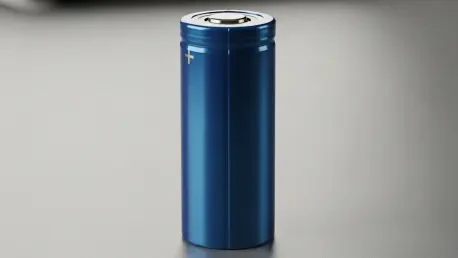

Maryland faces a silent but volatile challenge as millions of high-energy density cells enter its waste stream, transforming routine garbage collection into a high-stakes emergency management operation. While lithium-ion batteries power the modern lifestyle—from the smartphones in pockets to the electric vehicles parked in driveways—they have also introduced a volatile new hazard to the local waste infrastructure. In the current landscape, a discarded nicotine vape or a damaged laptop battery is no longer just trash; it is a potential incendiary device capable of leveling a recycling facility or sparking a fire in a collection truck that is nearly impossible to extinguish. As these devices proliferate, the state has recognized that the electrified future requires more than just innovation—it requires a robust safety infrastructure to protect citizens and assets.
The state’s response is not merely a reaction to occasional fires but a fundamental redesign of how hazardous energy is governed across the region. As traditional recycling centers struggle with an influx of “zombie batteries” that reignite long after they are discarded, the legislature has recognized that the transition to a greener economy cannot succeed without a specialized safety net. This effort seeks to bridge the gap between rapid technological adoption and the physical limitations of existing waste management systems.
The Spark of a Modern Crisis: Why Maryland Is Taking Action
The urgency behind Maryland’s safety initiatives stems from a critical disconnect between the rapid adoption of technology and stagnant waste management systems. For decades, the public has been conditioned to view small electronics as disposable, yet the chemistry inside these devices has become significantly more energetic and unstable when compromised. When a battery is crushed in the compactor of a waste truck or shredded by sorting machinery, it can enter a state of thermal runaway, releasing intense heat and toxic gases in seconds.
Maryland has observed that the “electrified future” is already here, but the safety protocols required to handle the aftermath of this transition have lagged behind. The sheer volume of lithium-ion units entering the waste stream has created a persistent threat that local municipalities were never equipped to manage. By elevating this issue to a statewide priority, officials are attempting to prevent a localized incident from cascading into a systemic failure of the recycling industry.
Beyond the Trash Bin: The Growing Stakes of Battery Management
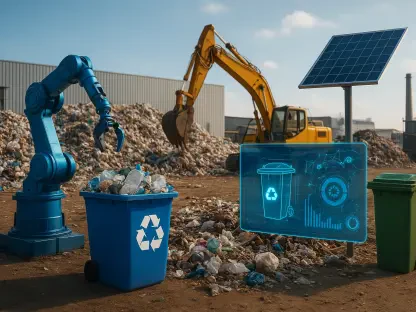
The threat to infrastructure is perhaps the most visible driver of the current policy shift. Traditional Material Recovery Facilities are not designed to handle high-energy batteries that can ignite under the mechanical pressure of sorting belts and rotors. These facilities, which process paper, plastic, and glass, become high-risk environments when a single lithium-ion cell is hidden within a bale of cardboard. A fire in such a facility does not just pause operations; it can destroy millions of dollars in equipment and jeopardize the entire regional recycling program.
Beyond the physical damage, an economic crisis is unfolding within the insurance market for waste management. Frequent battery-related fires have led to skyrocketing premiums, with some facilities becoming entirely uninsurable as providers flee the high-risk sector. This lack of coverage threatens the economic viability of recycling, potentially forcing municipalities to divert more waste to landfills, which creates even greater long-term environmental hazards. Furthermore, firefighters and first responders are facing thermal runaway events—intense, self-sustaining fires—that require specialized training and massive amounts of water, far beyond standard fire-suppression methods.
The Maryland Commission: A Strategic Expansion of Safety
In April 2024, Maryland transitioned from reactive research to a long-term strategic offensive by reestablishing and extending the Maryland Commission to Advance Lithium-Ion Battery Safety through 2027. This 20-member body unites fire marshals, waste management experts, utility representatives, and the insurance industry to address the battery life cycle holistically. The extension reflects a realization that the complexities of battery safety cannot be solved with a single legislative session or a temporary task force.
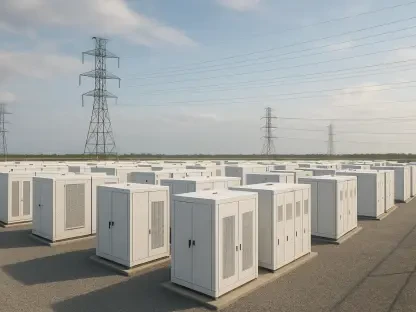
The commission is tasked with managing a diverse waste stream, ranging from the micro-batteries found in consumer electronics to massive energy storage units used for solar arrays and logistics at the Port of Baltimore. A primary focus of their current work involves modernizing regulations to streamline waste classifications. By moving batteries from ambiguous categories into clear legal frameworks, the state can dictate exactly how these items are stored, transported, and recycled, reducing the legal and physical risks for those handling them.
Expert Insights and the Path to Accountability
Current discussions within the commission are grounded in the reality that local municipalities lack the funding to handle hazardous battery waste independently. Experts and policymakers are pushing for Extended Producer Responsibility laws, which would require manufacturers to take financial or physical responsibility for their products’ end-of-life. This shift ensures that the cost of managing dangerous waste doesn’t fall solely on taxpayers but is integrated into the cost of doing business for the companies that profit from these technologies.
Furthermore, environmental agencies are highlighting the importance of the circular economy, focusing on the recovery of precious minerals like cobalt, lithium, and nickel. Turning a safety hazard into a sustainable resource not only mitigates fire risks but also supports the domestic supply chain for new batteries. Unlike many modern environmental issues, battery safety has gained broad bipartisan support in Maryland, as it is viewed as a practical necessity for protecting municipal assets and ensuring the safety of the workforce.
A Framework for a Safer Future: Actionable Strategies
Maryland developed a three-pronged strategy involving detection, collection, and disposal to mitigate risks across the state. Advanced detection systems, including thermal imaging and AI-driven sensors, were integrated into recycling centers to identify batteries before they enter high-friction processing zones. These technologies allowed operators to intercept hazards in real-time, significantly reducing the frequency of catastrophic facility fires.
Additionally, manufacturer-funded take-back programs created accessible drop-off points for consumers, ensuring that embedded batteries in laptops and cameras never entered the standard trash stream. Specialized logistics protocols were also established for the transportation of high-capacity batteries through state tunnels and rails, preventing transit fires in critical corridors. Finally, the state provided first responders with the specialized equipment and tactical knowledge required to manage large-scale failures in electric vehicles and energy storage systems, ensuring that Maryland was prepared for the complexities of an electrified era.